
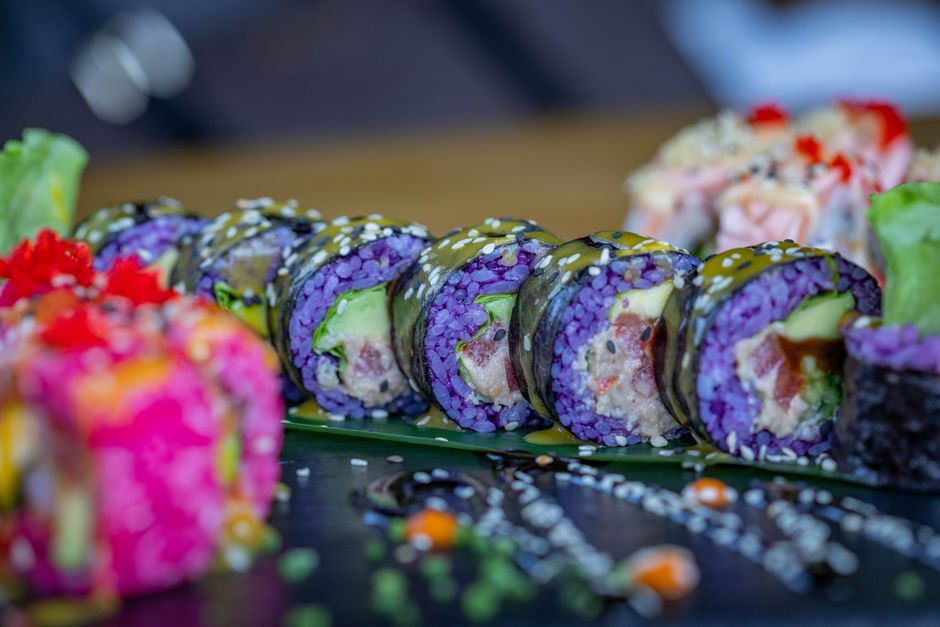
Purple rice is a whole grain that offers real nutritional benefits, including fiber, protein, and a group of antioxidants called anthocyanins that give it its deep color. It is a healthier choice than white rice because it keeps the bran and germ intact, which means more nutrients and a lower impact on blood sugar. While it is not a miracle food, the evidence clearly supports purple rice as a nutritious staple that fits well into a balanced diet.
What Makes Purple Rice Different From White Rice?
The main difference comes down to processing. White rice has the bran and germ removed, leaving mostly the starchy endosperm. Purple rice is a whole grain, so it keeps all three parts of the kernel intact. The bran layer is where most of the fiber, vitamins, and antioxidants live.
That dark purple color is not just for looks. It comes from anthocyanins, the same pigments found in blueberries and blackberries. These compounds act as antioxidants in the body, and research suggests they may help reduce inflammation and protect cells from damage. White rice contains virtually none of these compounds because the bran is stripped away.
There are several varieties of purple rice, sometimes called black rice or forbidden rice. They are all similar in their basic nutritional profile, though the exact amounts of nutrients can vary slightly depending on the variety and how it is grown.
Is Purple Rice Healthy Nutrition And Benefits: The Core Nutrients
Purple rice is genuinely nutrient-dense for a grain. A cooked cup provides a solid amount of complex carbohydrates, about 3 to 4 grams of protein, and roughly 2 to 3 grams of fiber. It also supplies important minerals like iron and magnesium, which many people do not get enough of.
The fiber content deserves attention. Most Americans fall short of the recommended daily fiber intake, and swapping white rice for purple rice is an easy way to close that gap. Fiber supports digestion, helps you feel full after meals, and feeds the beneficial bacteria in your gut.
Purple rice also contains more protein than white rice. The protein is not complete on its own, meaning it lacks some essential amino acids, but it still contributes to your daily needs. When you eat it alongside beans, lentils, or other plant proteins, you easily cover the gaps.
One important note: purple rice is not a low-carb food. It is primarily a carbohydrate source, and the calorie count is similar to other rice varieties. The benefit is not in fewer calories but in better nutritional quality per calorie.
How Purple Rice Affects Blood Sugar
Purple rice has a lower glycemic index than white rice. The glycemic index measures how quickly a food raises blood sugar. Whole grains like purple rice digest more slowly because the fiber and intact bran slow down the breakdown of starches.
This matters for people with diabetes or prediabetes, as well as anyone trying to keep their energy steady throughout the day. Some studies suggest that replacing white rice with whole grains like purple rice may help improve blood sugar control over time. The effect is modest, but it is real and consistent with what we know about whole grains generally.
The way you cook purple rice also affects its impact on blood sugar. Cooking it al dente, so it retains some chewiness, keeps the glycemic response lower than cooking it until very soft. Cooling cooked rice in the refrigerator overnight increases resistant starch, which further slows digestion and feeds gut bacteria.





Anthocyanins and Antioxidant Activity
The anthocyanins in purple rice are the most studied component. These are water-soluble pigments that give the rice its striking color. Research consistently shows that anthocyanins have antioxidant and anti-inflammatory properties in laboratory and human studies.
Antioxidants neutralize free radicals, which are unstable molecules that can damage cells and contribute to aging and chronic disease. The anthocyanin content in purple rice is significantly higher than in brown rice and dramatically higher than in white rice. Some research suggests the antioxidant capacity of black rice rivals that of blueberries, though direct comparisons are tricky because of differences in how the studies measure antioxidant activity.
There is a practical caveat. The anthocyanins are concentrated in the bran layer, and some are lost during cooking. Soaking and rinsing the rice can also remove some of the pigments. To preserve the antioxidants, cook purple rice with just enough water and avoid over-washing it before cooking.
Potential Health Benefits Beyond Basic Nutrition
Some research points to specific health benefits from regular consumption of pigmented rice. Animal studies have suggested that anthocyanins from black rice may help reduce inflammation, support heart health, and even protect against certain types of oxidative stress. Human research is more limited but generally supportive.
Heart health is one area where the evidence is reasonably promising. Whole grains are consistently linked to lower risk of cardiovascular disease. The anthocyanins in purple rice may add an extra layer of benefit by improving cholesterol profiles and reducing arterial inflammation, though more human trials are needed to confirm this specifically.
Gut health is another area of interest. The fiber in purple rice feeds beneficial gut bacteria, and some research suggests that anthocyanins themselves may influence the gut microbiome in positive ways. This is an emerging field, and the evidence is not yet strong enough to make specific claims about disease prevention.
It is important to be honest about the limits. No study has shown that purple rice prevents or cures any disease. The benefits are about supporting overall health through better nutrition, not about treating a specific condition.
How to Cook and Use Purple Rice
Purple rice takes longer to cook than white rice because the bran layer is intact. Plan for about 30 to 40 minutes of cooking time, or use a rice cooker with a brown rice setting. The ratio of water to rice is typically about 2 to 1, though you may need slightly more water for a softer texture.
Soaking the rice for 30 minutes to a few hours before cooking can reduce cooking time and improve texture. Some people find purple rice chewier than white rice, which is a texture adjustment. Others describe it as having a slightly nutty or earthy flavor that pairs well with roasted vegetables, fish, or bold sauces.
You can use purple rice anywhere you would use brown rice. It works as a side dish, in grain bowls, in stuffed peppers, or as a base for stir-fries. It also makes a striking addition to salads because the purple color holds well even after cooking.
One thing to know: purple rice stains. The anthocyanins are water-soluble and can leave purple marks on your hands, cutting boards, and pots. This is harmless, but you may want to rinse your rice cooker bowl promptly after cooking.
Are There Any Downsides or Risks?
Purple rice is safe for most people, but there are a few considerations. It contains more arsenic than white rice, though the levels are generally lower than in brown rice. Arsenic is a naturally occurring element found in soil and water, and rice absorbs more of it than most other grains. The risk is mainly relevant for people who eat rice daily in large amounts, and for infants and children.
If you eat a lot of rice, you can reduce arsenic exposure by rinsing the rice thoroughly before cooking and cooking it in excess water, then draining the excess water. This removes a meaningful portion of the arsenic. For most adults, moderate consumption of purple rice is not a health concern.
Purple rice is also higher in phytic acid than white rice. Phytic acid can bind to minerals like iron and zinc, slightly reducing their absorption. This is rarely a problem for people eating a varied diet, but it is worth knowing if you rely heavily on plant-based iron sources. Soaking the rice before cooking helps reduce phytate content.
How Does Purple Rice Compare to Brown Rice?
Brown rice and purple rice are both whole grains, so they share many of the same benefits: fiber, minerals, and slower digestion. The main difference is the anthocyanin content, which purple rice has and brown rice does not. Brown rice gets its color from a different group of compounds called phenolic acids, which are also beneficial but have different antioxidant properties.
In terms of calories, carbohydrates, and protein, brown rice and purple rice are quite similar. Both are better choices than white rice. If you are choosing between them, the decision comes down to personal preference and availability. Purple rice offers the added advantage of anthocyanins, but brown rice is more widely available and often less expensive.
Some research suggests that pigmented rice varieties may have higher total antioxidant capacity than non-pigmented brown rice. This makes purple rice a reasonable choice if you want to maximize the antioxidant content of your grain intake, but the practical difference for most people is modest.
Frequently Asked Questions
Is purple rice healthier than white rice?
Yes, purple rice is healthier than white rice because it is a whole grain with more fiber, protein, and antioxidants. White rice loses most of its nutrients during processing.
Does purple rice help with weight loss?
Purple rice can support weight management because its fiber content helps you feel full longer. It is not a weight loss food on its own, but it can replace refined grains in a calorie-controlled diet.
Can people with diabetes eat purple rice?
Yes, people with diabetes can eat purple rice in moderate portions because it has a lower glycemic index than white rice. Portion control still matters, and pairing it with protein and vegetables helps keep blood sugar stable.
How long does purple rice take to cook?
Purple rice takes about 30 to 40 minutes to cook on the stovetop, or use a rice cooker with a brown rice setting. Soaking it for 30 minutes beforehand reduces the cooking time.
