

Foods rich in soluble fiber, plant sterols, and unsaturated fats have the strongest evidence for lowering LDL cholesterol. Oats, barley, beans, lentils, nuts, and fatty fish are among the most studied. The effect is real but modest for any single food — the pattern of eating matters more than any one item.
Cholesterol is not just something you eat. Most of the cholesterol in your blood is made by your liver. Diet influences how much your liver produces and how efficiently your body clears LDL particles from circulation. That is why food choices can shift your numbers, and why they cannot do it alone if genetics are strongly against you.
How Does Food Actually Lower Cholesterol?
Two mechanisms do most of the work. The first is binding cholesterol and bile acids in the gut so they leave the body instead of being reabsorbed. Soluble fiber does this. The second is blocking cholesterol absorption at the intestinal wall. Plant sterols and stanols do this. A third mechanism — replacing saturated fat with unsaturated fat — changes how the liver handles LDL production and clearance.
When you eat soluble fiber, it forms a gel-like substance in your digestive tract. That gel traps bile acids, which are made from cholesterol. Your body then pulls cholesterol from the bloodstream to make more bile acids. The net result is a small but measurable drop in LDL.
Plant sterols work differently. They look enough like cholesterol that your intestines absorb them instead, leaving less room for actual cholesterol to get into your blood. This is why foods fortified with plant sterols carry authorized health claims in the US and Europe.
Saturated and trans fats matter too. Diets high in saturated fat tend to raise LDL. Replacing some of that saturated fat with polyunsaturated or monounsaturated fat tends to lower it. This is one of the more consistent findings in nutrition science.
What Foods Are Good For Lowering Cholesterol?
Oats and barley top most lists because they contain beta-glucan, a soluble fiber with a well-documented LDL-lowering effect. A bowl of oatmeal or a serving of barley in soup or salad is a practical starting point.
Beans, lentils, and chickpeas are next. They deliver soluble fiber plus plant protein, and they replace meat in meals — which means less saturated fat on the plate. The effect is doubled when they take the place of a burger or sausage.
Nuts, especially almonds and walnuts, have consistent evidence for modest LDL reduction when they replace less healthy snacks. They are calorie-dense, so portion size matters.
Fatty fish like salmon, mackerel, and sardines are rich in omega-3 fats. Omega-3s lower triglycerides more reliably than they lower LDL. In some people they can slightly raise LDL. That does not make fish a bad choice — it makes it a nuanced one.
Other foods with reasonable evidence include:
- Apples, pears, and citrus fruit (pectin, a soluble fiber)
- Eggplant and okra (soluble fiber and plant compounds)
- Soy foods like tofu and edamame (plant protein and isoflavones)
- Extra virgin olive oil (monounsaturated fat, replacing butter or lard)
- Avocado (monounsaturated fat and fiber)
- Vegetables and whole grains in general (fiber, low saturated fat)
No single food on this list will drop your LDL dramatically on its own. The pattern is what counts.
How Much Can Diet Lower Cholesterol?
For most people, dietary changes lower LDL by roughly 10 to 20 percent when followed consistently. That is meaningful but not unlimited. Someone with a genetic condition like familial hypercholesterolemia will not fix it with oatmeal. Someone with mildly elevated LDL from a typical Western diet may see substantial improvement.
Plant sterols and stanols, when consumed at levels shown in research (around 2 grams per day), lower LDL by roughly 8 to 10 percent. That is on top of what fiber and fat changes do. The catch is that you need fortified foods or supplements to hit that dose — it is hard to get from whole foods alone.
Soluble fiber at about 5 to 10 grams per day above your usual intake is associated with modest LDL reductions. A cup of cooked oatmeal gives you about 2 grams. A cup of cooked beans gives you 2 to 3 grams. It adds up over a day.
These numbers come from controlled feeding studies and meta-analyses. They describe average effects in groups. Your individual response may differ — sometimes considerably.


What About the Portfolio Diet and Mediterranean Pattern?
The Portfolio Diet combines several cholesterol-lowering foods at once: nuts, soy protein, viscous fibers, and plant sterols. In controlled studies it has produced LDL reductions comparable to early-generation statins in some participants. That is a striking finding, but it came from tightly controlled feeding conditions with high adherence. Real-world results are usually smaller.
The Mediterranean pattern — olive oil, fish, vegetables, whole grains, legumes, nuts, moderate dairy, limited red meat — has strong evidence for cardiovascular benefit. Its effect on LDL specifically is more modest than its effect on overall heart risk. That is an important distinction. Lowering LDL is one goal. Reducing heart attacks and strokes is the bigger one.
A vegetarian or vegan pattern tends to lower LDL more than a Mediterranean pattern, largely because it eliminates most saturated animal fat. Whether that translates to better long-term outcomes depends on what replaces the meat. Replacing it with refined carbohydrates is not the same as replacing it with beans and vegetables.
Do Eggs and Shellfish Raise Cholesterol?
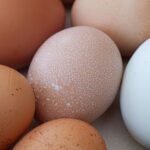
For most people, dietary cholesterol has a smaller effect on blood cholesterol than saturated fat does. Eggs raise LDL in some people and barely move it in others. The difference appears to be genetic, related to how efficiently each person absorbs and clears dietary cholesterol.
Shellfish like shrimp are low in saturated fat and contain some beneficial nutrients. They are higher in dietary cholesterol than many meats, but the evidence does not support avoiding them for cholesterol reasons in most people. Current dietary guidance in the US no longer sets a strict daily limit on dietary cholesterol, focusing instead on overall dietary pattern.
This does not mean eggs and shrimp are unlimited. It means the saturated fat in your diet is usually the bigger lever.
What Foods Should You Limit?
Saturated fat is the main dietary driver of elevated LDL for most people. Major sources include fatty cuts of red meat, processed meats, butter, full-fat dairy in large amounts, and tropical oils like coconut oil and palm oil.
Trans fats — largely removed from the US food supply but still present in some products — raise LDL and lower HDL. They are the worst of both worlds. Check labels for “partially hydrogenated oil.”
Refined carbohydrates and added sugars do not raise LDL directly, but they tend to lower HDL and raise triglycerides. They also crowd out the fiber-rich foods that do help.
You do not have to eliminate any of these. Reducing them and replacing them with the foods above is the practical approach.
Do Supplements Work for Cholesterol?
Red yeast rice contains a compound chemically identical to lovastatin, a prescription statin. It can lower LDL, but the amount of active compound varies widely between products, and it carries the same potential side effects as statin drugs. The FDA has warned consumers about certain red yeast rice products.
Omega-3 supplements lower triglycerides but have inconsistent effects on LDL, and some formulations may raise it slightly. Niacin lowers LDL and raises HDL but has not improved cardiovascular outcomes in large trials when added to statin therapy, and it has significant side effects.
Garlic, cinnamon, and most other popular supplements have weak or inconsistent evidence for LDL lowering. Some small studies suggest modest effects; larger and better-controlled studies often show none.
If you are considering a supplement, talk to your doctor. Supplements are not regulated the same way medications are, and interactions are possible.
When Diet Alone Is Not Enough
Lifestyle changes are the foundation, but they are not always sufficient. If your LDL remains high after sustained dietary changes, or if you have a genetic condition, or if you have other cardiovascular risk factors, medication may be appropriate. Statins remain the most studied and most effective class of drugs for lowering LDL and reducing cardiovascular events.
Combining diet with medication is not a failure of willpower. It is how the biology works for many people. Diet can lower LDL by 10 to 20 percent. Statins can lower it by 30 to 50 percent or more, depending on the drug and dose. For someone at high risk, that difference matters.
The best approach is usually both: eat well, and take medication if your doctor recommends it. Neither replaces the other.
Frequently Asked Questions
What is the single best food for lowering cholesterol?
Oats are among the most studied, thanks to their beta-glucan content, which has consistent evidence for modest LDL reduction. But no single food does enough on its own — the overall pattern of eating matters more.
How long does it take for diet to lower cholesterol?
Most studies show measurable changes within 4 to 6 weeks of consistent dietary change, with effects stabilizing over a few months. Individual responses vary based on genetics, starting numbers, and how closely the diet is followed.
Can I lower my cholesterol without medication?
Many people can lower LDL by 10 to 20 percent through diet alone, which may be enough if your starting numbers are only mildly elevated. If you have a genetic condition or high cardiovascular risk, diet alone is often not sufficient and medication may be needed.
Are eggs bad for cholesterol?
For most people, eggs have a smaller effect on blood cholesterol than saturated fat does. Some people are more sensitive to dietary cholesterol than others, and that difference appears to be largely genetic.
