
Itchy ears can be a frustrating and confusing symptom, especially when it appears alongside other body changes. For many women in their 40s and 50s, the question is natural: could this be related to menopause? The short answer is yes. Itchy ears can be a sign of menopause, though it is not one of the most commonly discussed symptoms. The connection comes down to hormones, skin changes, and how the body regulates moisture and temperature as estrogen levels decline.
Why Does Menopause Cause Itchy Ears?
The drop in estrogen during perimenopause and menopause affects the entire body, including the skin. Estrogen helps skin retain water and produce natural oils. When estrogen levels fall, the skin becomes thinner, drier, and more sensitive. The ears are not exempt from this process.
The skin inside the ear canal is delicate. It has few oil glands compared to other parts of the body. When overall skin moisture declines, the ear canal can become dry and flaky. This dryness triggers itching. Some women also notice itching on the outer ear, behind the ears, or in the ear canal itself.
Menopause also affects how the body regulates temperature. Hot flashes and night sweats can cause sweating that dries out the skin. This can worsen itching in the ears and elsewhere. The combination of hormonal changes and skin dryness explains why itchy ears can appear during this life stage.
How Common Is Itchy Ears During Menopause?
Itchy ears are not listed among the most frequently reported menopause symptoms, which typically include hot flashes, night sweats, sleep problems, and mood changes. However, dry skin is a well-documented menopause symptom, and the ears are part of the skin.
Some research suggests that up to half of women experience skin changes during menopause. These changes include dryness, thinning, and increased sensitivity. Itchy ears may be one manifestation of this broader skin dryness. The symptom is likely underreported because many women do not connect ear itching to menopause and instead assume it is caused by allergies, earwax, or an infection.
If you are experiencing itchy ears along with other menopause symptoms like irregular periods, hot flashes, or vaginal dryness, the connection becomes more clear. The timing of the symptom matters. If ear itching begins around the same time as other perimenopausal changes, hormonal shifts are a plausible cause.
Other Common Causes of Itchy Ears
Menopause is not the only reason your ears might itch. Several other conditions can cause the same symptom. It is important to consider these before assuming menopause is the cause.
Eczema and psoriasis can affect the ear canal and the outer ear. These skin conditions cause inflammation, flaking, and intense itching. They can flare up at any age, though hormonal changes may influence their severity.
Allergic reactions to earrings, hair products, headphones, or hearing aids can cause contact dermatitis. This produces redness, swelling, and itching. Nickel is a common trigger in inexpensive jewelry.
Earwax buildup or the opposite — too little earwax — can both cause itching. Earwax protects and lubricates the ear canal. When it is removed too aggressively with cotton swabs, the skin becomes dry and itchy. When it builds up, it can also cause irritation.
Fungal or bacterial infections in the ear canal, sometimes called swimmer’s ear, cause itching along with pain, discharge, or a feeling of fullness. These infections require medical treatment.
Dry air from indoor heating or air conditioning can dry out the ear canal, especially in winter. This is not related to hormones but can compound the problem during menopause.





What Can You Do About Itchy Ears?
If your itchy ears are related to menopause-related dryness, the goal is to restore moisture and avoid further irritation. Simple measures can often provide relief.
Avoid cotton swabs. Inserting anything into the ear canal removes protective oils and earwax, making dryness worse. It also risks pushing earwax deeper or injuring the delicate skin. Let your ears clean themselves naturally.
Use moisturizing drops. Over-the-counter ear drops designed for dry ears can help. Look for products that contain mineral oil, olive oil, or glycerin. These soften and moisturize the ear canal. Do not use them if you suspect an infection or a perforated eardrum.
Apply moisturizer to the outer ear. A fragrance-free moisturizer or a small amount of coconut oil can be applied to the outer ear and behind the ears. Avoid putting creams inside the ear canal unless they are specifically designed for that purpose.
Manage other menopause symptoms. Staying hydrated, using a humidifier in dry rooms, and following your usual skincare routine can help overall skin health. If hot flashes and night sweats are contributing to dryness, addressing those symptoms may also help.
Check your products. Shampoo, conditioner, hair spray, and earrings can irritate the ears. Try switching to fragrance-free or hypoallergenic versions to see if itching improves.
When to See a Doctor About Itchy Ears
Most cases of itchy ears are not serious and can be managed at home. However, certain signs warrant medical attention.
See a doctor if you experience:
- Pain in the ear
- Discharge or fluid coming from the ear
- Redness or swelling of the ear or ear canal
- Hearing loss or a feeling of fullness that does not go away
- Itching that persists for more than a week despite home care
- Fever or dizziness
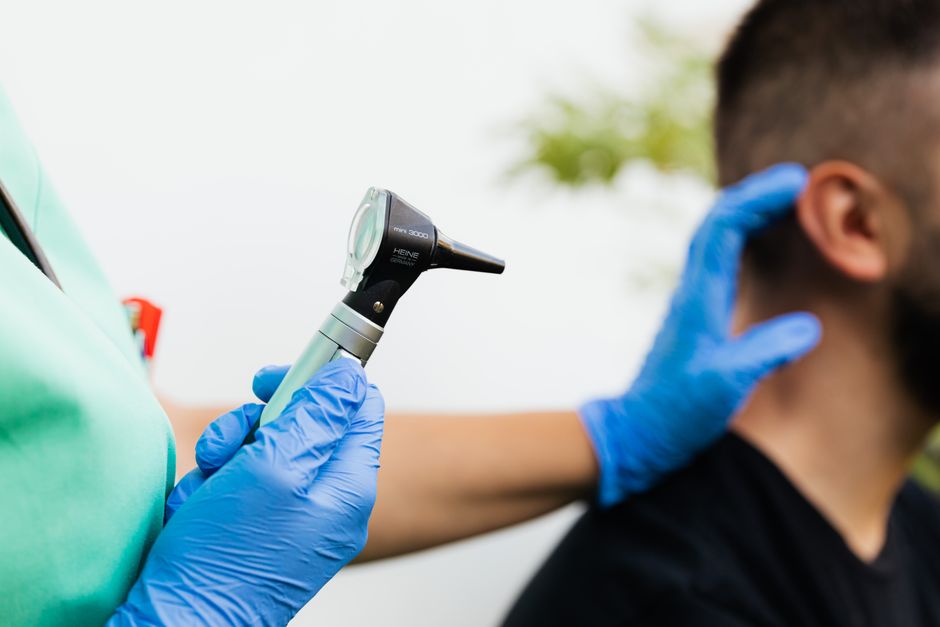
These symptoms may indicate an infection or another condition that needs treatment. A doctor can examine your ear with an otoscope and determine the cause. They can also rule out more serious conditions and prescribe appropriate treatment if needed.
If your doctor confirms that menopause-related dryness is the cause, they may recommend specific moisturizing products or discuss whether hormone therapy is appropriate for your broader menopause symptoms. Hormone therapy is not prescribed specifically for itchy ears, but it can improve skin dryness as part of its overall effects.
Is Itchy Ears a Sign of Menopause or Something Else?
Itchy ears can be a sign of menopause, but they are not a reliable standalone indicator. Menopause is diagnosed based on a pattern of symptoms and changes in menstrual cycles, not on any single symptom. If you are in your late 40s or 50s and experiencing itchy ears along with other menopause symptoms, the connection is plausible.
However, the same symptom can be caused by allergies, infections, skin conditions, or simple dryness. The overlap makes self-diagnosis difficult. Tracking your symptoms over time and noting when they occur can help you and your doctor identify the cause.
If the itching is your only symptom and you have no other signs of menopause, it is less likely that hormones are the primary cause. In that case, exploring other explanations is the more reasonable first step.
Frequently Asked Questions
Can menopause cause itchy ears?
Yes, menopause can cause itchy ears due to declining estrogen levels, which lead to drier and thinner skin throughout the body, including the ear canal. The itching is typically part of broader skin dryness rather than an isolated symptom.
How long does menopausal itchy ears last?
Itchy ears can last as long as the underlying skin dryness persists, which may be throughout the perimenopausal and postmenopausal years. The symptom may come and go depending on humidity, hydration, and other factors.
What is the best treatment for itchy ears during menopause?
Moisturizing the ear canal with over-the-counter drops containing mineral oil or olive oil is the most direct treatment, along with avoiding cotton swabs. Applying fragrance-free moisturizer to the outer ear and staying hydrated can also help.
Should I worry about itchy ears?
Itchy ears alone are rarely a cause for concern, but you should see a doctor if you also have pain, discharge, hearing loss, or itching that lasts more than a week despite home care. These symptoms may indicate an infection or another condition requiring treatment.
