
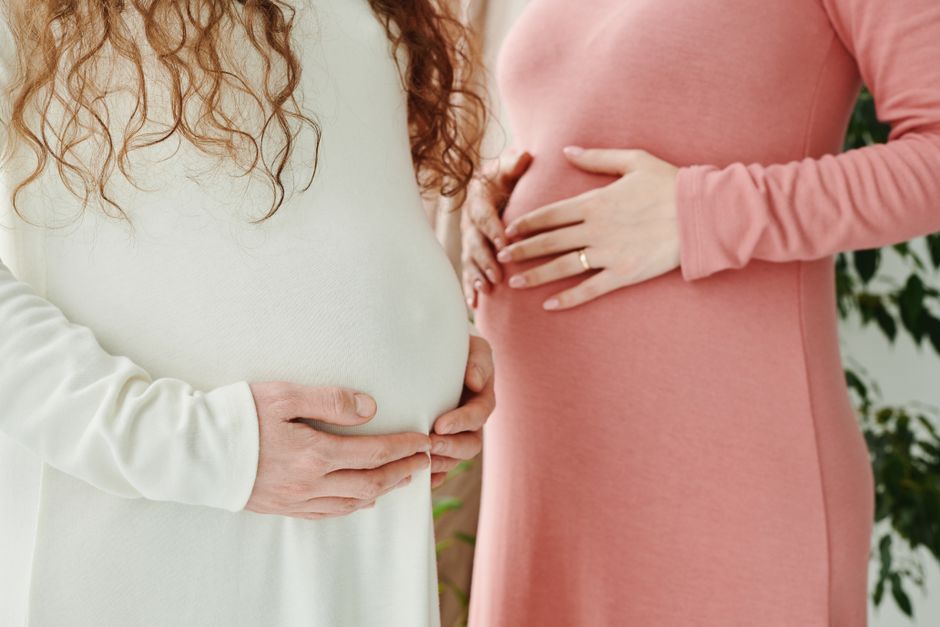
Menopause is often described as the end of a woman’s reproductive years. But the question of whether pregnancy is possible after this stage is more complex than a simple yes or no. The short answer is that natural pregnancy after menopause is not possible, but pregnancy through medical assistance can occur under specific conditions. Here is what is actually true about conceiving after menopause, what the risks are, and why the distinction between natural and assisted pregnancy matters.
What Does Menopause Actually Mean for Fertility?
Menopause is officially diagnosed after a woman has gone 12 consecutive months without a menstrual period. At that point, the ovaries have essentially stopped releasing eggs. The hormonal shifts — particularly the sharp decline in estrogen and progesterone — signal the end of the natural reproductive window.
This is not a gradual slowdown that still allows for occasional conception. The depletion of ovarian follicles is complete or nearly complete. Without a viable egg, fertilization cannot occur. This is why natural pregnancy after menopause is not possible. There is no biological pathway for it to happen.
The average age of menopause in the United States is 51. But the transition to menopause, called perimenopause, can begin years earlier. During perimenopause, periods become irregular and fertility declines, but pregnancy is still possible until menopause is confirmed. Many women are surprised to learn that conception can occur during perimenopause even when periods are erratic.
Can a Women Become Pregnant After Menopause Through IVF?
Yes, pregnancy after menopause is possible through in vitro fertilization (IVF) using donor eggs or embryos that were frozen earlier. The uterus does not age at the same rate as the ovaries. A postmenopausal uterus can still support a pregnancy when given the right hormonal preparation.
The process involves hormone replacement therapy to prepare the uterine lining. Once the lining is ready, a donor embryo or a previously frozen embryo is transferred. This is not a natural conception. It requires medical intervention and careful monitoring throughout the pregnancy.
This approach has been used successfully in women in their 50s and even older. Some of the oldest documented cases of pregnancy have involved women in their late 50s and 60s using donor eggs. But these cases are rare and carry significant medical considerations that go far beyond the simple ability to become pregnant.
What Are the Real Risks of Pregnancy After Menopause?
Pregnancy after menopause carries higher risks compared to pregnancy at younger ages. These risks apply to both the mother and the baby, and they are not minor considerations.
For the mother, the most serious risks include:
- Preeclampsia, a dangerous condition of high blood pressure during pregnancy
- Gestational diabetes
- Higher rates of cesarean delivery
- Increased risk of cardiovascular complications
- Higher risk of miscarriage
The risk of chromosomal abnormalities in the baby also increases with maternal age. However, when donor eggs from a younger woman are used, the risk of chromosomal abnormalities reflects the age of the egg donor, not the age of the woman carrying the pregnancy. This is an important distinction that many people do not realize.
The medical team managing a postmenopausal pregnancy must be experienced with high-risk obstetrics. This is not a routine pregnancy. It requires intensive monitoring from early in the first trimester through delivery and the postpartum period.





What Is the Upper Age Limit for IVF After Menopause?
There is no single universal age limit for IVF after menopause. The decision is made on a case-by-case basis by fertility clinics and the medical teams involved. Many clinics have their own age cutoffs, often around 50 to 55 years old.
But age alone is not the only factor. The overall health of the woman is equally important. A thorough medical evaluation assesses heart health, blood pressure, kidney function, and the ability to carry a pregnancy safely. Some women in their early 50s are in excellent health. Others have conditions that make pregnancy too dangerous regardless of age.
Several professional medical organizations have issued guidance on this topic. The guidance generally emphasizes that fertility treatment in women over a certain age should only proceed after comprehensive medical evaluation and counseling about the risks. Some organizations suggest that treatment in women over 50 should be considered only in exceptional circumstances.
It is also worth noting that the success rates of IVF with donor eggs are relatively high compared to IVF with a woman’s own eggs at an older age. The live birth rate per transfer is largely determined by the age of the egg donor. However, the risks of pregnancy complications remain tied to the age of the woman carrying the pregnancy.
What About Natural Menopause Versus Early Menopause?
Early menopause, sometimes called premature ovarian insufficiency, occurs before age 40. Women who experience this may still have intermittent ovarian function. In rare cases, ovulation can resume temporarily, and natural pregnancy has been documented in women with this condition.
This is different from natural menopause at the typical age. Premature ovarian insufficiency does not always mean the ovaries are completely inactive. Some women with this diagnosis have conceived without medical assistance, although this is uncommon and difficult to predict.
For women who experience early menopause and wish to conceive, the options are similar to those for women who go through menopause later. Donor eggs, donor embryos, or previously frozen eggs are the main pathways. The same medical evaluation and risk assessment apply.
It is also important to understand that perimenopause is not menopause. A woman who is still having periods, even irregular ones, can still conceive naturally. The common advice to use contraception until menopause is confirmed exists for this exact reason. Unplanned pregnancy during perimenopause is not rare.
Are There Non-Medical Options for Building a Family After Menopause?
For women who cannot or choose not to pursue IVF after menopause, other family-building options exist. Adoption and foster care are paths that do not involve pregnancy. Surrogacy is another option, where another woman carries the pregnancy using the intended mother’s embryo or a donor embryo.
These options are not medical treatments for infertility. They are alternatives that allow women to become parents without undergoing the physical demands and risks of pregnancy at an advanced age. Each path has its own legal, emotional, and financial considerations.
Counseling is strongly recommended for any woman considering pregnancy after menopause. The decision involves not just medical risks but also long-term considerations about parenting at an older age. Many women in their 50s are healthy and active, but the physical demands of pregnancy and early parenting are real factors to weigh.
What Does the Evidence Actually Show?
The medical literature on pregnancy after menopause is limited. Most of what is known comes from case reports and small studies, not large clinical trials. This is because the number of women who pursue this path is small.
Some research has documented successful pregnancies in women over 50 using donor eggs. The outcomes for the babies are generally good when the pregnancy is carefully managed. But the rate of maternal complications is consistently higher than in younger women.
One finding that is consistent across studies is the increased rate of cesarean section in older mothers. This is often related to other complications that arise during labor, not necessarily a planned decision. The overall message from the available evidence is that pregnancy after menopause is possible but carries real and measurable risks.
No large human trials have compared different approaches to managing postmenopausal pregnancy. Clinical practice is guided by experience and extrapolation from high-risk pregnancy care in general. This is worth keeping in mind when evaluating the information available.
Frequently Asked Questions
Can a woman get pregnant naturally after menopause?
No, natural pregnancy after menopause is not possible because the ovaries have stopped releasing eggs. This is true once menopause is confirmed by 12 months without a period.
Can IVF work after menopause?
Yes, IVF with donor eggs or frozen embryos can work after menopause. The uterus can support a pregnancy with hormonal preparation, but the risks are higher than in younger women.
What is the oldest age a woman has given birth?
Documented cases exist of women giving birth in their late 50s and 60s using donor eggs. These cases are rare and always involve assisted reproductive technology.
Is pregnancy after menopause safe?
Pregnancy after menopause carries higher risks of complications like preeclampsia, gestational diabetes, and cesarean delivery. A thorough medical evaluation is required before proceeding.
