
Menopause is officially diagnosed after you have gone 12 full months without a menstrual period. That is the single defining fact. But the transition leading up to it, called perimenopause, can last years and often feels like the real challenge. The symptoms are real, the timeline is variable, and knowing what is happening in your body matters for making informed decisions.
What Is the Difference Between Perimenopause and Menopause?
Perimenopause is the transition phase. It begins when your hormone levels start to shift and your cycles become irregular. It can start in your mid-40s, though some women notice changes earlier. This phase lasts anywhere from a few months to over a decade, with the average being around four years.
Menopause itself is a single point in time. It is the date of your final menstrual period, confirmed only after 12 consecutive months without one. Anything before that point is perimenopause, even if your periods have become very irregular or stopped for several months at a time.
Postmenopause is the term for the years after that 12-month mark. Hormone levels remain low, and some symptoms like hot flashes may continue for years after your final period.
What Are the Most Common Signs That You Are in Perimenopause?
The most reliable signal is a change in your menstrual cycle. Periods may become shorter, longer, heavier, lighter, or unpredictable. A change of seven days or more in your usual cycle length is often one of the earliest signs. If your cycles were consistently 28 days and are now coming every 21 or every 35 days, that is a meaningful shift.
Hot flashes and night sweats are the hallmark symptoms. These are sudden feelings of intense heat, often with flushing, sweating, and sometimes a rapid heartbeat. They can happen during the day or wake you at night. Not every woman experiences them, but they are common enough that researchers consider them a core symptom of the transition.
Sleep problems are also frequent, even without night sweats. Difficulty falling asleep, waking in the middle of the night, and feeling unrested in the morning are commonly reported. Some research suggests this is linked to changing estrogen and progesterone levels, not just the disruption of night sweats.
Mood changes, including irritability and low mood, are reported by many women during perimenopause. The evidence is strong that the transition is a window of increased risk for depressive symptoms, even in women with no history of depression. This is a physiological shift, not a character flaw or a sign that you are “just stressed.”
How Do You Know It’s Menopause and Not Something Else?
This is the question that matters most. Many of the symptoms of perimenopause overlap with other conditions. Irregular bleeding can be caused by thyroid problems, fibroids, polyps, or in rare cases, more serious conditions. Fatigue and mood changes can come from anemia, thyroid dysfunction, or sleep apnea. Hot flashes can occasionally be triggered by medications or other medical issues.
The clinical approach is to rule out other causes before attributing symptoms to menopause. A blood test for thyroid function is common. A complete blood count can check for anemia, which is especially relevant if your periods have become heavy. If your bleeding pattern is very unusual, your clinician may recommend an ultrasound to look at your uterine lining.
Hormone testing is more complicated than people assume. Follicle-stimulating hormone (FSH) levels rise as you approach menopause, but they fluctuate significantly during perimenopause. A single FSH test is not a reliable way to confirm menopause in a woman who is still having periods. It is most useful in women over 45 who have gone several months without a period and want confirmation that they are close to menopause. For most women in their 40s with irregular cycles and typical symptoms, a lab test adds little to the diagnosis.
If you are under 45 and experiencing these symptoms, the diagnostic picture is different. Premature menopause, defined as menopause before age 40, and early menopause, between ages 40 and 45, require a different evaluation. In these cases, symptoms plus elevated FSH levels on two separate tests, taken at least a month apart, are part of the standard diagnostic process.





What Symptoms Are Commonly Overlooked?
Vaginal dryness and discomfort are underreported. These symptoms come from declining estrogen levels affecting the tissues of the vagina and urinary tract. They can cause pain with intercourse, urinary urgency, and recurrent urinary tract infections. Many women do not connect these issues to menopause, but they are directly linked to the hormonal changes of the transition.
Cognitive changes, often described as “brain fog,” are frequently mentioned in research studies. Difficulty concentrating, trouble finding words, and short-term memory lapses are reported during perimenopause. The evidence is not fully settled on exactly how long these changes last or whether they fully reverse, but the symptom itself is consistently reported and should not be dismissed.
Joint and muscle aches are another symptom that appears in the research. Some large studies have found that women transitioning through menopause report more musculoskeletal pain than premenopausal women of the same age. It is not clear whether this is directly caused by estrogen decline or by other factors like sleep disruption and reduced physical activity.
Changes in body composition are real. Many women notice increased abdominal fat and changes in how their body responds to exercise during this time. Research suggests estrogen decline affects fat distribution, but lifestyle factors like stress, sleep, and activity level also play a significant role.
How Long Do Symptoms Last?
The duration varies considerably from woman to woman. Hot flashes and night sweats typically last anywhere from one to five years after the final period, but some women experience them for a decade or more. A small percentage of women continue to have them well into their 70s.
Irregular bleeding during perimenopause can last for several years. The pattern is unpredictable. Some women have months of normal cycles followed by a skipped period, then normal cycles again. The key clinical point is that any bleeding after 12 months without a period is not normal and should be evaluated by a clinician.
Vaginal symptoms tend to be progressive. Unlike hot flashes, which may improve over time, vaginal dryness and urinary symptoms often worsen with age if untreated. These symptoms respond well to treatment, and there is no reason to simply endure them.
What Does the Research Say About Treatment Options?
Hormone therapy is the most effective treatment for moderate to severe hot flashes and night sweats. It involves estrogen, often combined with progesterone if you still have a uterus. The evidence for its effectiveness in reducing vasomotor symptoms is strong and consistent across multiple studies.
The decision to use hormone therapy is individual. It is not appropriate for every woman. A history of breast cancer, certain types of heart disease, or blood clots may rule it out. The current clinical direction is that the benefits often outweigh the risks for healthy women who start treatment around the time of menopause, but this is a decision to make with a clinician who knows your full medical history.
Non-hormonal options exist. Certain medications originally developed for other conditions, including some antidepressants and blood pressure medications, have been shown to reduce hot flashes. The effect is generally more modest than hormone therapy, but these are reasonable options for women who cannot or prefer not to use hormones.
Cognitive behavioral therapy has research support for managing the impact of hot flashes on sleep and quality of life. Some studies suggest it helps women cope with the discomfort even if it does not reduce the frequency of the flashes themselves.
For vaginal symptoms, low-dose vaginal estrogen is highly effective and is considered safe for most women. It comes as a cream, tablet, or ring and works locally, with minimal absorption into the bloodstream. Over-the-counter vaginal moisturizers and lubricants also help and are a reasonable first step.
What About Lifestyle Changes?
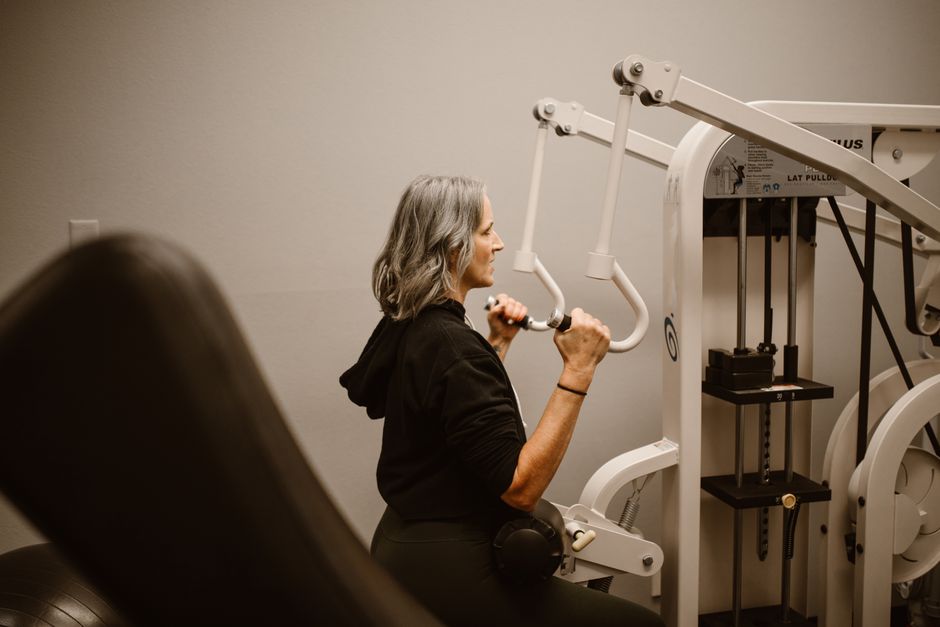
Regular physical activity has consistent research support for improving sleep, mood, and overall quality of life during the transition. The evidence that exercise reduces hot flashes themselves is mixed, but the benefits for cardiovascular health, bone density, and mental health are well established.
Weight-bearing exercise matters for bone health. The decline in estrogen accelerates bone loss, and the years around menopause are a critical window for maintaining bone density. Current guidelines generally recommend regular weight-bearing and resistance exercise, adequate calcium and vitamin D intake, and bone density screening when appropriate.
Dietary changes have limited evidence for directly reducing hot flashes. Some women report that alcohol, caffeine, and spicy foods trigger their flashes, and avoiding personal triggers is reasonable. Phytoestrogen supplements, such as soy isoflavones, have been studied with mixed results. Some trials show modest benefit, others show none. The evidence is not strong enough to recommend them as a reliable treatment.
When Should You See a Clinician?
Any change in your periods that concerns you warrants a discussion with a clinician. Bleeding that is very heavy, lasts much longer than usual, or occurs after you have gone a full year without a period requires evaluation. These are not symptoms to wait out.
Symptoms that are disrupting your sleep, your work, or your relationships deserve attention. Hot flashes that wake you multiple times a night, mood changes that feel unmanageable, or sexual discomfort that affects your relationship are all legitimate reasons to seek help. Effective treatments exist, and there is no benefit to suffering in silence.
If you are under 45 and suspect you are in perimenopause, bring that concern up specifically. The evaluation is different, and the implications for fertility and long-term health are significant enough that early identification matters.
Frequently Asked Questions
How long do you have to miss your period to know it’s menopause?
You need to go 12 full months without a menstrual period to be officially diagnosed with menopause. Any shorter gap, even 11 months, is still considered perimenopause.
Can a blood test tell if you are in menopause?
A blood test measuring FSH can help confirm menopause in women over 45 who have not had a period for several months. In younger women with irregular cycles, a single FSH test is not reliable because hormone levels fluctuate widely.
What is the average age for menopause?
The average age for natural menopause in the United States is 51. Menopause before age 40 is considered premature, and menopause between 40 and 45 is considered early.
Can you get pregnant during perimenopause?
Yes. As long as you are still having periods, even irregular ones, ovulation can still occur. Pregnancy is possible until you have gone 12 full months without a period.
