
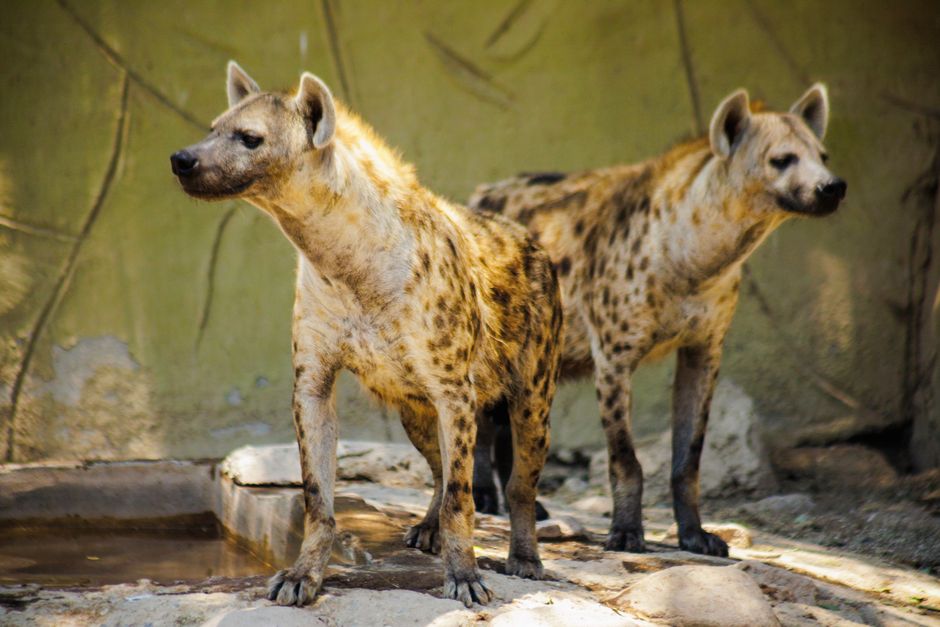
Hyenas have a reputation problem. In cartoons and folklore, they are sneaky, cowardly, and cruel — scavengers that steal other animals’ kills and laugh at others’ misfortune. The reality is more interesting. Spotted hyenas live in complex social groups run by females, hunt most of their own food, and their famous “laugh” is a sign of excitement or frustration, not mockery. The “mean” label comes mostly from human storytelling, not from how hyenas actually behave toward each other or their prey.
Are Hyenas Actually Mean The Truth About Their Behavior?
No. Hyenas are not mean in the human sense. “Mean” implies intent to harm for pleasure or spite, and there is no evidence that hyenas — or any wild animal — operate that way. What people read as cruelty is usually competition, survival, or normal social communication within a highly structured society.
Spotted hyenas (Crocuta crocuta) are the species most people picture. They live in groups called clans that can range from a handful of animals to several dozen. Clans are built on a strict ranking system, and females sit at the top. A daughter typically inherits her mother’s rank, which means social status is passed down much like a family name.
That hierarchy is real, and it can look harsh to human eyes. But rank determines who eats first, who gets the best den sites, and who has priority during conflict. For a hyena, knowing its place is not cruelty — it is how the group avoids constant fighting.
Why Do People Think Hyenas Are Mean?
Most of the reputation comes from culture, not observation. Disney’s The Lion King portrayed hyenas as villainous and conniving, and that image stuck with a generation. Older European folklore and some African storytelling traditions also cast hyenas as thieves and grave robbers, partly because hyenas do scavenge and are active at night.
Another factor is the scavenger label. Scavenging is often framed as dishonorable compared to hunting, even though scavenging is a normal and energy-efficient survival strategy used by many predators, including lions and bears. Calling an animal a scavenger says nothing about its character.
The hyena’s appearance does not help either. A sloping back, powerful jaws, and a laughing call are easy to read as sinister if you are already looking for a villain. None of these traits reflect intent.
Do Hyenas Really Steal Food From Lions?
Sometimes, yes — but the traffic goes both ways, and lions take more from hyenas than the reverse in many areas. This is one of the most persistent myths about hyenas.
Spotted hyenas are skilled hunters. Research using direct observation has shown that in many populations, the majority of a spotted hyena’s diet comes from animals it kills itself, not from scavenged carcasses. Their main prey includes wildebeest, zebra, and gazelle, often taken through group hunting that relies on endurance rather than speed.
When hyenas and lions share territory, they compete directly. Lions will chase hyenas off kills, and hyenas will do the same when they outnumber lions. Neither species is “stealing” in a moral sense — both are competing for the same limited food. The idea that hyenas are primarily scavengers is outdated and does not match what field researchers observe.





What Does a Hyena’s Laugh Actually Mean?
The laugh is not mockery. It is a vocalization, often called a giggle, that hyenas produce when they are excited, frustrated, or competing for food. It carries information about the individual — its age and social status — and helps clan members coordinate during tense moments.
Hyenas have a wide vocal range. Along with the giggle, they produce whoops, grunts, groans, and a low whoop that travels long distances to call clan members. Each hyena’s whoop is distinctive enough that others can recognize who is calling.
So when a group of hyenas gathers around a carcass and starts giggling, they are not laughing at anything. They are signaling excitement and jockeying for position in a feeding queue that their social rules already govern.
How Do Hyenas Treat Each Other?
Hyenas are highly social, and their relationships are more cooperative than the “mean” label suggests. Clan members recognize each other individually, greet one another with specific behaviors, and form alliances that can last years. Females often support their relatives in disputes, which is part of how rank is maintained.
They also cooperate to hunt, to defend territory, and to raise young. Cubs are born with their eyes open and teeth already developed, and they nurse for many months. Mothers invest heavily in their offspring, and in some cases cubs from the same litter compete intensely with each other — one reason hyena siblings do not always both survive.
Conflict does happen. Hyenas fight over food and status, and those fights can be serious. But conflict is not the same as cruelty, and a species that fought constantly would not be able to hold territory or raise young successfully.
Are Hyenas More Aggressive Than Other Predators?
Not in any way that makes them stand out. Hyenas are predators that live in groups and compete for food, and their behavior reflects that. Lions, wolves, and wild dogs all show aggression during competition, and all of them also show cooperation and social bonding.
One trait that does set spotted hyenas apart is the intensity of female dominance. Females are larger than males and rank above them, which is unusual among mammals. A high-ranking female can displace a male from a kill without a fight, simply because of her status. That reversal of the usual pattern may be part of why hyenas seem strange to people used to male-dominated predator societies.
Hyenas also have exceptionally strong jaws and teeth adapted for crushing bone. That anatomy is often used to paint them as violent, but it is really about extracting nutrients from every part of a carcass — an advantage in a competitive environment.
Do Hyenas Attack Humans?
Hyena attacks on humans are rare but have been documented, most often in areas where hyenas live close to people and food sources are scarce. Attacks tend to involve sleeping individuals or small children, and they are more common at night.
This is not unique to hyenas. Lions, leopards, and other large predators also pose risks in the same regions, and the pattern is similar: conflict rises when wild habitat and human settlements overlap and when natural prey is limited. The risk is real but low, and it does not support the idea that hyenas are unusually vicious.
Why the “Mean” Label Misses the Point
Calling hyenas mean says more about us than about them. Humans tend to judge animals by how they look and how they fit our stories, and hyenas have never fit neatly into a flattering one. They are not majestic like lions or graceful like gazelles, and their social system puts females on top.
The more accurate picture is of a highly adaptable predator with a complex society, strong maternal investment, and a communication system that researchers are still working out. They compete hard for food and status, and they cooperate just as hard when it matters. That is not meanness. It is a survival strategy that has worked for a very long time.
Frequently Asked Questions
Are hyenas actually mean animals?
No. Hyenas do not act out of spite or cruelty, and there is no evidence that any wild animal does. What looks like meanness is usually competition for food, status, or mates within a strict social system.
Do hyenas laugh when they are happy?
The hyena giggle is a sign of excitement or frustration, not joy or mockery. It often happens during feeding competition and carries information about the individual’s age and rank.
Are hyenas scavengers or hunters?
Spotted hyenas are primarily hunters in many populations, though they also scavenge when the opportunity arises. The idea that they mainly steal food from lions is a myth, and lions take from hyenas just as often.
Are hyenas dangerous to humans?
Hyena attacks on humans are rare but have been documented, usually at night and in areas where hyenas live near people with limited natural prey. The risk is low but real, similar to other large predators in the same regions.
