
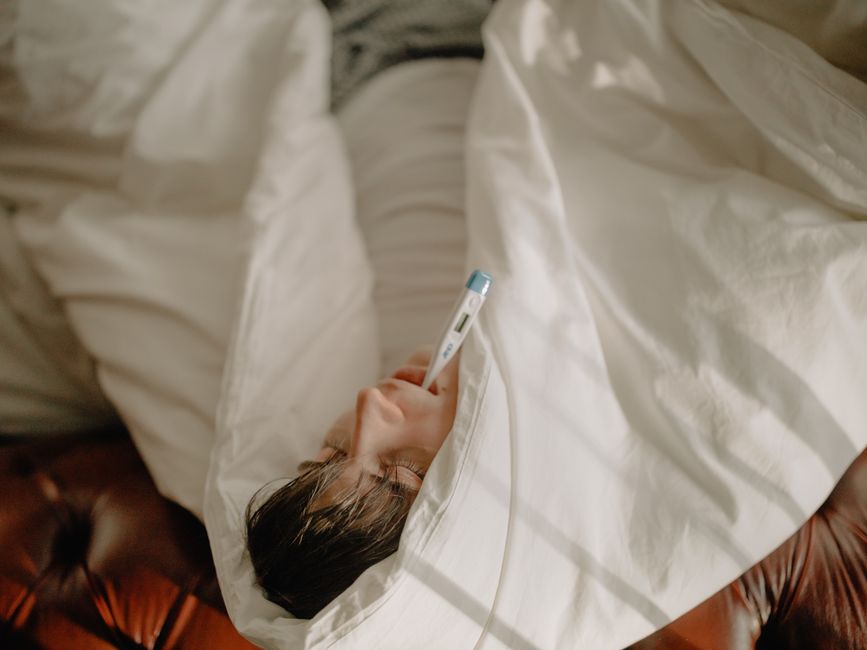
Yes, heated blankets are generally safe for most healthy adults when used as directed. The main risks come from prolonged skin contact with high heat, electrical hazards in damaged or older blankets, and use by people whose skin cannot sense or respond to heat normally. Understanding how these blankets work and who should be cautious makes the risks easy to manage.
Electric blankets are used in millions of US homes, especially during colder months. They warm a bed by running current through resistance wires, and that warmth can cause burns if the heat stays too high against skin for too long. Most problems reported to safety agencies involve older blankets, damaged cords, or people who fall asleep with the setting on high.
Are Heated Blankets Safe for Most People?
For a healthy adult with normal skin sensation, a modern heated blanket that carries a safety certification and is used at a low or moderate setting is a low-risk product. The design limits how hot the surface can get, and most blankets shut off automatically after a set time.
The safety record depends heavily on the condition of the blanket. The US Consumer Product Safety Commission has issued recalls and warnings over the years for electric blankets and heating pads that can overheat, short circuit, or catch fire. Most of those incidents trace back to damaged wiring, folding that breaks internal wires, or decades-old products made before current safety standards.
Three things drive most injuries:
- Prolonged contact — lying on a heated surface for hours at a high setting can burn skin even at temperatures that feel comfortable at first.
- Damaged wiring — cracked cords, exposed wires, or blankets that have been folded tightly in storage for years.
- Impaired sensation — people who cannot feel heat normally are at much higher risk because they do not pull away from a surface that is damaging their skin.
That last point matters more than most people realize. A burn from a heating device is often not caused by one moment of extreme heat. It is caused by moderate heat applied continuously to the same patch of skin. The tissue damage builds up over time without an obvious warning signal.
Can a Heated Blanket Burn Your Skin?
Yes. Heated blankets can cause burns, and the type most often seen is called a low-temperature burn or contact burn. This happens when skin is exposed to a heat source that is not hot enough to cause immediate pain but stays in contact long enough to damage tissue.
Contact burns from heating devices are a recognized clinical problem. Burn centers see them from heating pads, electric blankets, and similar products. The skin may look red at first, then develop blisters or an open wound over hours. Because the initial sensation is mild warmth rather than sharp pain, people often do not realize damage is happening.
Several factors raise burn risk:
- Sleeping directly on top of the blanket rather than under it
- Using the highest setting for hours
- Falling asleep without the auto-off feature engaged
- Taking medications that reduce pain or heat sensation
- Having diabetes, nerve damage, or poor circulation
If a heated blanket is used at a low setting and the person can feel and respond to heat normally, the risk of a significant burn is low. The risk climbs sharply when any of the factors above are present.
Who Should Avoid Heated Blankets?
Some people should not use heated blankets, or should only use them with medical guidance. The common thread is impaired ability to sense heat or a condition that makes skin more vulnerable.
Groups who should be especially cautious or avoid them:
- People with diabetes — diabetic peripheral neuropathy reduces sensation in the feet and legs, so burns can develop without being felt.
- People with spinal cord injuries — sensation below the level of injury may be reduced or absent.
- People with circulation problems — poor blood flow slows healing and raises the risk of complications from any burn.
- People taking sedatives, pain medications, or drugs that affect sensation — these can blunt the warning signals that normally make someone move away from heat.
- Infants and young children — they cannot reliably move away from a heat source or communicate discomfort. No clinical guidelines establish a safe use pattern for heated blankets in infants, so avoiding them is the cautious choice.
- Pregnant women — core body temperature that rises too high is a known concern in early pregnancy. There is no established safe duration or temperature threshold for heated blanket use in pregnancy, so many clinicians advise limiting use or avoiding it, particularly in the first trimester.
For anyone in these groups, the decision is best made with a clinician who knows their specific situation. A general rule of thumb from burn prevention guidance is simple: if you cannot feel the heat clearly, do not use a device that produces it.





What Are the Electrical and Fire Risks?
Electrical and fire risks are real but largely preventable. They come from the product’s condition and how it is used, not from normal operation of a certified, undamaged blanket.
Key electrical safety points:
- Look for a certification mark from a recognized testing laboratory on the product and its cord.
- Check the cord and blanket surface before each season for cracks, fraying, scorch marks, or exposed wire.
- Never fold an electric blanket while it is turned on. Folding concentrates heat and can damage internal wires.
- Do not tuck the blanket under the mattress or pin it in place. This can bend wires and create hot spots.
- Do not use an electric blanket on a waterbed, adjustable bed with moving parts, or any surface that could pinch the wiring.
- Unplug the blanket when not in use.
- Replace, do not repair, a damaged blanket.
Age matters here. Older blankets were built to older standards and their wiring degrades over time. Safety agencies generally recommend replacing electric blankets that are around ten years old or older, even if they look fine. That is a general guideline rather than a hard rule, but the underlying logic is sound: insulation and wiring break down with age and use.
How Should You Use a Heated Blanket Safely?
Safe use comes down to controlling heat, time, and contact. Most of the practical guidance below reflects general product safety recommendations rather than clinical trial data, but the reasoning is straightforward and widely accepted.
- Use the lowest setting that keeps you comfortable.
- Warm the bed before getting in, then turn the blanket off or down before sleeping.
- Use the auto-off timer if the blanket has one.
- Place the blanket on top of you or between the sheet and the top cover, not directly against bare skin for long periods.
- Never use a heated blanket and a heating pad on the same area at the same time.
- Keep pets from chewing cords or lying on the blanket at high settings.
- Do not use a heated blanket to warm a person who cannot communicate discomfort.
One point that often gets missed: a heated blanket is not a medical treatment. It can make a bed feel warmer and more comfortable, and warmth can help some people relax. But no strong evidence shows that heated blankets treat any medical condition, and they should not be used in place of care for pain, circulation problems, or injuries.
Are Heated Blankets Safe for Children and Older Adults?
Children and older adults need more caution than the average adult. Both groups are overrepresented in burn statistics from heating devices, for different reasons.
Young children have thinner skin than adults, which means burns can happen faster and at lower temperatures. They also may not recognize or report discomfort. Because there are no established safety guidelines for heated blanket use in young children, avoiding them in this age group is the reasonable choice.
Older adults face a different set of risks. Skin thins with age, circulation often declines, and conditions like diabetes and neuropathy become more common. Medications that affect sensation or alertness add to the risk. An older adult with any of these factors should treat a heated blanket the way they would treat any heat source — with caution and, ideally, a conversation with their doctor.
For healthy older adults with normal sensation, low-setting use with an auto-off feature carries low risk. The key is not the person’s age by itself but their ability to feel heat and respond to it.
Do Heated Blankets Cause Any Other Health Problems?
Some people worry that heated blankets interfere with sleep, raise body temperature too much, or affect fertility. The evidence on most of these concerns is limited, and it is worth separating what is known from what is assumed.
On sleep, warmth can help people fall asleep, and a comfortably warm bed is generally not a problem. A bed that is too warm, however, can disrupt sleep because the body needs to lose some heat to stay asleep comfortably. This is a comfort issue more than a medical one.
On core body temperature, a heated blanket warms the skin and the space around the body. It does not usually raise core temperature enough to matter in a healthy adult. The concern about elevated core temperature applies mainly to pregnancy, where sustained high core temperature in early pregnancy is linked to certain risks. Because the exact threshold and duration are not well established for heated blankets specifically, caution in pregnancy is based on that general principle rather than direct study evidence.
On fertility, some claims circulate that heated blankets reduce sperm production or affect reproductive health. Heat exposure is a recognized factor in sperm quality, but the specific effect of heated blanket use has not been established in large human studies. Anyone concerned about fertility should talk with a clinician rather than rely on general claims in either direction.
What Should You Do If a Burn Happens?
Stop using the blanket immediately and cool the area with cool — not ice-cold — running water. Do not apply ice, butter, or ointments to a burn. Cover it loosely with a clean, non-stick dressing.
Seek medical care for any burn that blisters, looks white or charred, covers a large area, or occurs in someone with diabetes, poor circulation, or reduced sensation. Burns in these groups can worsen quickly and are more prone to infection. When in doubt, get it checked.
Frequently Asked Questions
Are heated blankets safe to sleep with overnight?
They are generally safe for healthy adults if used on a low setting with an auto-off feature. Sleeping on a high setting for hours raises the risk of a contact burn, so turning it down or off before sleep is the safer choice.
Can a heated blanket catch fire?
Fire risk is low in a certified, undamaged blanket used correctly, but it rises with age, damaged wiring, or folding the blanket while it is on. Replacing blankets around ten years old and checking cords each season reduces that risk.
Are heated blankets safe during pregnancy?
No established safe temperature or duration exists for heated blanket use in pregnancy, so many clinicians advise limiting or avoiding use, especially in the first trimester. Talk with your doctor about your specific situation.
Can diabetics use heated blankets?
Diabetes can reduce sensation in the feet and legs, which makes burns harder to notice. If you have diabetes, especially with neuropathy, check with your doctor before using a heated blanket.
