
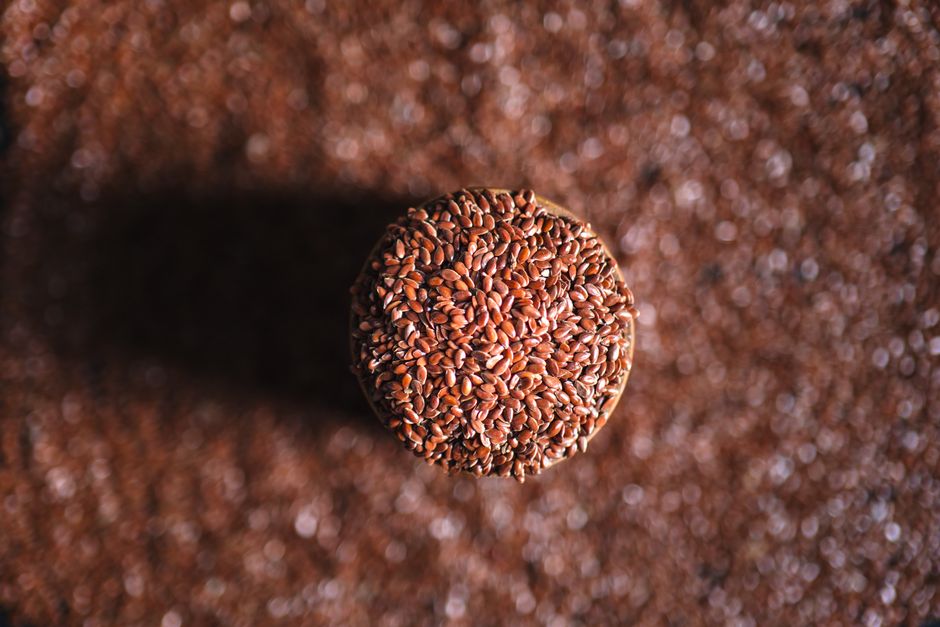
Flax seeds are small brown or golden seeds that have been eaten for thousands of years, and they remain one of the better-studied seeds in nutrition science. The short answer is yes — flax seeds are a healthy food for most people, with strong evidence behind their fiber, plant-based omega-3 fat, and lignan content. That said, “healthy” does not mean “eat unlimited amounts,” and a few real cautions apply.
This article separates what the research consistently supports from what is overstated or still uncertain. You will also find practical guidance on how to eat them and who should be careful.
What Makes Flax Seeds Healthy?
Flax seeds carry three nutrients that are genuinely hard to get from many other single foods. Each one has a distinct job in the body.
Alpha-linolenic acid (ALA) is a plant-based omega-3 fat. ALA is an essential fatty acid, meaning your body cannot make it — you have to eat it. Flax seeds are one of the richest common food sources. The body converts some ALA into the longer-chain omega-3s found in fish, though that conversion is limited. ALA still has value on its own, and it counts toward your essential fat needs.
Dietary fiber makes up a large share of the seed. Flax contains both soluble and insoluble fiber. The soluble portion includes mucilage, a gel-forming fiber that absorbs water. This is why ground flax thickens when mixed with liquid.
Lignans are plant compounds with antioxidant activity. Flax seeds contain far more lignans than most foods, and this is one of the reasons they get attention in research.
One clarification worth knowing: whole flax seeds are hard for your body to break down. If you swallow them whole, much of the seed passes through undigested. Grinding is what actually releases the nutrients for absorption.
What Does the Research Say About Flax Seeds and Heart Health?
The heart-health evidence for flax is real but should be read carefully. Some studies suggest flax seeds can modestly lower LDL cholesterol, the “bad” cholesterol. The effect is generally small and varies between studies. It is not a substitute for cholesterol medication or a heart-healthy diet overall.
The ALA connection is where the picture gets more interesting and more debated. ALA is an omega-3, but it is not the same as the omega-3s in fish oil, which have been studied far more extensively for heart outcomes. Some research links higher ALA intake to a lower risk of heart disease, but the evidence is not as strong or as consistent as it is for fish-based omega-3s. It would be inaccurate to say flax seeds “protect your heart” as a settled fact.
The fiber in flax is a more reliable contributor. Soluble fiber is well established to help lower cholesterol and support heart health as part of an overall diet. That benefit is not unique to flax, but flax is a solid way to get it.
Do Flax Seeds Help With Digestion and Blood Sugar?
Flax seeds support digestion mainly through fiber, and the evidence here is fairly consistent. The insoluble fiber adds bulk to stool and can help with regularity. The soluble mucilage holds water and can soften stool. For many people, this translates to more comfortable, regular bowel movements.
On blood sugar, some studies suggest ground flax taken with meals can slightly blunt the rise in blood sugar after eating. The effect is modest. It is not a treatment for diabetes and does not replace medication, monitoring, or medical advice. Think of it as one small supporting factor in a broader eating pattern.
There is a practical caution that matters more than most people realize. Adding a lot of fiber quickly can cause bloating, gas, and cramping. Start with a small amount and increase gradually. Drink enough water, because fiber without fluid can make constipation worse rather than better.





Are Flax Seeds Good for Hormones?
This is where flax gets more hype than the evidence supports. Lignans are phytoestrogens, plant compounds that can weakly interact with estrogen receptors in the body. Because of this, flax seeds are often marketed for hormonal balance, menopause, and other hormone-related concerns.
The honest position: some studies suggest lignans may have modest effects on certain hormone-related markers, but the human evidence is limited and mixed. No clinical evidence currently confirms that eating flax seeds meaningfully balances hormones, relieves menopause symptoms, or improves outcomes for hormone-sensitive conditions. The marketing here runs well ahead of the science.
If you have a hormone-sensitive condition such as certain breast cancers, this is a topic to raise with your doctor rather than decide on your own. The research is not clear enough to give blanket guidance either way.
How Should You Eat Flax Seeds?
Ground flax is the most practical form. Grinding breaks the hard outer shell so your body can access the nutrients. You can buy pre-ground flax, often called flax meal, or grind whole seeds at home in a coffee grinder or blender.
Storage matters. The ALA in flax is fragile and can go rancid when exposed to heat, light, and air. Ground flax keeps best in the refrigerator or freezer, in a sealed container. Whole seeds stay fresh longer than ground ones. A simple test: if ground flax smells sharp or bitter, it has likely gone bad.
Ways to use it:
- Stir a spoonful into oatmeal, yogurt, or smoothies.
- Mix into baked goods like muffins and bread.
- Use as a thickener in place of some flour in recipes.
- Sprinkle over salads or cereal.
Flax also works as an egg substitute in baking. Mix one tablespoon of ground flax with about three tablespoons of water and let it sit until it gels. This is a common cooking trick, not a nutrition claim.
There is no single official daily target for flax seeds specifically. General dietary guidance emphasizes getting fiber and plant-based fats from a variety of foods rather than one seed. A typical serving people use is one to two tablespoons of ground flax, but this is a common habit, not a clinical recommendation.
Who Should Be Careful With Flax Seeds?
Flax seeds are safe for most people, but a few groups should take care.
People with digestive conditions. If you have irritable bowel syndrome, inflammatory bowel disease, or a history of bowel blockages, high-fiber foods can be a problem. Talk to your doctor before adding a lot of flax.
People who need to control fiber or fluid intake. Certain medical conditions require strict limits on fiber and fluids. Flax would need to fit within those limits.
Anyone starting a new fiber source. Go slowly and drink enough water. This applies to everyone, not just people with conditions.
On pregnancy and breastfeeding: flax seeds in normal food amounts are generally considered fine as part of a varied diet. However, no clinical guidelines set a specific recommended amount of flax for pregnant or breastfeeding women. High-dose flax supplements are a different question and should be discussed with a clinician. As with any supplement during pregnancy, do not assume it is harmless just because it is “natural.”
One more point that is often misunderstood. Flax seeds contain small amounts of compounds called cyanogenic glycosides. In normal food amounts, these are not a concern for most healthy adults. The concern would only arise from eating very large quantities of raw flax, which is not something to do. Cooking and normal serving sizes are not a safety issue for the general population.
How Do Flax Seeds Compare to Other Seeds?
Flax is often compared to chia and hemp seeds. Each has strengths, and the “best” one depends on what you are after.
| Seed | Omega-3 (ALA) | Fiber | Notable feature |
|---|---|---|---|
| Flax | High | High | Highest lignan content among common foods |
| Chia | Moderate to high | High | Gels strongly; no grinding needed |
| Hemp | Moderate | Moderate | More complete protein |
Chia has an advantage in convenience because you do not need to grind it. Hemp brings more protein. Flax stands out for its lignans and its ALA content. All three are healthy additions to a varied diet. None is a magic food, and none needs to be eaten daily to be worthwhile.
The Bottom Line on Flax Seeds
Flax seeds are a genuinely healthy food with well-established nutritional value. Their fiber, ALA, and lignans are real. Ground flax is the form that lets your body use them.
What flax is not: a treatment for any disease, a hormone balancer, or a replacement for medication. The heart and blood sugar benefits are modest and best understood as part of an overall healthy diet. If you have a medical condition or take medications, check with your doctor before making flax a regular part of your routine.
Frequently Asked Questions
Are flax seeds healthy to eat every day?
Yes, for most people ground flax seeds can be eaten daily in normal food amounts as part of a varied diet. Start with a small amount and increase gradually so your digestion can adjust.
Should I eat whole or ground flax seeds?
Ground flax is better because whole seeds are hard to digest and much of the seed passes through unabsorbed. Store ground flax in the refrigerator or freezer to keep it from going rancid.
Do flax seeds really help with weight loss?
Some studies suggest flax may slightly increase feelings of fullness because of its fiber, but the evidence for meaningful weight loss is weak. No single food causes weight loss on its own.
Can flax seeds lower cholesterol?
Some studies suggest ground flax can modestly lower LDL cholesterol, largely due to its soluble fiber. The effect is generally small and does not replace medication or an overall heart-healthy diet.
