
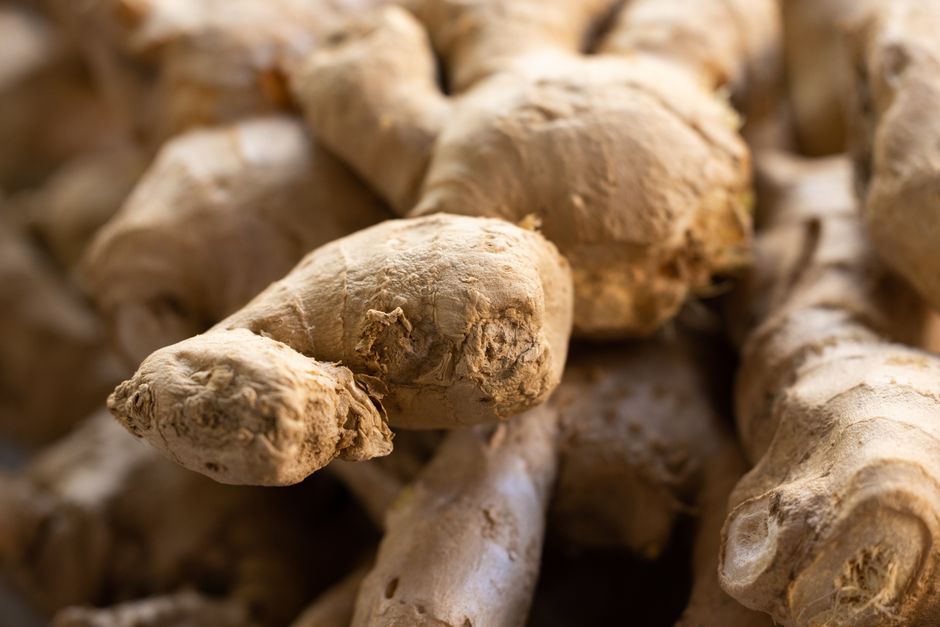
Ginger dressing is one of those condiments that feels healthy by association. It shows up on salads, drizzled over grilled fish, and in the little cup next to your sushi. But whether it actually supports your health depends almost entirely on what else is in the bottle.
The short answer: ginger itself has well-documented anti-inflammatory and digestive properties, but most commercial ginger dressings are primarily oil and sugar. A typical store-bought version can carry 10 to 14 grams of sugar per two-tablespoon serving. That is roughly a third of the daily added sugar limit recommended by the American Heart Association for women. The ginger is real. The health halo around it is not always earned.
What Is Ginger Dressing Actually Made Of?
Traditional Japanese ginger dressing — the kind served at hibachi restaurants — is built on a specific base: fresh ginger, onion, carrot, celery, rice vinegar, soy sauce, and a neutral oil. Some versions add tomato paste or ketchup for color and sweetness.
The commercial versions sold in bottles vary widely. Read the label and you will usually find this order:
- Oil (soybean, canola, or sesame) — often the first ingredient by weight
- Sugar or high-fructose corn syrup
- Water
- Rice vinegar
- Soy sauce (which adds sodium)
- Ginger — sometimes fresh, sometimes powder, sometimes both
- Carrot, onion, or tomato paste for color
- Xanthan gum or other thickeners
The position of ginger on that list tells you a lot. If it appears after sugar and oil, you are getting a sweet, fatty dressing with ginger flavoring — not a ginger-forward health food.
Does Ginger Itself Have Real Health Benefits?
Yes, and this is one area where the research is solid. Ginger contains bioactive compounds called gingerols and shogaols. These have been studied for their effects on inflammation, nausea, and digestion.
Research published in the journal Pain Medicine found that ginger extract reduced muscle pain from exercise by a modest but measurable amount compared to placebo. Studies on ginger for nausea — particularly nausea during pregnancy and after surgery — have generally shown benefit, though the evidence quality varies. Ginger also appears to speed gastric emptying, which may explain why it helps with feelings of fullness or indigestion.
What ginger does not do is cancel out the sugar and oil in a dressing. The amount of ginger in a two-tablespoon serving of dressing is small — often less than a gram. You would need to eat far more ginger than any dressing provides to reach the doses used in clinical studies.
Is Ginger Dressing Healthy Benefits And Drawbacks?
The benefits come from the ingredients, not the name. A ginger dressing made with fresh ginger, rice vinegar, and a modest amount of oil provides some anti-inflammatory compounds, a small amount of healthy fat, and flavor that makes vegetables more appealing. That last point matters more than people give it credit for. If ginger dressing gets you to eat more salad, that is a genuine net positive.
The drawbacks are concentrated in commercial versions:
- Sugar content. Many bottled ginger dressings contain 8 to 14 grams of sugar per serving. Two tablespoons is a small amount of dressing — most people use more.
- Sodium. Soy sauce is a major ingredient. A single serving can deliver 300 to 500 milligrams of sodium.
- Calories. Oil-heavy dressings can run 100 to 150 calories per two tablespoons. That adds up quickly on a large salad.
- Serving size reality. The nutrition label says two tablespoons. Most people pour three to four times that amount without measuring.
None of this makes ginger dressing unhealthy in absolute terms. It makes it a condiment that deserves the same label-reading you would give any other bottled sauce.





How Does Ginger Dressing Compare to Other Salad Dressings?
The comparison depends on what you are measuring. Here is how a typical commercial ginger dressing stacks up against common alternatives per two-tablespoon serving:
| Dressing Type | Calories | Sugar | Sodium | Fat |
|---|---|---|---|---|
| Ginger (bottled, commercial) | 80–120 | 8–14g | 300–500mg | 6–10g |
| Ranch | 120–140 | 1–2g | 250–350mg | 13–15g |
| Balsamic vinaigrette | 60–90 | 3–6g | 150–250mg | 5–8g |
| Italian (oil and vinegar based) | 50–80 | 1–3g | 200–300mg | 5–8g |
| Fat-free ginger | 30–50 | 8–12g | 300–500mg | 0g |
Ginger dressing sits in the middle. It has more sugar than vinaigrette but less fat than ranch. The fat-free versions trade fat for sugar, which is not automatically a better deal.
Can You Make a Healthier Ginger Dressing at Home?
Yes, and the difference is significant. A homemade version lets you control every variable. Here is a basic framework:
- Fresh grated ginger (one to two tablespoons)
- Rice vinegar (three tablespoons)
- Low-sodium soy sauce or tamari (one tablespoon)
- Toasted sesame oil (one teaspoon — it is strong)
- Neutral oil like avocado or grapeseed (two tablespoons)
- A small amount of honey or maple syrup if you want sweetness (one teaspoon)
This makes roughly half a cup of dressing. The sugar drops to about 1 gram per serving. Sodium depends on your soy sauce choice. The ginger flavor is stronger because you are using it fresh.
Some people add a tablespoon of white miso for depth. Others blend in a small piece of carrot or a spoonful of tomato paste for color. Neither adds meaningful sugar.
Who Should Be Careful With Ginger Dressing?
Most people can eat ginger dressing without issue. A few groups should pay closer attention.
People watching their blood sugar should treat commercial ginger dressing like any other sweetened condiment. The sugar adds up, especially if you use more than the labeled serving. People on sodium-restricted diets should check the label carefully — soy sauce is a significant source. Those with soy allergies need to avoid traditional versions entirely.
Ginger itself is generally well tolerated. High doses of ginger supplements — not dressing — have been associated with mild heartburn or stomach discomfort in some people. Ginger may also interact with blood-thinning medications at supplemental doses. The amount in a serving of dressing is not likely to be a concern, but anyone on warfarin or similar drugs should mention ginger intake to their doctor.
Does the Type of Ginger Matter?
Fresh ginger and dried ginger powder are not identical. Fresh ginger contains higher levels of gingerols, the compounds most studied for anti-inflammatory effects. Dried ginger has more shogaols, which form when ginger is heated or dried. Both have biological activity, but they are not interchangeable in research terms.
Most bottled dressings use a mix. Some use fresh ginger puree. Some use powder. Some use ginger extract for consistent flavor. The label usually does not specify, which makes it hard to know exactly what you are getting.
If ginger content matters to you, homemade is the only way to know for certain.
Is Ginger Dressing Worth Including in Your Diet?
If you enjoy it and it helps you eat more vegetables, yes. The psychological benefit of a dressing you actually like is real. Salads that taste good get eaten. Salads that taste like punishment do not.
The key is awareness. Check the label. Measure your serving at least once so you know what two tablespoons actually looks like in your bowl. If the sugar or sodium numbers bother you, make your own or use less.
Ginger dressing is not a health food in the way marketing might suggest. It is also not a junk food. It is a condiment — one with some genuine beneficial ingredients and some genuine drawbacks. Treat it accordingly and you will be fine.
Frequently Asked Questions
Is ginger dressing good for you?
It depends on the ingredients. Ginger itself has anti-inflammatory and digestive benefits supported by research, but commercial dressings often contain significant sugar, sodium, and oil that offset those benefits.
How much sugar is in ginger dressing?
A typical two-tablespoon serving of bottled ginger dressing contains 8 to 14 grams of sugar. Homemade versions with minimal sweetener can drop that to around 1 gram per serving.
Can ginger dressing help with digestion?
Ginger has been shown to speed gastric emptying and may help with nausea, but the amount in a serving of dressing is much smaller than the doses used in clinical studies. The effect from dressing alone is likely minimal.
Is ginger dressing high in sodium?
Most commercial ginger dressings contain 300 to 500 milligrams of sodium per two-tablespoon serving, mostly from soy sauce. Choosing a low-sodium soy sauce in homemade versions can reduce this substantially.
