
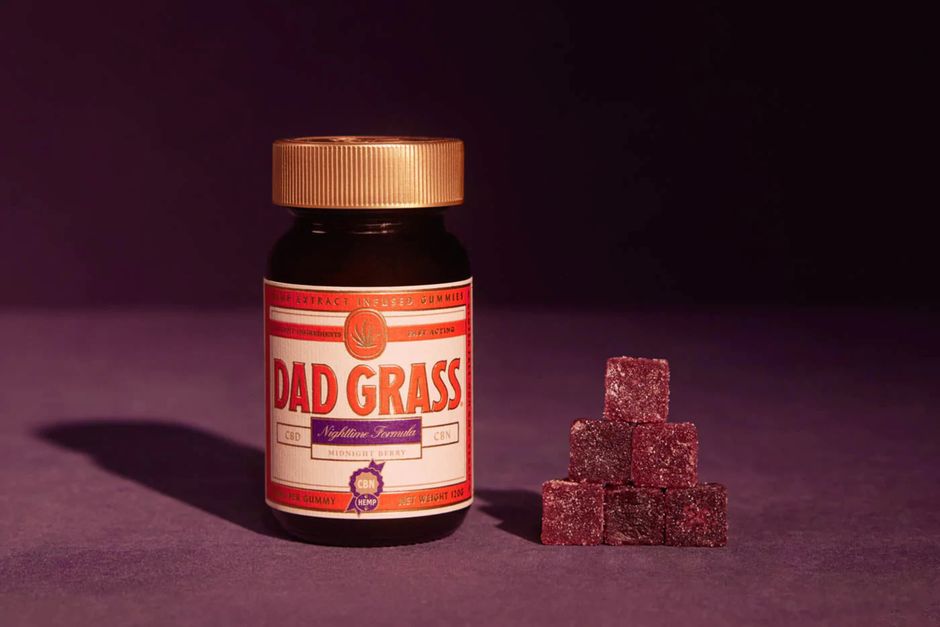
Edibles are not inherently bad for your body, but they carry different risks than smoking or vaping cannabis. The main difference comes down to how your body processes THC. When you eat an edible, your liver converts THC into a stronger form called 11-hydroxy-THC. This produces a more intense, longer-lasting high that can be overwhelming, especially for people new to cannabis. The bigger concern is not the edible itself but the dose, the timing, and how your individual body responds.
How Do Edibles Affect Your Body Differently Than Smoking?
Smoking or vaping sends THC directly from your lungs into your bloodstream. You feel the effects within minutes. Edibles take a completely different route. The THC passes through your digestive system and into your liver before it reaches your bloodstream.
This process changes the experience in three important ways. First, the onset is delayed. Effects can take 30 minutes to two hours to appear. Second, the high is stronger because of how the liver metabolizes THC. Third, the effects last much longer — often four to eight hours or more.
Many people make the mistake of eating more because they do not feel anything after 20 minutes. That is when problems start. The delayed onset leads to overconsumption, which is the most common cause of adverse reactions to edibles.
Are Edibles Bad For Your Body’s Heart and Lungs?
Edibles do not harm your lungs. That is their main advantage over smoking. No smoke enters your airways, so you avoid the tar, carbon monoxide, and irritants that come with inhaling cannabis.
The cardiovascular effects are a different story. THC can raise your heart rate within 15 to 30 minutes after ingestion. For most healthy adults, this is temporary and not dangerous. But for people with existing heart conditions, high blood pressure, or a history of arrhythmias, this increase can be risky.
Research consistently shows that cannabis use can trigger cardiovascular events in vulnerable people. The risk appears highest shortly after use. An edible high lasts much longer than a smoked high, which means your heart rate stays elevated for a longer period.
If you have heart disease or uncontrolled high blood pressure, talk to a doctor before using edibles. This is not a theoretical concern. Medical literature includes cases of heart attacks and strokes occurring after cannabis consumption, including edibles.
What Does an Edible Overdose Feel Like?
You cannot fatally overdose on cannabis. No recorded deaths from THC toxicity alone exist. But you can absolutely take too much, and the experience can be frightening and physically unpleasant.
Symptoms of excessive THC intake include:
- Severe anxiety or panic attacks
- Rapid heart rate
- Nausea and vomiting
- Dizziness or lightheadedness
- Confusion or disorientation
- Paranoia
- Extreme drowsiness
In rare cases, people experience cannabis hyperemesis syndrome. This condition causes cycles of severe nausea, vomiting, and abdominal pain. It is linked to long-term, frequent cannabis use and can require emergency medical treatment.
If someone takes too much, the best approach is to stay calm and in a safe place. The effects will pass, but they can last many hours. Severe symptoms like chest pain, fainting, or uncontrollable vomiting warrant a call to poison control at 1-800-222-1222 or emergency services.





Can Edibles Affect Your Mental Health?
Yes, and this is one of the most well-documented risks. THC is psychoactive. It changes how your brain processes information, emotion, and memory.
For people with no history of mental illness, edibles can still trigger temporary anxiety or paranoia, especially at high doses. The intensity of the edible high makes these psychological effects more pronounced than with smoking.
For people with a personal or family history of psychotic disorders, the risks are more serious. Some studies indicate that cannabis use can trigger psychotic episodes in vulnerable individuals. This risk appears higher with high-potency products and with edibles, which deliver a larger dose of THC at once.
Regular heavy use is also linked to something called cannabis use disorder. This is a recognized condition where a person struggles to stop using cannabis despite negative consequences in their life. Estimates suggest that about 10% of adults who use cannabis develop this disorder. The rate climbs to about 17% for people who start using in their teens.
How Long Do Edibles Stay In Your System?
THC is fat-soluble. That means it binds to fat cells in your body and is released slowly over time. This is why edibles produce a longer-lasting high and why THC can be detected in your system for weeks after a single use.
For occasional users, THC is typically detectable in urine for up to three days. For regular users, it can be detected for 30 days or longer. Heavy, daily users may test positive for THC for several months after stopping.
This matters for people who undergo drug testing for employment, sports, or legal reasons. There is no reliable way to speed up THC elimination. Drinking water, exercising, and detox products have not been shown to meaningfully accelerate the process.
Are Edibles Safe For Everyone?
No. Certain groups should avoid edibles entirely.
Pregnant and breastfeeding women should not use cannabis in any form. THC crosses the placenta and passes into breast milk. Research on the developmental effects is still emerging, but the evidence we have raises concerns about fetal brain development and later behavioral issues in children. No clinical guidelines currently exist that support any safe level of cannabis use during pregnancy.
People over 65 should use edibles with caution. Older adults are more sensitive to the psychoactive effects of THC. They are also more likely to take medications that could interact with cannabis. Falls, confusion, and drug interactions are real concerns in this age group.
Anyone taking sedatives, anti-anxiety medications, sleep aids, or blood thinners should check with a pharmacist or doctor before using edibles. THC can amplify the effects of central nervous system depressants, which can lead to dangerous levels of sedation.
How To Use Edibles Safely If You Choose To
If you decide to try edibles, the safest approach is to start low and go slow. This is the single most important rule.
Start with a dose of 2.5 to 5 milligrams of THC. Wait at least two hours before taking more. Do not eat another edible just because you do not feel anything yet. The effects take time to build.
Choose products from licensed dispensaries that provide clear labeling of THC content. Homemade edibles are impossible to dose accurately. A brownie made with an unknown amount of cannabis butter can contain anywhere from a mild dose to a dangerously strong one.
Do not mix edibles with alcohol. Alcohol increases the absorption of THC and amplifies its sedative effects. The combination significantly increases the risk of nausea, vomiting, and severe impairment.
Store edibles out of reach of children and pets. Edibles often look like regular candy, cookies, or gummies. Accidental ingestion by children is a growing public health concern, and these cases can require hospitalization.
Do Edibles Interact With Medications?
Yes, and this is an underappreciated risk. THC is metabolized by enzymes in the liver that also process many common medications.
Some research suggests that cannabis can interfere with the metabolism of certain drugs, potentially making them stronger or weaker than intended. Medications affected can include blood thinners, antidepressants, and some seizure medications.
The evidence here is not complete. Clinical studies on specific drug interactions with cannabis are limited, partly because cannabis is a Schedule I substance federally. What clinicians know comes largely from case reports and small studies. That means the full scope of interactions is likely not yet understood.
If you take any prescription medication, a pharmacist is the best person to ask about potential interactions with edibles. Do not assume that because cannabis is natural, it cannot affect your medications.
What Does The Evidence Actually Show About Long-Term Use?
The honest answer is that long-term data on edibles specifically is limited. Most cannabis research has focused on smoked cannabis because that is the most common form of use historically.
What we do know comes from studies on cannabis use broadly. Chronic heavy use is associated with memory problems, reduced motivation, and potential changes in brain structure. Some studies suggest these effects may be partially reversible after stopping use, but the research is not definitive.
For edibles specifically, the main long-term concern is the potency. Edibles can deliver much higher doses of THC than smoking. Higher cumulative THC exposure is associated with a greater risk of cannabis use disorder and psychological dependence.
The evidence does not support the idea that edibles are a “clean” or risk-free way to use cannabis. They avoid the lung damage of smoking, but they introduce different risks related to dosing, potency, and psychological effects.
Frequently Asked Questions
Can edibles cause permanent damage to your brain?
No evidence currently confirms that edibles cause permanent brain damage in adults. Heavy, prolonged cannabis use is linked to memory and attention problems, but some research suggests these improve after stopping use.
How much is too much for a first-time edible user?
A first-time user should start with no more than 2.5 to 5 milligrams of THC. Taking 10 milligrams or more as a first dose significantly increases the risk of anxiety, panic, and nausea.
Can edibles make you sick to your stomach?
Yes, nausea and vomiting are common side effects, especially at higher doses. Frequent, long-term users can develop cannabis hyperemesis syndrome, which causes cycles of severe vomiting that may require emergency care.
Are edibles safer than smoking cannabis?
Edibles are safer for your lungs but not necessarily safer overall. They carry higher risks of accidental overconsumption, intense psychological effects, and longer-lasting impairment compared to smoking.
