
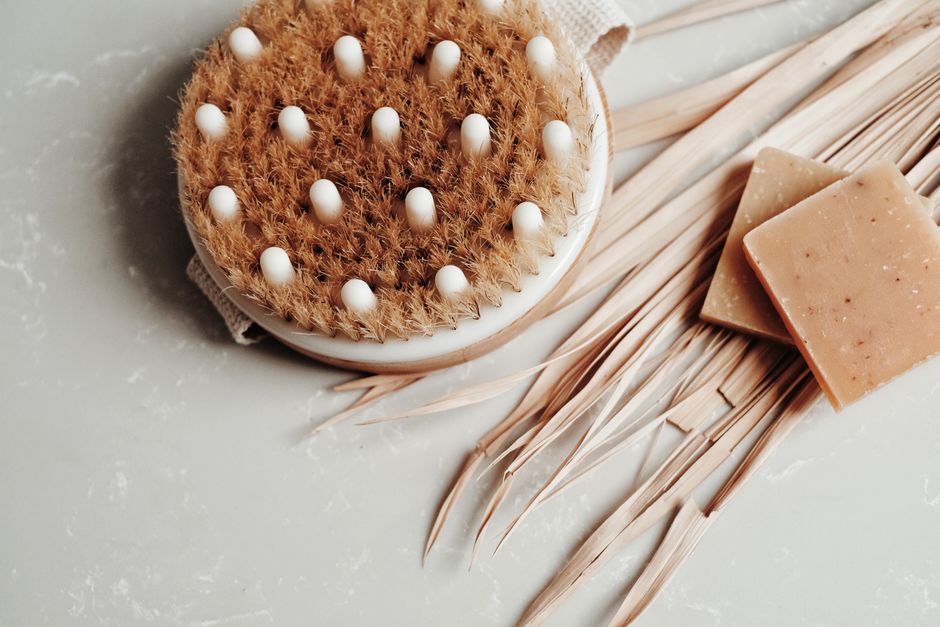
Dry brushing is a simple practice: you use a firm-bristled brush on dry skin, moving in long strokes toward your heart. The technique takes about five minutes before you shower, and the main appeal is smoother skin and a temporary boost in circulation. Here is the complete guide to doing it correctly, what it can and cannot do, and how to avoid the common mistakes that cause irritation.
What Is Dry Brushing and How Does It Work?
Dry brushing is exactly what it sounds like. You brush your bare skin with a stiff brush while your skin is completely dry, usually before you step into the shower. The brush is typically natural-bristled with a long handle so you can reach your back.
The physical action does two things. First, it physically exfoliates the top layer of dead skin cells, which can leave skin feeling smoother. Second, the pressure and friction stimulate blood flow near the surface of the skin, which is why your skin may look flushed afterward.
Many people also report that it feels invigorating. There is no strong scientific evidence that dry brushing removes toxins or stimulates the lymphatic system in any meaningful way, despite what many wellness websites claim. Those claims are not supported by clinical research. What is supported is the exfoliating effect and the temporary increase in surface circulation.
What Are the Actual Benefits of Dry Brushing?
The proven benefits are modest but real. Regular exfoliation with a dry brush can help remove dead skin cells, which may reduce the appearance of dry, flaky patches. Some people with keratosis pilaris, the small rough bumps often found on the upper arms and thighs, find that regular exfoliation helps smooth those areas.
There is also a cosmetic benefit. Removing the dull layer of dead skin can make your skin look brighter and can help lotions and moisturizers absorb more effectively. If you apply moisturizer right after brushing, your skin may feel softer than it would without the exfoliation.
The claims that dry brushing detoxifies the body are not supported by evidence. Your liver and kidneys handle detoxification. Brushing your skin does not remove toxins, does not significantly stimulate lymph flow, and does not cleanse your blood. If a product or influencer claims otherwise, that claim goes beyond what science currently shows.
How Do You Dry Brush Your Body Correctly?
Start with a brush that has firm, natural bristles and a long handle. Synthetic bristles can be too harsh. You want a brush that feels firm but not painful against your skin.
Stand in a dry area, preferably on a towel or mat. Begin at your feet and work upward. Use long, sweeping strokes toward your heart. This direction follows the natural return of blood and lymph toward your chest, and it is the standard instruction in dermatology-adjacent guidance and traditional practice.
Use light to medium pressure. You should feel friction, but you should not feel pain or see deep red marks. The skin on your stomach, chest, and inner arms is more sensitive, so use lighter pressure there. Avoid the face, which is too delicate for a body brush, and never brush over broken skin, rashes, sunburn, or active acne.
Brush each area a few times. Two or three passes per area is enough. The whole process should take three to five minutes. After brushing, shower to rinse off the dead skin cells. Apply moisturizer while your skin is still slightly damp to lock in hydration.





How Often Should You Dry Brush?
For most people, two to three times per week is enough. Daily brushing can irritate sensitive skin, especially if you press too hard or use a stiff brush. If your skin feels tight, red, or itchy after brushing, you are doing it too often or pressing too hard.
People with dry or sensitive skin should start with once a week and see how their skin responds. People with oily or thicker skin on areas like the back or legs may tolerate more frequent brushing. There is no universal recommendation because skin tolerance varies widely from person to person.
If you have eczema, psoriasis, or another chronic skin condition, talk to your dermatologist before starting dry brushing. Exfoliating an already irritated skin barrier can make those conditions worse. The same applies if you are on blood thinners or have fragile skin that bruises easily.
What Are the Risks and Common Mistakes?
The most common mistake is brushing too hard. This can cause micro-tears in the skin, leading to redness, irritation, and even infection. Your skin barrier is there to protect you. Damaging it with aggressive brushing does more harm than good.
Another common mistake is brushing wet skin. The technique is called dry brushing for a reason. Brushing wet skin with a stiff brush creates too much friction and can cause significant irritation. Always brush dry skin, then shower.
Sharing your brush is also a problem. Your brush collects dead skin cells and bacteria. Sharing it can spread skin infections. Rinse your brush with warm soapy water once a week and let it air dry completely. Replace the brush every few months, or sooner if the bristles start to bend or break.
Do not dry brush if you have an open wound, active infection, or recent surgical incision. The friction can delay healing and introduce bacteria. If you have diabetes or peripheral artery disease, check with your doctor first, as reduced sensation and impaired healing can make even minor skin trauma a concern.
Does Dry Brushing Help with Cellulite or Lymphatic Drainage?
There is no clinical evidence that dry brushing reduces cellulite. Cellulite forms in the connective tissue beneath the skin. Brushing the surface of the skin cannot change that structure. Some people report temporary smoothing because the skin is exfoliated and slightly swollen from increased blood flow, but that effect is cosmetic and temporary.
The lymphatic drainage claims are also not supported by research. The lymphatic system sits deeper than the surface of the skin. While massage and movement can support lymph flow, a stiff brush on the skin surface has not been shown to meaningfully affect lymphatic function in clinical studies. Some practitioners of manual lymphatic drainage use specific massage techniques for medical purposes, but that is a different practice from dry brushing.
If you are looking for proven ways to support circulation, regular exercise and staying hydrated are far more effective than dry brushing. If you enjoy dry brushing for how it makes your skin feel, there is no harm in continuing it. Just do not expect it to change your body composition or detoxify you.
What Brush Should You Use and How Do You Care for It?
Choose a brush with natural bristles, not synthetic ones. Boar bristle brushes are common and provide a good balance of firmness and flexibility. A long-handled brush helps you reach your back and shoulders without contorting.
Look for a brush with a comfortable grip. If the handle feels flimsy, it will be harder to control your pressure. Some brushes come with removable heads, which makes cleaning easier. A removable head also lets you replace just the bristle part when it wears out.
Clean your brush weekly. Use warm water and a drop of mild soap or shampoo. Swirl the bristles in the soapy water, rinse thoroughly, and let it dry bristle-side down on a towel. Do not soak the brush, as water can loosen the glue that holds the bristles in place. Store it in a dry area, not in the shower.
Frequently Asked Questions
Should you dry brush before or after showering?
Dry brush before you shower. Brushing dry skin lifts dead cells, and the shower rinses them away. After showering, pat your skin dry and apply moisturizer while it is still damp.
How long should you dry brush each session?
Three to five minutes is enough for a full-body session. Brushing longer does not add benefit and increases the risk of skin irritation.
Can dry brushing help with ingrown hairs?
Some people find that regular exfoliation reduces ingrown hairs, especially on the legs. The brushing lifts dead skin that can trap hairs, but it is not a guaranteed treatment and should be done gently.
Is dry brushing safe for sensitive skin?
It can be if you use light pressure and brush only once or twice a week. If your skin becomes red, itchy, or painful, stop and give your skin time to recover before trying again.
