
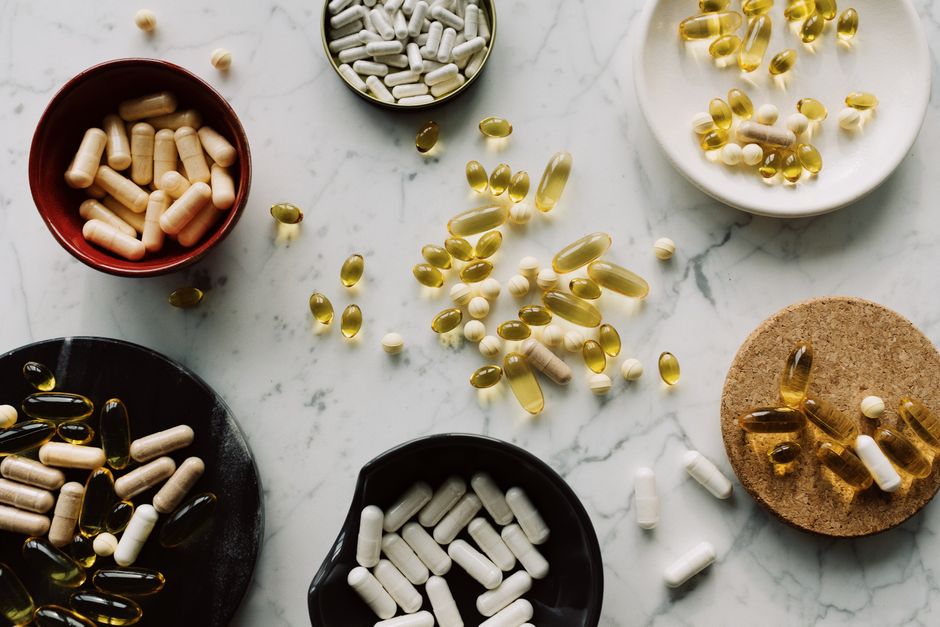
Taking probiotics on an empty stomach is generally recommended, but the full answer is more specific than that. Most research shows that taking probiotics 30 minutes before a meal or first thing in the morning improves survival of the bacteria through your stomach acid. However, this advice depends on the specific probiotic strain and the type of delivery system used. The goal is to get live bacteria into your intestines alive, and timing is one tool that helps.
Why Does Stomach Acid Matter for Probiotics?
Your stomach produces acid to break down food and kill harmful bacteria. This acid is strong, with a pH around 1.5 to 3.5 when your stomach is empty. When you eat food, the pH rises because food dilutes the acid. This is the key fact to understand.
Probiotics are live bacteria. They are sensitive to acid. If you take them when your stomach acid is strongest, fewer bacteria survive. If you take them when acid is weaker, more bacteria pass through to your intestines. The timing of your dose changes how much acid the bacteria face.
Some studies suggest that taking probiotics on an empty stomach reduces the time they spend in the acid environment. Food can slow down stomach emptying. An empty stomach moves contents into the small intestine faster. This shorter exposure to acid may help more bacteria survive.
Is It Best To Take Probiotics On An Empty Stomach?
For many common probiotic supplements, yes. Taking them 30 minutes before breakfast or before bed on an empty stomach is a solid approach. The evidence for this comes from how stomach acid behaves and from studies on bacterial survival rates.
When your stomach is empty, the pH is very low. But the stomach empties quickly. If you take a probiotic right when you wake up, the bacteria move through your stomach in about 20 to 30 minutes. When you take it with a meal, the stomach holds the contents for 2 to 4 hours. Even though the pH is higher with food, the longer exposure time can kill more bacteria.
One study found that taking a specific probiotic strain with a meal reduced its survival compared to taking it on an empty stomach. This is not true for every strain, but it is true for many common ones like Lactobacillus and Bifidobacterium species. These bacteria are acid-sensitive, so minimizing their time in acid helps.
Some probiotic manufacturers recommend taking their product with food. Always check the label. If the label says take with food, follow that instruction. The company tested their product under those conditions. If the label is silent, empty stomach is a safe default.
What About Probiotics in Capsules vs. Powders?
The form of your probiotic changes how timing matters. Capsules are often designed to protect bacteria from stomach acid. Many probiotic capsules are enteric-coated, meaning they dissolve only in the small intestine. This coating bypasses the acid problem entirely.
For enteric-coated capsules, timing matters less. The coating protects the bacteria regardless of when you take them. You can take these with or without food. The manufacturer usually tests both conditions, so follow the label.
Powders and chewable probiotics have no protective coating. The bacteria are directly exposed to stomach acid. For these forms, taking them on an empty stomach is more important. The faster transit time helps more bacteria survive. Taking a powder probiotic with a heavy meal may reduce its effectiveness.
Some powders are formulated to be mixed with cool or room-temperature water. Never mix probiotics with hot liquids. Heat kills live bacteria. This is true for all forms of probiotics.

Does Food Help or Hurt Probiotic Survival?
Food does two things that affect probiotics. First, it raises the pH of your stomach, making it less acidic. Second, it slows down stomach emptying, keeping bacteria in the acid environment longer. These effects work against each other.
Some foods buffer acid better than others. A small amount of plain yogurt or milk can raise stomach pH significantly. A high-protein meal keeps the stomach acidic longer. A low-fat, low-protein snack like a banana may raise pH briefly without slowing emptying too much.
Some research suggests that taking probiotics with a small amount of fat or protein improves survival. The theory is that the food protects the bacteria from direct acid contact. But the evidence is mixed. One study found that taking a probiotic with oatmeal improved survival compared to water alone. Another study found no difference.
For most people, the simplest approach is to take probiotics on an empty stomach. If you experience digestive discomfort when taking them this way, try taking them with a light snack like a cracker or a small piece of fruit. Discomfort is usually temporary as your gut adjusts.
Does Probiotic Timing Matter for Different Strains?
Yes. Different bacteria have different acid tolerance. Some strains are naturally more resistant to stomach acid. Others are fragile and need more protection.
Saccharomyces boulardii is a yeast, not a bacterium. It is naturally resistant to stomach acid and antibiotics. Timing does not matter much for this strain. You can take it with or without food.
Lactobacillus acidophilus and Bifidobacterium lactis are more acid-sensitive. These benefit from empty stomach timing or enteric-coated capsules. Lactobacillus rhamnosus GG is moderately acid-tolerant and may survive reasonably well in either condition.
Spore-forming probiotics like Bacillus coagulans are highly resistant to acid. They form protective spores that survive stomach acid easily. Timing matters very little for these strains. They are often marketed as shelf-stable and stomach-acid resistant.
If you do not know which strain your probiotic contains, check the label for the genus, species, and strain designation. If the label only says “probiotic blend” without specific strains, the quality is questionable. Reputable products list the exact strains.
Should You Take Probiotics in the Morning or at Night?
Morning and night are both empty stomach times. The choice depends on your routine and your digestive patterns.
Morning has an advantage. Your stomach has been empty all night. Stomach acid production is lowest in the morning after waking. Taking probiotics right after waking, 30 minutes before breakfast, gives them the shortest and least acidic journey through your stomach.
Nighttime also works. If you take probiotics before bed, your stomach is empty from dinner. However, stomach acid production increases during sleep for some people. This is less predictable than morning timing.
The most important factor is consistency. Taking your probiotic at roughly the same time every day helps maintain a steady level of beneficial bacteria in your gut. Pick a time you can stick with. If morning works for you, do that. If you forget in the morning, take them before bed.
Avoid taking probiotics immediately after a large meal. The slow stomach emptying combined with food buffering can work against bacterial survival. Waiting 2 to 3 hours after eating is better than taking them right after.
What If You Take Probiotics With Antibiotics?
This is a special case. Antibiotics kill bacteria, including the probiotic bacteria you are trying to introduce. Taking probiotics at the same time as antibiotics is wasteful.
Take your probiotic 2 to 3 hours apart from your antibiotic dose. This gives the antibiotic time to leave your system before the probiotic enters. Many people take their antibiotic with breakfast and their probiotic before bed. This spacing works well.
Some research suggests that taking probiotics during antibiotics reduces antibiotic-associated diarrhea. But the timing matters. Taking them too close together reduces the benefit. Separating them by at least 2 hours is the standard recommendation.
Continue taking probiotics for at least 1 to 2 weeks after finishing antibiotics. This helps restore your gut microbiome. The same timing rules apply during this recovery period.
Do You Need to Take Probiotics Every Day?
Probiotics do not permanently colonize your gut. They pass through your digestive system and are eliminated within a few days. Taking them daily maintains a steady supply of beneficial bacteria in your intestines.
Missing a day is not a problem. Your gut bacteria levels will drop slightly but will recover with your next dose. Consistency matters more than perfection. Taking a probiotic 5 out of 7 days is better than taking it sporadically.
Some people cycle probiotics, taking them for a few weeks and then stopping. There is no strong evidence that cycling is better than continuous use. The effect of probiotics is temporary. Once you stop taking them, the bacterial levels return to baseline within 1 to 3 weeks.
If you are taking probiotics for a specific condition like antibiotic-associated diarrhea or irritable bowel syndrome, follow the dosing schedule that was studied for that condition. Most studies use daily dosing for 4 to 12 weeks.
Are There Side Effects of Taking Probiotics?
Most people tolerate probiotics well. Some experience mild digestive symptoms like gas, bloating, or changes in bowel movements during the first few days. This is usually temporary as your gut adjusts to the new bacteria.
Taking probiotics on an empty stomach may increase these initial symptoms for some people. If you find the discomfort bothersome, try taking the probiotic with a light snack. The symptoms typically resolve within a week.
People with weakened immune systems, such as those on chemotherapy or with organ transplants, should consult their doctor before taking probiotics. In rare cases, probiotics can cause infections in these individuals. This is uncommon but important to know.
If you have a history of pancreatitis or are critically ill, discuss probiotics with your healthcare provider first. Some studies have shown risks in these specific populations. For healthy adults, probiotics are considered safe.
Frequently Asked Questions
Can I take probiotics with coffee?
No, hot coffee can kill live probiotic bacteria. Wait at least 30 minutes after taking your probiotic before drinking coffee, or take your probiotic with cool water only.
How long should I wait after eating to take probiotics?
Wait 2 to 3 hours after a meal for your stomach to empty and acid levels to drop. Taking probiotics closer than 2 hours after eating reduces their survival.
Do refrigerated probiotics work better than shelf-stable ones?
Refrigerated probiotics often contain more fragile strains that require cold storage to stay alive, but shelf-stable probiotics can be equally effective if formulated correctly. Follow storage instructions on the label for best results.
Can I take probiotics with apple cider vinegar?
No, apple cider vinegar is highly acidic and can kill probiotic bacteria. Take your probiotic with plain water and avoid acidic beverages for at least 30 minutes before and after your dose.
