
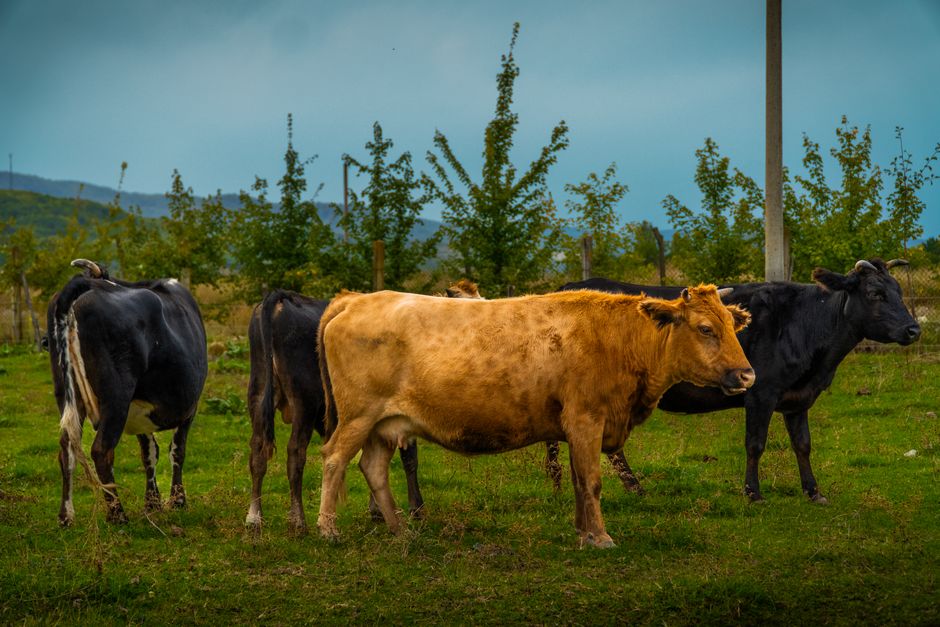
No — cows are not the only female cattle, and bulls are not a separate species. “Cow” is the everyday word for an adult female bovine, usually one that has given birth. Males are called bulls (intact) or steers (castrated), and young cattle of either sex are calves.
The confusion comes from how English uses animal names. We borrow a general term for the whole group and then also use it for one specific sex. That is why a field of mixed cattle might casually be called “cows” even though some of the animals are male. The biology is straightforward once you separate the species from the sex.
What Is the Difference Between a Cow, a Bull, and a Steer?
The word “cattle” describes the species as a whole. Cow, bull, steer, heifer, and calf describe individual animals by sex and age. Cattle is the neutral term; the others are not.
A cow is an adult female. In farming, the word usually means a female that has had at least one calf. A female that has not yet calved is called a heifer.
A bull is an adult male that has not been castrated. Bulls are kept mainly for breeding. A steer is a male that was castrated young. Steers are common in beef production because castration reduces aggression and makes handling safer.
A calf is a young bovine of either sex, generally under a year old. A castrated male calf may be called a bullock in some regions.
- Cow — adult female, usually after calving
- Heifer — female that has not calved
- Bull — intact adult male
- Steer — castrated male
- Calf — young animal of either sex
One point that surprises people: a heifer is female, but calling her a cow before she has calved is technically premature. In everyday speech almost nobody makes that distinction. In livestock records, the difference matters.
Are All Cows Female by Definition?
Yes. By strict definition, a cow is female. If an animal is male, it is not a cow, no matter how the word is used in casual conversation.
The trouble is that “cow” also functions as a loose label for cattle in general. Someone might say “the cows are in the north pasture” while the herd includes bulls, steers, and calves. That is imprecise but extremely common.
You see the same pattern with other animals. “Dog” covers both sexes. “Duck” is often used for the whole species even though the male is properly a drake. English animal names mix general and sex-specific meanings constantly, and cattle are no exception.
So the accurate answer depends on which sense of the word you mean. As a biological term, cow means female. As a casual label, it often means “cattle,” which includes males.
Can a Cow Ever Be Male?
No. A male bovine cannot be a cow, because cow is a sex-specific term. What can happen is that a male gets called a cow by mistake or by loose habit.
There is one genuine edge case worth knowing. Occasionally a heifer is born with a condition called freemartinism. This happens when a female calf shares a womb with a male twin. Hormones and shared blood supply during development can leave the female’s reproductive tract underdeveloped. A freemartin is genetically female but is usually sterile.
That is a female with abnormal development, not a male. It does not change the definition. It does explain why some heifers never breed successfully, and why cattle breeders pay attention when twins of different sexes are born.





Why Do People Say “Cows” When They Mean Cattle?
Language drifts toward the most familiar word. Most people meet cattle as dairy cows or as beef from female animals, so “cow” becomes the default label for the whole group.
Dairy farming reinforces this. A dairy herd is mostly female by design. Only a small number of bulls are needed for breeding, and many farms use artificial insemination instead of keeping a bull at all. So when someone pictures a dairy operation, they are picturing cows, and the word sticks.
Beef operations look different. A herd may include cows, calves, steers, and a bull or two. A visitor might still call the whole group “cows.” The animals do not care, but the terms carry real meaning in agriculture, auctions, and veterinary records.
How Can You Tell Male and Female Cattle Apart?
Adult bulls and cows are usually easy to distinguish once you know what to look for. The differences are more obvious in mature animals than in calves.
Bulls are generally larger and more muscular, especially through the neck and shoulders. They develop a thick neck crest. Their heads look broader and heavier. Cows tend to have a finer build and a narrower head.
The most reliable difference is anatomy. Bulls have external male reproductive organs. Cows have an udder, though a heifer or a dry cow may show very little. Horns are not a guide — both sexes can have them, and many cattle are dehorned or bred to be naturally hornless.
Behavior differs too, but not reliably enough to use as a test. Bulls can be more aggressive, particularly during breeding season. That said, cows with young calves can be extremely protective as well. Never approach unfamiliar cattle to check their sex. The risk is not worth the answer.
Does the Word “Cow” Mean Something Else in Other Contexts?
Yes, and the other meanings cause some of the confusion. “Cow” is also a verb meaning to intimidate someone. That usage has nothing to do with cattle.
The word is also applied to females of several other large mammal species. Female elephants, moose, whales, and manatees are all commonly called cows. Female seals and hippos too. In each case the male has a separate name, such as bull elephant or bull moose.
This broader pattern is why “cow” reads as “female of a large animal” to many English speakers. It is a naming convention, not a claim about cattle specifically. When a wildlife documentary mentions a cow elephant, nobody thinks the animal is a domestic bovine.
Does Sex Determine What Happens to Cattle on a Farm?
Sex and reproductive status shape nearly everything about how cattle are managed. Female and male animals often follow different paths from birth.
Heifers may be raised to join the milking herd, kept as breeding stock, or sent to beef production. Cows are bred, calved, and milked in dairy systems, or used to produce calves in beef herds. Bulls are kept for breeding or, less commonly now, raised for meat. Most male calves in dairy systems are not kept for breeding.
Castration is a standard practice for male cattle not intended for breeding. It reduces aggression and improves meat quality in some production systems. The timing and method vary, and animal welfare standards around the practice differ by country and continue to be debated.
Dairy and beef production also differ in which animals are central. A dairy farm revolves around lactating females. A beef operation raises both sexes, with steers and heifers commonly going to market. The word “cow” only accurately describes part of either system.
Frequently Asked Questions
Are cows only female?
Yes, by definition a cow is an adult female bovine, usually one that has calved. Male cattle are bulls if intact or steers if castrated.
What is a male cow called?
There is no such thing as a male cow. An intact adult male is a bull, and a castrated male is a steer.
Is a heifer a cow?
A heifer is a female bovine that has not yet given birth. Many people call her a cow, but in farming and veterinary terms she becomes a cow only after calving.
Can a cow have horns?
Yes, both female and male cattle can have horns. Horns are not a reliable way to tell the sexes apart.
