
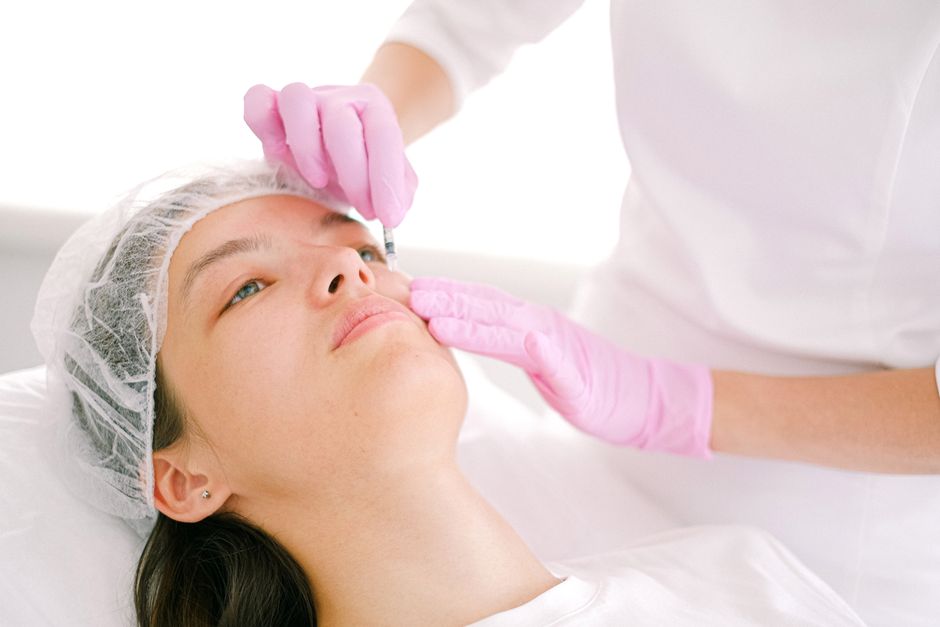
If you get Botox for hyperhidrosis, the results typically last between 4 and 12 months. Most people see about 6 to 8 months of dryness before sweating returns. The exact duration depends on your body, the treatment area, and how many units you receive. Unlike cosmetic Botox which wears off faster, sweat gland injections often last longer because the glands are less active than facial muscles.
How Long Does Botox For Hyperhidrosis Last in Different Body Areas?
The answer changes depending on where you get the injections. Underarm treatments tend to last the longest. Many patients report 8 to 12 months of relief from excessive armpit sweating. The American Academy of Dermatology notes that underarm results are especially durable because the skin there is thicker and the sweat glands are more concentrated.
Hand and foot injections do not last as long. Palm and sole treatments typically wear off after 4 to 6 months. The skin on your hands and feet is thinner, and you use these areas constantly throughout the day. Your body also metabolizes Botox faster in these spots. Some people need touch-ups as early as 3 months for hands.
Forehead and scalp treatments for sweating fall somewhere in the middle. Most people get 5 to 7 months of relief. The exact timeline varies based on your activity level and metabolism.
What Factors Affect How Long Botox for Hyperhidrosis Lasts?
Your individual metabolism plays a big role. People with faster metabolisms break down Botox more quickly. This is genetic and you cannot change it. Age also matters. Younger patients often find the effects wear off sooner because their bodies process the toxin faster.
The dose you receive directly affects duration. A standard underarm treatment uses 50 to 100 units per armpit. Higher doses generally last longer but increase the risk of temporary weakness in nearby muscles. Your doctor determines the right amount based on your sweat severity and body size.
Your activity level matters too. People who exercise heavily or have physically demanding jobs may notice the effects fade earlier. Sweating itself does not break down Botox, but increased blood flow to the treated area can speed up how fast your body clears the toxin. This is a real effect, though the difference is usually only a few weeks.
One factor that does not matter much is how many times you have had the treatment. Some clinics claim that Botox lasts longer with each session. Research published in the Journal of the American Academy of Dermatology found no consistent evidence for this. Your results will likely stay similar from session to session.
How Does the Duration of Botox for Hyperhidrosis Compare to Other Treatments?
Botox is not the only option for excessive sweating, and it is important to know how the timeline stacks up. Here is a comparison of common hyperhidrosis treatments and how long they last.
| Treatment | Typical Duration | Key Notes |
|---|---|---|
| Botox injections | 4 to 12 months | Most effective for underarms. Requires needle injections every 6-8 months. |
| Antiperspirants (clinical strength) | 24 hours per application | Must apply daily. Works for mild to moderate cases. Inexpensive. |
| Oral medications (anticholinergics) | 4 to 12 hours per dose | Take as needed. Side effects like dry mouth and blurred vision are common. |
| Iontophoresis | Continuous with maintenance | Requires weekly sessions after initial treatment. Best for hands and feet. |
| MiraDry (microwave therapy) | Permanent reduction | Only for underarms. Destroys sweat glands. Expensive and not reversible. |
| Surgery (sympathectomy) | Permanent | Risky. Can cause compensatory sweating elsewhere. Rarely recommended. |
Botox sits in the middle of the spectrum. It is not permanent, but it lasts far longer than daily treatments. For many people, the trade-off of getting injections twice a year is worth not thinking about sweating every day.





What Does Research Say About How Long Botox for Hyperhidrosis Lasts?
Multiple studies have tracked Botox duration for hyperhidrosis. A 2020 review in the Cochrane Database of Systematic Reviews looked at 25 clinical trials. The researchers found that Botox reduced sweating by at least 80% in most patients. The average time before sweating returned was 7 months for underarm treatments.
Another study published in Dermatologic Surgery followed 120 patients for two years. They found that 70% of underarm patients still had reduced sweating at 9 months. Only 15% needed retreatment before 6 months. Hand and foot patients needed retreatment sooner, with most returning at 5 months.
Long-term data is reassuring. A 2018 study in the Journal of the European Academy of Dermatology and Venereology tracked patients who had received Botox for hyperhidrosis for five years. They found no loss of effectiveness over time. The duration did not get shorter with repeated treatments. This contradicts a common myth that your body builds resistance to Botox for sweating.
One important note: these studies used the standard Botox formulation (onabotulinumtoxinA). Newer formulations like abobotulinumtoxinA and incobotulinumtoxinA may have slightly different durations. The difference is small, usually a few weeks at most. Your doctor can tell you which type they use and what to expect.
What to Expect During the Waiting Period After Botox Injections
Botox does not work instantly. You will not see results right after the injections. It takes 2 to 7 days for the toxin to block the nerve signals to your sweat glands. Full effects usually appear by day 14. Do not judge the treatment in the first week.
During this waiting period, you may still sweat normally. This is expected. The Botox is working, but it needs time to bind to the nerve endings. Some people feel a mild burning or stinging at the injection sites for a few hours. This is normal and fades quickly.
After the two-week mark, you should notice a significant drop in sweating. Most people describe it as a feeling of dryness they have not experienced in years. For underarm treatments, the area may feel slightly numb to touch. This is temporary and resolves as the Botox wears off.
Do not expect zero sweating. Botox blocks the chemical signal that tells sweat glands to activate, but it does not destroy the glands. Some minimal sweating is normal, especially during intense exercise or in extreme heat. The goal is reduction, not elimination.
How to Make Botox for Hyperhidrosis Last Longer
There is no proven way to extend the duration beyond what your body naturally allows. But there are a few things that may help you get the most out of each session.
- Schedule retreatment before sweating fully returns. Some doctors recommend getting your next round at the first sign of sweat returning. This keeps the glands suppressed and may help maintain consistent results. Waiting until you are back to full sweating means starting from scratch.
- Avoid massaging the treated area for 48 hours. Rubbing or pressing on the injection sites can spread the Botox to nearby muscles. This reduces the dose available for sweat glands and can shorten duration. Your doctor will tell you to keep the area still for two days.
- Stay hydrated before your appointment. Dehydration can make the injections more painful and may affect how evenly the Botox spreads. Drink water normally before your session.
- Skip alcohol for 24 hours before treatment. Alcohol thins the blood and increases bruising. Bruising does not affect duration, but it can make the recovery less comfortable.
One thing that does not help is taking supplements. There is no clinical evidence that vitamin B, zinc, or any other supplement extends Botox duration. Save your money.
Common Misconceptions About Botox Duration for Hyperhidrosis
A widespread myth is that Botox stops working after a few treatments. This is false. Research consistently shows no loss of effectiveness over years of use. If your sweating returns after 6 months and you get another round, the second round will work just as well as the first.
Another misconception is that you can speed up how fast Botox wears off. Some people believe that exercising more or taking hot showers will flush the Botox out faster. This is not how it works. Botox breaks down at a rate determined by your body’s natural metabolism. External factors have minimal effect.
Some clinics claim that Botox lasts longer if you avoid caffeine or certain foods. There is no scientific basis for this. The only dietary factor that matters is alcohol before the injection, which increases bruising. After the treatment, eat and drink normally.
Finally, do not confuse Botox for hyperhidrosis with cosmetic Botox for wrinkles. The doses are much higher for sweating. A cosmetic treatment for frown lines uses about 20 units. An underarm treatment uses 100 units or more. The higher dose is why the effects last longer for sweating than for wrinkles.
Frequently Asked Questions
How long does Botox for hyperhidrosis last the first time?
The first treatment typically lasts 6 to 8 months for underarms and 4 to 6 months for hands and feet. This is similar to subsequent treatments.
Does Botox for hyperhidrosis last longer with each treatment?
No. Research shows the duration stays consistent from session to session. There is no evidence that Botox lasts longer after multiple treatments.
Can I get Botox for hyperhidrosis more than once a year?
Yes. Most people need treatment every 6 to 8 months. Your doctor will determine the right schedule based on when your sweating returns.
Will my sweating come back worse after Botox wears off?
No. Your sweating returns to its original level, not worse. There is no rebound effect with Botox for hyperhidrosis.
