
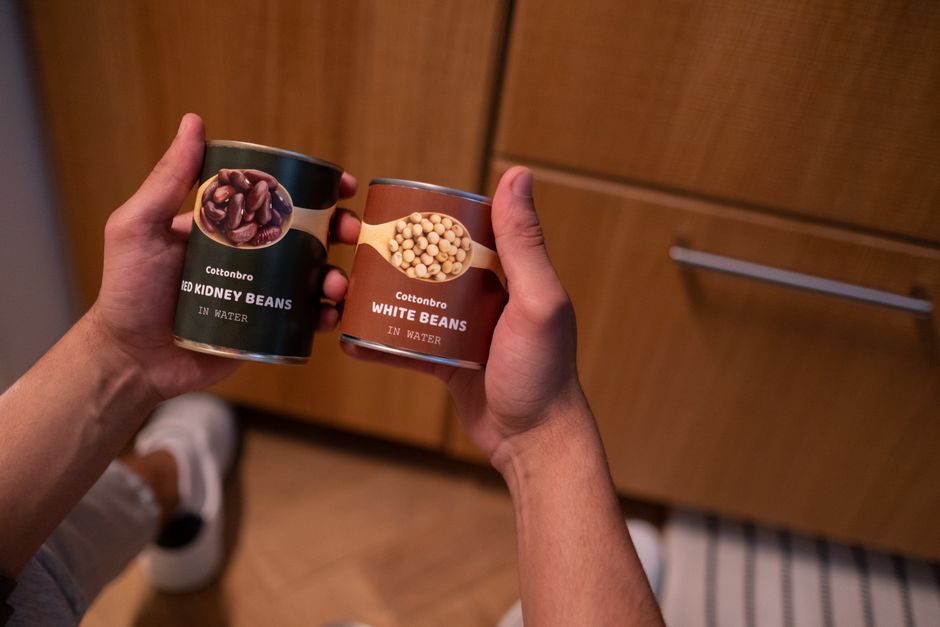
Canned green beans are a healthy, convenient vegetable option that most people can include in a regular diet. They retain many of the essential nutrients found in fresh green beans, including fiber, vitamin K, and folate. The main health considerations come down to sodium content and the canning process itself, both of which are easy to manage with simple preparation steps.
What Nutrients Do Canned Green Beans Provide?
Canned green beans are picked at peak ripeness and processed within hours, which locks in many nutrients. They are naturally low in calories and contain no fat or cholesterol. A standard half-cup serving provides about 2 grams of fiber, which supports digestive health and helps you feel full.
These beans are a solid source of vitamin K, which plays a central role in blood clotting and bone metabolism. They also provide folate, a B vitamin important for cell division and DNA synthesis. For pregnant women, folate is especially critical for fetal development, though fresh or frozen beans typically deliver higher amounts.
The canning process does reduce some heat-sensitive vitamins. Vitamin C and certain B vitamins decline during the high-heat sterilization process. However, minerals like iron, potassium, and calcium remain largely stable through canning.
Is the Sodium Content a Problem?
Sodium is the biggest health concern with canned green beans. Manufacturers add salt during processing to preserve color, texture, and flavor. A single half-cup serving of regular canned green beans can contain 300 to 400 milligrams of sodium. That is roughly 13 to 17 percent of the recommended daily limit of 2,300 milligrams.
For people with high blood pressure, kidney disease, or heart conditions, that amount adds up quickly. Even healthy adults should be mindful, since most Americans already consume more sodium than recommended.
The fix is straightforward. Draining and rinsing canned green beans under running water for 30 seconds can reduce sodium by about 40 percent. Choosing “no salt added” or “low sodium” varieties eliminates the problem entirely. These versions contain only the small amount of naturally occurring sodium in the beans themselves, typically under 10 milligrams per serving.
How Do Canned Green Beans Compare to Fresh and Frozen?
Fresh green beans are often considered the gold standard, but that is not always true. Fresh beans lose nutrients during transport and storage. By the time they reach your kitchen, they may have been sitting for days or weeks. Canned beans are processed immediately after harvest, which can preserve certain nutrients better than older fresh produce.
Frozen green beans generally retain more nutrients than canned because they are blanched briefly and then flash-frozen. The blanching process deactivates enzymes that cause spoilage, but it does not degrade nutrients as much as the prolonged heat of canning.
Here is a practical comparison:
- Fresh: Best texture and highest vitamin C when eaten soon after harvest. Nutrient loss accelerates with storage time.
- Frozen: Nutrient content closest to fresh. No added sodium. Convenient and shelf-stable in the freezer.
- Canned: Most convenient and longest shelf life. Higher sodium unless rinsed or purchased without added salt. Slightly lower in heat-sensitive vitamins.
All three forms count as a serving of vegetables. The best choice depends on your budget, time, and access to fresh produce.





Do Canned Green Beans Contain Harmful Additives or Chemicals?
Most canned green beans contain just green beans, water, and salt. Some brands add calcium chloride, a firming agent that helps beans keep their structure during processing. Calcium chloride is generally recognized as safe by food safety authorities and actually adds a small amount of calcium to the final product.
The can lining is a separate consideration. Many cans are lined with a material containing BPA (bisphenol A), a compound used to prevent corrosion and metal from leaching into food. Research on BPA has raised concerns about its effects on hormones, reproduction, and development. The FDA has determined that current levels of BPA exposure from food packaging are safe, but many consumers prefer to avoid it.
Most major manufacturers now use BPA-free linings. If you want to be certain, check the label or the manufacturer’s website. Acidic foods like tomatoes are more likely to leach BPA from linings than low-acid foods like green beans, so the risk here is lower to begin with.
Are Canned Green Beans as Good for Weight Management?
Yes. Canned green beans are very low in calories while providing fiber and water volume, both of which promote satiety. A half-cup serving contains roughly 20 calories. You can eat a generous portion and still keep your calorie intake low.
The fiber in green beans slows digestion and helps stabilize blood sugar after meals. This makes them a reasonable choice for people managing type 2 diabetes or trying to control appetite. The low energy density means they add bulk to meals without adding many calories.
One caution: the added sodium in regular canned beans can cause temporary water retention, which shows up as a small increase on the scale. This is not fat gain and resolves once sodium levels return to normal. Rinsing the beans or buying no-salt-added versions avoids this effect.
What Is the Healthiest Way to Eat Canned Green Beans?
The healthiest approach starts with the product you choose. Look for “no salt added” or “low sodium” on the label. If only regular canned beans are available, drain and rinse them thoroughly before cooking. This single step cuts sodium substantially.
How you prepare them matters too. Heating canned green beans in their own liquid or with a small amount of olive oil is a healthy choice. Adding butter, bacon, or heavy cream sauces increases saturated fat and calories, which can offset the nutritional benefits.
Seasoning with garlic, onion powder, black pepper, or a squeeze of lemon adds flavor without sodium. A small amount of olive oil also helps your body absorb the fat-soluble vitamin K. This is a simple, evidence-based pairing that improves nutrient uptake.
Some people worry that reheating canned vegetables destroys their nutrients. In practice, gentle reheating causes minimal additional nutrient loss. The beans are already cooked during canning, so you only need to warm them through. Boiling them for extended periods will leach more vitamins into the cooking water, so keep the heat moderate and the time short.
Are There Any Downsides to Eating Canned Green Beans Regularly?
For most people, the downsides are minor and manageable. The main issues are sodium content, which can be addressed, and the slight reduction in heat-sensitive vitamins compared to fresh or frozen.
People who need to strictly limit potassium should be aware that green beans contain moderate amounts of this mineral. This applies mainly to individuals with advanced kidney disease who are on a potassium-restricted diet. For everyone else, the potassium in green beans is beneficial for blood pressure regulation and muscle function.
Some canned green beans have a softer texture than fresh or frozen versions. This is not a health issue, but it can affect how you use them in recipes. They work well in soups, stews, and casseroles where a softer texture is expected. For crisp-tender beans, fresh or frozen is the better choice.
Frequently Asked Questions
Are canned green beans as nutritious as fresh green beans?
Canned green beans are slightly lower in heat-sensitive vitamins like vitamin C, but they retain fiber, vitamin K, and minerals well. They are a legitimate vegetable serving and a healthy choice, especially when fresh produce is not available.
Should I rinse canned green beans to reduce sodium?
Yes, rinsing canned green beans under running water for about 30 seconds can reduce sodium by roughly 40 percent. Choosing no-salt-added varieties eliminates the sodium concern entirely.
Can I eat canned green beans every day?
Yes, most people can safely eat canned green beans daily as part of a balanced diet. Choose low-sodium or no-salt-added versions and vary your vegetables to ensure you get a wide range of nutrients.
Are the BPA linings in cans a health risk?
The FDA considers current BPA exposure from food packaging safe, but many manufacturers now use BPA-free linings. If you prefer to avoid BPA, look for brands that label their cans as BPA-free.
