
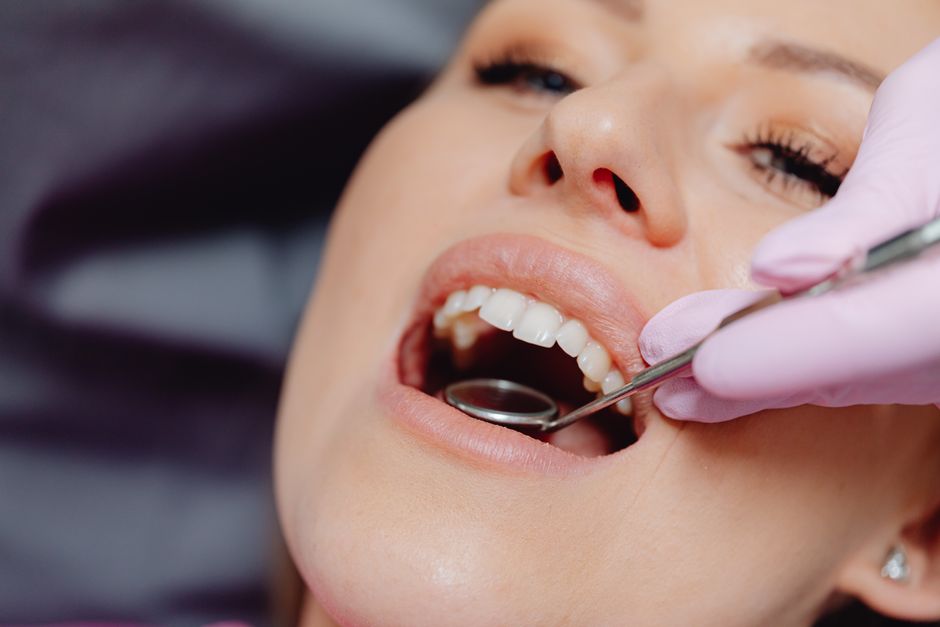
Healthy gums don’t bleed when you brush, aren’t swollen, and hold your teeth firmly in place. If yours are red, puffy, or bleed at the sink, that is a sign of gum inflammation, and it is reversible in its early stages. The steps that work are consistent and unglamorous: remove plaque thoroughly every day, stop irritating the tissue, and get a professional assessment if bleeding continues past a couple of weeks.
What Actually Causes Unhealthy Gums?
Gum disease starts with plaque. Plaque is a sticky film of bacteria that forms on teeth within hours of brushing. When it sits along the gumline, the bacteria trigger an immune response. Your body sends blood and inflammatory cells to the area, which is why gums turn red, swell, and bleed easily.
If plaque stays put for roughly two to three days, it hardens into tartar, also called calculus. Tartar cannot be removed with a toothbrush. It has to be scraped off by a dental professional. Once tartar forms, it gives bacteria a rough surface to cling to, and the inflammation becomes harder to reverse on your own.
This early stage is called gingivitis. The key fact about gingivitis is that the damage is confined to the gums. The tissue is inflamed but the structures holding your teeth in place are still intact. At this point, the condition can be reversed.
If gingivitis goes untreated, it can progress to periodontitis. In periodontitis, the inflammation spreads below the gumline and starts breaking down the bone and ligament that anchor teeth. This damage is not reversible with brushing alone. It requires clinical treatment, and in some cases it becomes a long-term management problem rather than something that goes away.
The distinction matters because the steps that help early gum inflammation are not the same as the steps that manage advanced disease.
How To Make Your Gums Healthy Again Steps That Work
The core of gum health is plaque control. Everything else supports that goal.
Brush correctly, not just often
Most people brush too hard and too fast. Hard brushing does not remove more plaque, but it does wear down gum tissue over time. Use a soft-bristled brush and hold it at a 45-degree angle toward the gumline. Move it in small circles rather than sawing back and forth.
Two minutes, twice a day, is the standard recommendation. Plaque starts reforming within hours, so skipping a session gives bacteria a head start. An electric toothbrush can help if you tend to brush too aggressively, because many models have pressure sensors that warn you when you push too hard.
Clean between your teeth every day
A toothbrush cannot reach the space between teeth or under the gumline in those gaps. That is where gum disease often starts. Floss, interdental brushes, or water flossers all work, but the evidence suggests that interdental brushes and floss remove plaque more effectively than water alone in most people.
If you find floss awkward, ask a hygienist to show you the technique. Improper flossing can cut the gum and cause bleeding, which discourages people from continuing. Done correctly, some bleeding in the first week or two is common and usually settles as the tissue heals.
Use the right toothpaste
Fluoride toothpaste protects teeth, but for gum health specifically, some products contain stannous fluoride or other antibacterial ingredients. The evidence for these ingredients is moderate. They can reduce plaque and gingivitis somewhat, but they are not a substitute for mechanical cleaning.
There is no toothpaste that removes tartar. Once calculus has formed, only a professional cleaning can remove it.
Stop smoking and vaping
Smoking is one of the strongest risk factors for gum disease. It reduces blood flow to the gums, which masks the bleeding that would normally warn you something is wrong. Smokers often have more advanced disease with fewer visible symptoms. Quitting is one of the single most effective things you can do for your gums, though it takes time for the tissue to recover.
Manage blood sugar if you have diabetes
High blood sugar increases the risk and severity of gum disease. The relationship runs both ways. Poorly controlled diabetes makes gum disease worse, and gum inflammation can make blood sugar harder to control. If you have diabetes, keeping it well managed is part of gum care.
When Do You Need a Professional Cleaning?
If your gums bleed when you brush or floss, and it does not stop within two weeks of consistent home care, see a dentist or hygienist. Bleeding that persists is a sign that plaque or tartar is still present below the gumline where your brush cannot reach.
A professional cleaning removes plaque and tartar from above and below the gumline. For early gingivitis, this is often enough to let the gums heal. For periodontitis, a deeper cleaning called scaling and root planing may be needed. This removes bacteria from the pockets that form between the gum and tooth.
Some clinicians recommend cleanings every six months, but the right interval depends on your individual risk. People with a history of gum disease, smokers, and those with diabetes often need more frequent visits. There is no single schedule that fits everyone.
Signs that you should not wait include gums that pull away from the teeth, persistent bad breath, loose teeth, or a change in how your teeth fit together when you bite. These can indicate that the supporting structures are already affected.





What Home Remedies Help and What They Don’t
Some rinses and gels have modest evidence behind them. Chlorhexidine mouthwash, available by prescription, reduces plaque and gingivitis, but it can stain teeth with long-term use. Some clinicians recommend it short-term after gum treatment.
Essential oil mouthwashes have some evidence for reducing plaque and gingivitis, though generally less than chlorhexidine. They are not a replacement for brushing and flossing.
Saltwater rinses can soothe irritated tissue but do not kill the bacteria that cause gum disease. Oil pulling, aloe vera, and herbal rinses have limited or mixed evidence. No home remedy removes tartar, and none reverses periodontitis.
Be cautious with any product that claims to cure gum disease. If a claim sounds like a cure, it is almost certainly overstated.
How Long Does It Take for Gums to Heal?
For early gingivitis, bleeding and swelling often improve within one to two weeks of consistent plaque removal. Full healing of the gum tissue can take a few weeks longer. If you have not seen improvement after two weeks of good home care, the problem is likely below the gumline and needs professional attention.
For periodontitis, the timeline is different. Treatment can stop the progression and reduce inflammation, but lost bone and gum tissue do not grow back. Management becomes ongoing, with regular monitoring to prevent recurrence. This is not a condition you fix once and forget.
What Raises Your Risk for Gum Problems?
Several factors make gum disease more likely or more severe:
- Smoking or vaping
- Poorly controlled diabetes
- Hormonal changes, including pregnancy and menopause
- Certain medications that cause dry mouth or gum overgrowth
- Genetics and family history
- Poor nutrition, especially low vitamin C intake
- Crooked teeth or fillings that make cleaning difficult
- Conditions that affect the immune system
Dry mouth is an underrecognized factor. Saliva helps wash away food and bacteria. When saliva flow drops, plaque builds up faster. Many common medications, including some antidepressants and blood pressure drugs, reduce saliva. If your mouth feels dry often, mention it to your dentist.
Can You Reverse Gum Disease Completely?
Gingivitis can be reversed. Periodontitis cannot be cured in the sense of restoring lost bone, but it can be managed. Treatment aims to stop progression, reduce inflammation, and keep the disease from getting worse.
The earlier gum disease is caught, the better the outcome. This is why regular dental visits matter even when nothing hurts. Gum disease is often painless in its early stages, and by the time it causes discomfort, damage may already be present.
What Daily Habits Protect Your Gums Long Term?
Consistency beats intensity. A few habits, done most days, matter more than occasional deep cleaning.
- Brush twice daily with a soft brush for two minutes
- Clean between teeth once a day
- Use fluoride toothpaste
- Avoid tobacco
- Limit sugary drinks and snacks, which feed plaque bacteria
- Drink water, especially if your mouth feels dry
- See a dentist regularly for assessment and cleaning
If you wear a night guard, dentures, or braces, keep them clean. They can trap plaque against the gums if not maintained. Ask your dentist or orthodontist how to clean them properly.
Frequently Asked Questions
Can gums grow back after receding?
Gums do not grow back on their own once they have receded. A gum graft is a surgical procedure that can cover exposed roots, but it is not always necessary and depends on the cause and severity.
How long does it take for bleeding gums to stop?
With consistent brushing and flossing, bleeding often improves within one to two weeks. If it continues past two weeks, see a dentist to check for tartar or deeper pockets.
Does saltwater rinse cure gum disease?
No. Saltwater can soothe irritated gums but does not remove plaque or tartar and does not treat the bacterial cause of gum disease.
Is gum disease contagious?
The bacteria involved in gum disease can be passed through saliva, such as by sharing utensils or kissing, but exposure alone does not mean someone will develop the disease. It depends on oral hygiene and other risk factors.
