
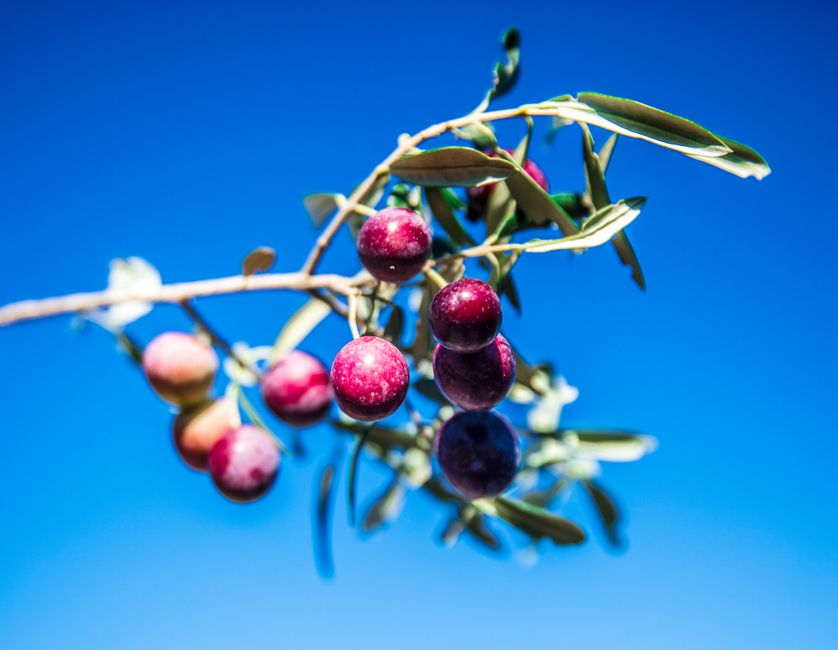
Black olives are a genuinely healthy food, with one catch most people overlook: their salt content. Eaten in normal amounts, they deliver monounsaturated fat, fiber, vitamin E, and iron with very little sugar or carbohydrate. The health question with olives is not whether they are good for you. It is how many you eat and what else is on your plate.
Olives are one of the oldest cultivated foods in the Mediterranean region. They are also one of the most misunderstood. People worry about their fat and their sodium, often without knowing which concern actually matters. Here is what the evidence supports and where the real limits are.
Are Black Olives Healthy For You?
Yes. Black olives fit well into a balanced diet, and the strongest evidence for olive-based eating comes from Mediterranean-style diets, which consistently rank among the most studied eating patterns for heart health.
That said, the health halo around olives belongs mostly to olive oil, not to the olives themselves. Olive oil is the concentrated source of the fat that research has focused on. Table olives are a whole food with their own nutrients, but they are not a substitute for olive oil and they are not a “superfood” in any meaningful clinical sense.
What olives do offer is a nutrient-dense package in a small bite. A typical serving of about 3.5 ounces (100 grams) of black olives contains roughly 115 calories, around 10 grams of fat (mostly monounsaturated), about 6 grams of carbohydrate, and around 3 grams of fiber. They also provide vitamin E and iron. Those figures come from standard USDA nutrient data and vary somewhat by variety and curing method.
The catch is sodium. The same 100 grams of black olives typically contains several hundred milligrams of sodium, because olives are cured in brine. That is the number worth paying attention to if you have high blood pressure or are watching salt for any reason.
What Makes Black Olives Different From Green Olives?
The difference is mostly ripeness, not nutrition. Black olives are simply olives harvested later, when the fruit has fully ripened and darkened. Green olives are picked earlier, while still immature.
Ripeness changes the taste and texture more than it changes the health profile. Ripe black olives are softer, milder, and less bitter. Green olives are firmer and more tart. Both are cured before eating, because raw olives contain a compound called oleuropein that makes them intensely bitter and unpleasant straight off the tree.
Here is a detail that surprises many people: most canned black olives sold in the United States are not naturally black at all. They are green olives that have been cured and then exposed to air or treated with a food-safe iron compound to darken them. The result is the uniform, jet-black olive you see on pizza and in salads. These are still real olives and still nutritious. They are just not the fully ripened fruit.
Naturally ripened black olives, often sold as Kalamata or oil-cured varieties, tend to be darker purple-brown, wrinkled, and richer in flavor. Both types are fine to eat. Neither is meaningfully “healthier” than the other in a way that would change your diet.
What Nutrients Do Black Olives Actually Provide?
The main nutritional contribution of black olives is fat, and specifically monounsaturated fat. This is the same fat that dominates olive oil and that much of the heart-health research on Mediterranean diets has focused on.
Monounsaturated fat, when it replaces saturated fat in the diet, is associated with improved cholesterol profiles in a large body of research. That is a well-established relationship. It does not mean eating olives lowers your cholesterol on its own. It means olives are a reasonable source of a type of fat that fits better in a heart-healthy pattern than butter or fatty meat does.
Beyond fat, black olives provide:
- Fiber — roughly 3 grams per 100 grams, which supports digestion and feeds gut bacteria.
- Vitamin E — a fat-soluble antioxidant that protects cells from oxidative damage.
- Iron — a mineral involved in carrying oxygen in the blood. The iron in olives is plant-based, which the body absorbs less efficiently than iron from meat.
- Polyphenols — plant compounds with antioxidant activity. These are present in olives but in much lower amounts than in extra virgin olive oil.
What olives do not provide is meaningful protein, vitamins C or B12, or calcium in any useful quantity. They are a supporting food, not a nutritional powerhouse on their own.





How Much Sodium Is in Black Olives?
Sodium is the one real dietary concern with black olives. A 100-gram portion commonly contains several hundred milligrams of sodium, and some brined varieties run higher. For context, federal dietary guidelines recommend keeping sodium under 2,300 milligrams per day for most adults, and lower for people with high blood pressure.
A handful of olives will not blow your sodium budget. A whole can eaten as a snack might. This is where portion awareness matters more than avoidance.
If you are watching salt, there are practical steps. Rinsing olives under running water removes some surface brine. Buying olives packed in water rather than heavy brine helps. So does treating olives as a flavor accent in a dish rather than a standalone snack. Some people find that olives satisfy a salt craving with far less sodium than chips or processed snacks, which is a reasonable trade.
People on sodium-restricted diets for heart failure, kidney disease, or uncontrolled hypertension should treat olives as a food to portion carefully, and should follow the guidance of their own clinician rather than a general rule.
Do Black Olives Help With Heart Health?
The evidence for olives specifically is weaker than the evidence for olive oil and for Mediterranean-style diets as a whole. This distinction matters and is often blurred in marketing.
Research on Mediterranean eating patterns consistently shows associations with lower rates of cardiovascular disease. Those diets are built around vegetables, legumes, whole grains, fish, and olive oil. Olives are part of that pattern, but they are not the active ingredient being measured in most trials.
The fat in olives is the same monounsaturated fat found in olive oil, and the polyphenols overlap. So it is reasonable to think olives contribute to the same heart-healthy pattern. But no large clinical trial has tested table olives alone as a heart-health intervention. Anyone who tells you olives lower blood pressure or prevent heart disease as a standalone food is going beyond what the research shows.
What can be said with confidence: replacing saturated fat with monounsaturated fat is a well-supported dietary strategy, and olives are a whole-food source of that fat. That is a solid, honest reason to include them.
Are Black Olives Good for Weight Management?
Olives are calorie-dense for their size, mostly because of fat, but they are not a food that promotes weight gain on its own. Fat is calorie-dense at about 9 calories per gram, and olives are roughly 10 grams of fat per 100 grams. That adds up quickly if you snack from the can.
The upside is satiety. Fat and fiber together tend to make a food filling, and olives deliver both. A small portion added to a salad or eaten with vegetables can take the edge off hunger without the blood sugar spike of a starchy snack. Olives contain very little carbohydrate and almost no sugar, so they have a minimal effect on blood glucose.
For people managing type 2 diabetes, that low carbohydrate profile is genuinely useful. Olives are a snack that will not move blood sugar much. The sodium content is the trade-off to keep in mind.
There is no evidence that olives cause weight gain, and no evidence that they cause weight loss. They are simply a food that fits well into a portion-aware eating pattern.
Who Should Be Careful With Black Olives?
Most people can eat black olives without concern. A few groups should pay closer attention.
People with high blood pressure, heart failure, or kidney disease should watch portions because of the sodium. Anyone on a potassium-restricted diet should know that olives contain some potassium, though not in amounts that usually cause problems at normal servings. People with a histamine sensitivity sometimes report reactions to fermented or cured foods, and olives fall in that category for some individuals, though this is not well studied.
There is also a practical safety point. Whole olives are a choking hazard for young children because of their size and firm texture. Olives should be cut for toddlers and young kids.
Olive allergies are rare but documented. Anyone with a known allergy to olives or olive pollen should avoid them.
The Bottom Line on Black Olives
Black olives are a healthy whole food with real nutritional value: monounsaturated fat, fiber, vitamin E, iron, and plant compounds. They belong in a balanced diet and are one of the better snack options available.
The honest limits are these. Their health benefits are modest and best understood as part of an overall eating pattern, not as a standalone remedy. Their sodium content is real and worth managing if you have blood pressure or kidney concerns. And most of the strongest heart-health evidence belongs to olive oil and Mediterranean diets, not to table olives specifically.
Eat them in reasonable portions. Rinse them if you are watching salt. Enjoy them as part of a diet built around vegetables, whole grains, and healthy fats. That is what the evidence actually supports.
Frequently Asked Questions
Are black olives healthy for you?
Yes, black olives are a healthy whole food rich in monounsaturated fat, fiber, vitamin E, and iron. The main thing to watch is their sodium content, since olives are cured in brine.
How many black olives should you eat a day?
There is no official recommended amount, but a small handful is a reasonable portion for most people. If you have high blood pressure or kidney disease, keep portions modest and follow your clinician’s sodium guidance.
Are black olives high in sodium?
Yes, black olives are relatively high in sodium because they are cured in brine, typically several hundred milligrams per 100 grams. Rinsing them under water removes some surface salt.
Are black olives good for your heart?
They contain the same monounsaturated fat found in olive oil, which is linked to heart health when it replaces saturated fat. No large trial has tested table olives alone as a heart-health intervention.
