
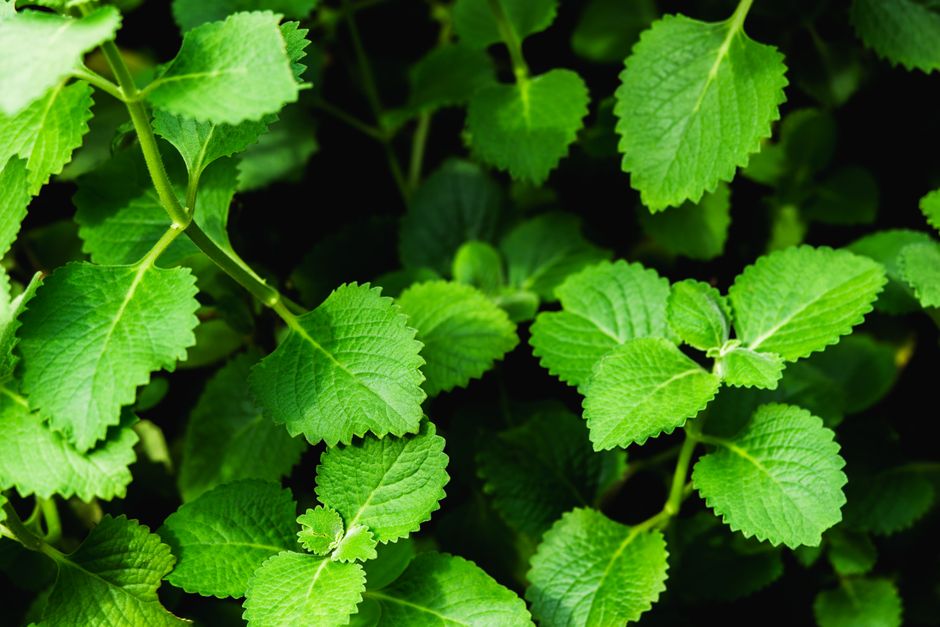
Yes, bay leaves are edible. They are the dried leaves of the bay laurel tree, Laurus nobilis, and they are a standard cooking herb used in soups, stews, and braises around the world. The confusion most people have is not about whether the leaf is food-safe — it is about whether you are supposed to eat the leaf itself once the dish is done.
That is a real question with a real answer. Bay leaves are safe to consume, but they stay stiff and sharp even after long cooking, which is why most recipes tell you to fish them out before serving. The leaf flavors the dish. It is not meant to be chewed and swallowed like a spinach leaf.
Are Bay Leaves Edible or Poisonous?
Bay leaves are not poisonous. This is one of the more persistent kitchen myths, and it deserves a direct answer.
Some confusion comes from a name problem. Several unrelated plants are also called “bay” or “laurel,” and a few of them are genuinely toxic. California bay (Umbellularia californica) is a different species with a much stronger, more medicinal aroma. Mountain laurel and cherry laurel are not bay at all — they are ornamental shrubs that contain toxic compounds and should never be used in food.
The bay leaf sold in US grocery stores is almost always Laurus nobilis, the true culinary bay. It is recognized as safe for food use. Turkey is a major producer, and you will also see bay from California and the Mediterranean.
So the risk is not the leaf you bought at the supermarket. The risk is foraging a leaf from a shrub in your yard and assuming it is the same thing. If you did not buy it as a food product, do not cook with it.
Why Do Recipes Tell You to Remove Bay Leaves?
Because a whole dried bay leaf does not soften enough to chew comfortably, and a rigid leaf with sharp edges can be a choking hazard or scratch the mouth and throat if swallowed whole.
This is the practical reason behind the instruction. It is not a safety warning about toxicity. It is about texture and physical risk.
A dried bay leaf stays leathery even after an hour of simmering. Fresh bay leaves are somewhat more pliable but still tough. When someone swallows one without chewing it, the leaf can lodge in the throat. That is uncomfortable at best and a genuine emergency at worst, especially for children or anyone with swallowing difficulty.
There is a second, more common problem: a forgotten leaf ends up on someone’s spoon. The fix is simple. Count how many leaves go in, and count how many come out.
Does the leaf dissolve or break down in cooking?
No. A whole bay leaf keeps its structure through normal cooking times. It releases flavor into the liquid or fat around it, but the leaf itself remains intact.
You can crumble or grind bay leaves before adding them if you want to eat them without the choking concern. Ground bay is a legitimate ingredient. It is just much more concentrated, so a little goes a long way.
Are Bay Leaves Nutritious?
Bay leaves do contain nutrients, but the amounts you actually consume are tiny, so they contribute almost nothing to your daily intake.
Dried bay leaves contain small amounts of iron, calcium, manganese, and vitamin A, along with antioxidant compounds. The problem is dose. A single leaf weighs very little, and most of it ends up in the trash or on the edge of the plate.
It is fair to call bay leaf a flavoring, not a nutritional source. Anyone eating bay leaves for their mineral content would need to eat a quantity that would be unpleasant and unnecessary.
What bay leaf does well is add aroma and depth to slow-cooked food. That is a real contribution to a meal. It is just a culinary one, not a nutritional one.



What About Health Claims for Bay Leaves?
You will find bay leaf tea, bay leaf supplements, and articles claiming bay leaves lower blood sugar, reduce inflammation, or support digestion. The evidence behind most of these claims is thin.
Some laboratory and small studies have looked at bay leaf extracts and compounds. That research is not the same as showing that a cup of bay leaf tea does something meaningful in a human body. Extract studies use concentrated amounts that a tea or a stew does not provide.
There is no strong clinical evidence that eating bay leaves treats any condition. If you enjoy bay leaf tea, that is fine. It is a pleasant, low-calorie drink. It is not a treatment, and it should not replace anything a doctor has recommended.
One caution worth stating plainly: bay leaf supplements are not regulated the way medications are, and concentrated plant extracts can interact with medications or cause reactions in some people. If you are pregnant, breastfeeding, or taking prescription drugs, talk to a clinician before using bay leaf in supplement form. No clinical guidelines establish a safe supplemental dose for those groups.
How Should You Store and Use Bay Leaves?
Dried bay leaves keep their flavor for a long time, which is part of why they are so widely used. Stored in an airtight container away from heat and light, dried leaves hold up for many months. They will not spoil in a way that makes them dangerous, but they do lose aroma over time.
Fresh bay leaves are more perishable. Refrigerate them and use them within a few weeks, or freeze them for longer storage.
A few practical points:
- Add whole leaves early in cooking so they have time to release flavor into the liquid.
- Count the leaves going in so you can find them all before serving.
- Remove them with tongs or a slotted spoon once the dish is done.
- Grind or crumble the leaf if you want the flavor without a whole leaf in the pot.
- Never substitute an ornamental “laurel” from a garden for culinary bay.
One non-obvious point: fresh and dried bay leaves are not interchangeable at a one-to-one ratio. Dried bay is generally more concentrated in flavor than fresh, so a recipe calling for dried leaves may need more fresh leaves to taste the same. Taste as you go rather than assuming they match.
Can Bay Leaves Cause Any Harm?
For most people, culinary bay leaf is not a concern. The realistic risks are physical, not chemical.
The main one is swallowing a whole leaf and having it lodge in the throat. This is uncommon but does happen, and it is more likely with children, older adults, and anyone who has trouble swallowing.
Less commonly, some people are allergic to bay leaf or to related plants. Reactions to herbs are possible, though rare. If you notice a reaction after eating something with bay, stop and get medical advice.
Whole bay leaves are also not appropriate for infants and young children as a food to eat, purely because of the choking risk. The flavor they add to a cooked dish is not the issue.
The bottom line is that bay leaves are a safe, ordinary cooking ingredient. Treat them like any whole spice: use them for flavor, keep track of them, and take them out before someone takes a bite.
Frequently Asked Questions
Are bay leaves safe to eat?
Yes, culinary bay leaves from the bay laurel tree are safe to eat. They are tough and sharp, though, so most recipes call for removing them before serving.
What happens if you accidentally eat a bay leaf?
Usually nothing serious happens if you chew and swallow it. The concern is swallowing a whole leaf without chewing, which can cause choking or scratch the throat.
Are bay leaves toxic like people say?
No, true culinary bay leaves are not toxic, and the “poisonous bay leaf” claim is a myth. The real risk comes from confusing edible bay with unrelated toxic plants also called laurel.
Can you eat bay leaves raw?
You can, but a raw bay leaf is very stiff and hard to chew, and it offers little benefit that way. It is meant to flavor food during cooking, not to be eaten on its own.
