
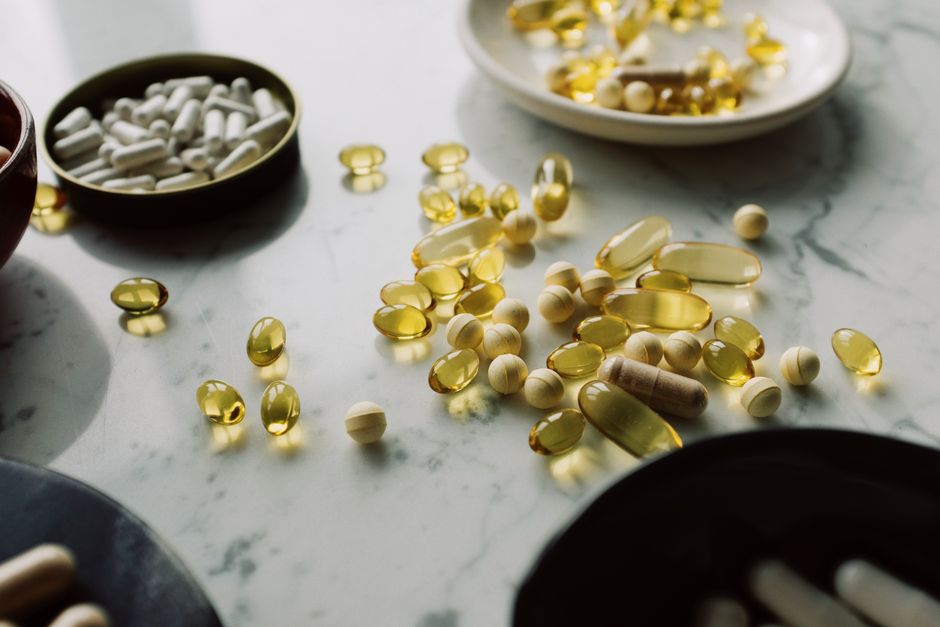
Pregnancy changes your nutritional needs in many ways, and it is normal to wonder whether supplements like amino acids are helpful or safe. The short answer is that most standard prenatal vitamins provide what you need, and taking separate amino acid supplements is generally not recommended unless a specific medical condition requires them. Because amino acid supplements are not regulated like medications, their safety and dosing during pregnancy are not well established, and some may carry risks that are not fully understood.
What Are Amino Acid Supplements Exactly?
Amino acids are the building blocks of protein. Your body uses them to build muscle, make enzymes, and support cell growth. During pregnancy, protein needs increase because your body is building new tissue for the placenta and your baby.
You can get amino acids from food. Complete proteins like eggs, meat, fish, and dairy contain all nine essential amino acids. Plant sources like beans, rice, and nuts can also provide them when eaten in variety. Most people get more than enough protein from a normal diet, including during pregnancy.
Supplements are different. They come as individual amino acids like arginine, glutamine, or branched-chain amino acids (BCAAs). They are also sold in combination powders and capsules. These products are marketed for muscle building, athletic performance, and general wellness. None of these marketing claims are specifically studied for pregnant women.
Are Amino Acid Supplements Safe During Pregnancy?
The evidence does not support routine use of amino acid supplements during pregnancy. No large human trials have confirmed that these supplements are safe for a developing fetus. The FDA does not evaluate amino acid supplements for safety or effectiveness before they are sold, which means no regulatory body has established a safe dose for pregnancy.
Some amino acids cross the placenta. That means what you take can reach your baby. In animal studies, certain amino acid imbalances during pregnancy have been linked to developmental problems, though these findings do not directly translate to humans. Still, the lack of human safety data is enough reason for caution.
There are rare medical situations where amino acid formulas are used in pregnancy. For example, women with certain metabolic disorders like phenylketonuria (PKU) need careful amino acid management to protect their baby from high phenylalanine levels. This is a medical treatment supervised by a specialist, not a supplement you buy over the counter. It is not comparable to taking an amino acid powder for general health.
What Are the Risks of Amino Acid Supplements in Pregnancy?
The main risk is that no one knows what a safe dose is. With prenatal vitamins, established guidelines exist for nutrients like folic acid and iron. No such guidelines exist for amino acid supplements in pregnancy. Taking them means you are essentially guessing.
High doses of individual amino acids can disrupt how other amino acids are absorbed. Amino acids compete for the same transport systems in your body. Taking a large dose of one can interfere with the absorption of others. This could theoretically affect protein balance at a time when your body needs steady, balanced nutrition.
Some amino acid supplements also contain other ingredients. Powders and capsules may include herbs, stimulants, or artificial sweeteners that have not been studied in pregnancy. You cannot always tell from the label what else is in the product.
Digestive side effects are possible too. Nausea, diarrhea, and stomach cramping can occur with amino acid supplements. During pregnancy, when nausea is already common, adding a supplement that upsets your stomach is not helpful.



What Does the Research Actually Show?
Research on amino acid supplements in pregnancy is very limited. Most studies focus on specific medical uses, like intravenous amino acid solutions given to women with poor fetal growth in a hospital setting. Those are clinical treatments, not dietary supplements, and they are administered under close medical supervision.
Some studies have looked at L-arginine supplementation for conditions like preeclampsia or intrauterine growth restriction. Results have been mixed. Some suggest possible benefits, while others show no clear effect. None of these studies establish that L-arginine or any other amino acid supplement is safe or effective for general use in healthy pregnancies.
Research published in the American Journal of Clinical Nutrition and other journals has examined protein needs in pregnancy. These studies consistently show that most pregnant women meet their protein needs through diet alone. The average pregnant woman needs about 70 grams of protein per day in the second and third trimesters. That is roughly two to three servings of protein-rich food spread across meals. A deficiency is rare in otherwise healthy women with access to adequate food.
No clinical evidence currently confirms that amino acid supplements improve pregnancy outcomes in healthy women. If you are eating a varied diet and taking a prenatal vitamin, you are likely meeting your nutritional needs without them.
Which Amino Acids Are Sometimes Advertised for Pregnancy?
Some brands market specific amino acids to pregnant women, often with vague claims about fetal development or maternal energy. Here is what the evidence actually shows for the most common ones.
- Arginine is sometimes promoted for blood flow. Some hospital-based studies have explored it for pregnancy complications, but results are mixed and no guideline recommends it for routine use.
- Glutamine is marketed for gut health and immune support. No pregnancy-specific safety data exists for supplemental glutamine.
- BCAAs (leucine, isoleucine, valine) are sold for muscle preservation. They are not studied for pregnancy use and can compete with tryptophan absorption, which your body needs to make serotonin.
- Glycine appears in some collagen and “beauty” powders. Collagen supplements contain glycine and other amino acids, but their safety in pregnancy has not been established.
If a product contains amino acids as part of a protein powder, that is different from a concentrated amino acid supplement. Protein powders are food products, and moderate amounts are generally considered safe in pregnancy if the powder is from a reputable brand. Even then, it is best to get protein from whole foods whenever possible.
What Should You Do Instead?
Focus on food first. A balanced pregnancy diet that includes protein at each meal covers your amino acid needs. Eggs, Greek yogurt, chicken, fish, beans, lentils, tofu, and nuts are all excellent sources. If you eat meat or dairy, you are likely getting complete proteins without any effort.
If you are vegetarian or vegan, pay attention to protein variety. Combining different plant proteins across the day ensures you get all essential amino acids. Soy products like tofu and edamame are complete proteins and are safe in pregnancy when cooked properly.
Take a standard prenatal vitamin that includes folic acid, iron, calcium, vitamin D, and DHA if your doctor recommends it. This covers the nutrients that are genuinely hard to get from food alone. Prenatal vitamins have decades of safety data behind them. Amino acid supplements do not.
If you are concerned about protein intake, talk to your obstetrician or a registered dietitian. They can assess your actual intake and tell you whether you need more. In most cases, they will recommend food changes rather than supplements.
When Should You Avoid Amino Acid Supplements Entirely?
Avoid them if you have gestational diabetes, high blood pressure, or any metabolic condition. Amino acid supplements can affect blood sugar and kidney function, and these effects are not studied in complicated pregnancies.
Avoid them if you are taking any medication. Amino acids can interact with drugs in ways that are not well understood. Your doctor needs to know about every supplement you take, not just medications.
Avoid them if you are trying to conceive or are in the first trimester. Organ development happens in the first 12 weeks, and this is the period when unknown exposures carry the highest theoretical risk. If you were taking an amino acid supplement and just found out you are pregnant, stop taking it and mention it to your doctor.
Do not assume a product is safe just because it says “natural” or “plant-based.” Natural does not mean studied, and plant-based does not mean risk-free during pregnancy.
What About Amino Acids in Prenatal Vitamins?
Some prenatal vitamins now include amino acids like choline or taurine. Choline is actually a vitamin-like nutrient that has solid evidence for fetal brain development, and it is often under-consumed in pregnancy. If your prenatal vitamin contains choline, that is a good thing. The recommended intake during pregnancy is 450 mg per day, and many women do not reach that from diet alone.
Taurine is sometimes added to prenatal products, though it is not an essential amino acid because your body can make it. No clear benefit has been shown for taurine supplementation in pregnancy.
The key difference is dose. A prenatal vitamin contains small, carefully measured amounts of many nutrients. An amino acid supplement contains large amounts of one or a few amino acids. That concentration is what makes the supplement riskier.
Can Too Much Protein Be Harmful in Pregnancy?
Extremely high protein intake from supplements is different from eating protein-rich foods. Some older studies raised questions about very high protein intakes in pregnancy, but the evidence is not strong enough to define an upper limit for food-based protein.
What is clear is that concentrated protein or amino acid supplements are not the same as food. When you eat a chicken breast, you get protein along with vitamins, minerals, and fats that help your body use it. When you take an amino acid powder, you get isolated compounds that hit your bloodstream quickly. Your body processes these differently, and that difference matters during pregnancy.
If you are eating a normal diet and gaining weight appropriately, you are almost certainly getting enough protein. Your body is designed to prioritize your baby’s needs, and it will pull amino acids from your own stores if your diet falls short. That is why protein deficiency is rare in healthy pregnant women.
Frequently Asked Questions
Can I take BCAA supplements while pregnant?
No clinical evidence supports the safety of BCAA supplements during pregnancy. They are not recommended because no safe dose has been established for a developing baby.
Are collagen or bone broth powders safe in pregnancy?
Collagen powders contain amino acids like glycine and proline, but their safety in pregnancy has not been studied. Bone broth made from food is generally safe, but concentrated collagen supplements lack pregnancy-specific safety data.
Do I need amino acid supplements if I eat a vegetarian diet during pregnancy?
Most vegetarian diets that include a variety of plant proteins provide all essential amino acids. If you have concerns about your protein intake, ask your doctor or a registered dietitian to review your diet before adding any supplement.
What is the safest way to increase protein during pregnancy?
Whole food sources are the safest option. Eggs, dairy, fish, poultry, beans, lentils, and tofu provide protein along with other nutrients your body needs, without the unknown risks of concentrated amino acid supplements.
