
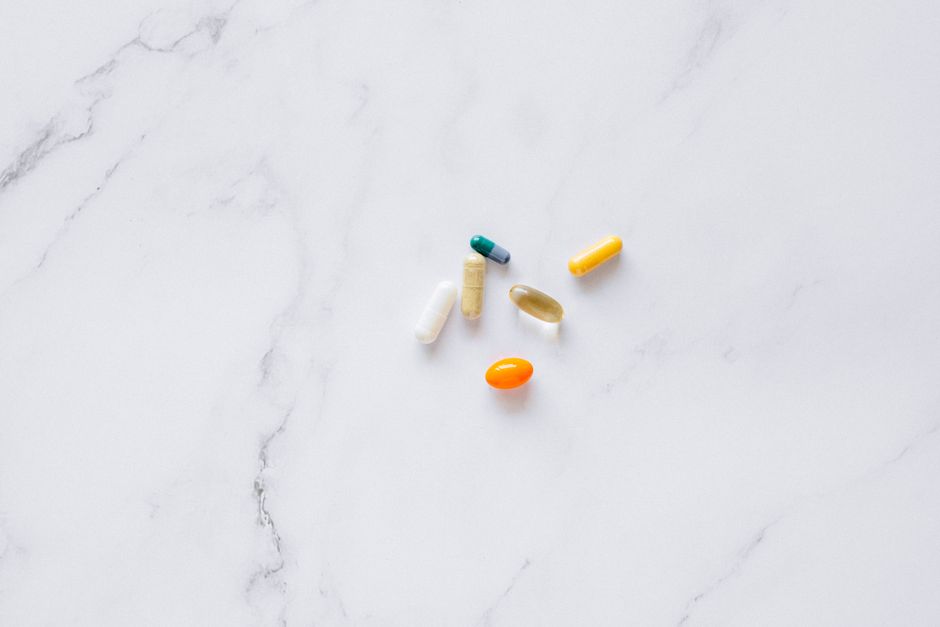
Supplements alone will not lower your A1C enough to replace diabetes treatment, but some have real evidence behind them. The most effective supplements for lowering A1C are berberine, cinnamon, and alpha-lipoic acid, though results vary from person to person. The honest truth is that the most reliable way to lower A1C remains diet, exercise, and prescribed medication—supplements work best as a small addition, not a replacement.
What Does A1C Actually Measure?
A1C is a blood test that shows your average blood sugar over the past two to three months. When glucose attaches to hemoglobin in your red blood cells, it stays there for the life of that cell—roughly 120 days. The test measures what percentage of your hemoglobin has glucose attached to it.
A normal A1C is below 5.7 percent. A diagnosis of prediabetes starts at 5.7 percent. Diabetes is diagnosed at 6.5 percent or higher. Most doctors aim for an A1C below 7 percent in people with diabetes, though individual targets vary based on age and other health conditions.
Because the test reflects months of blood sugar patterns, it does not change overnight. If you start a supplement today, it may take eight to twelve weeks before you see a meaningful change in your A1C number. This is important to understand before you spend money on products promising rapid results.
Which Supplements Have the Strongest Evidence?
Research on supplements for blood sugar control is uneven. Some supplements have been studied in multiple human trials. Others are supported only by animal studies or small pilot studies. The following have the most consistent evidence behind them.
Berberine is the most studied supplement for blood sugar control. It is a compound extracted from several plants, including goldenseal and barberry. Research published in multiple clinical trials has found berberine can lower A1C by about 0.5 to 1 percentage point over three months. This is comparable to some prescription diabetes medications. Berberine works by activating an enzyme called AMPK, which helps cells take up glucose more efficiently.
Cinnamon has mixed but generally positive evidence. Some studies show that cinnamon can lower fasting blood sugar and A1C by small amounts. The effect appears modest—typically a 0.3 to 0.5 percentage point reduction in A1C. Not every study shows benefit, and the type of cinnamon matters. Cassia cinnamon is the common grocery store variety, and it contains higher levels of coumarin, a compound that can harm the liver in large doses. Ceylon cinnamon has less coumarin but is harder to find.
Alpha-lipoic acid (ALA) is an antioxidant that has been studied primarily for diabetic nerve pain, but it also appears to improve insulin sensitivity. Some research suggests ALA can modestly lower A1C, though the evidence is less consistent than for berberine. Typical doses range from 300 to 600 milligrams daily.
What About Magnesium and Vitamin D?
Magnesium deficiency is common in people with type 2 diabetes. Magnesium plays a direct role in how your body processes glucose. Studies have found that magnesium supplementation can improve insulin sensitivity and modestly lower fasting blood sugar. The effect on A1C is smaller but measurable, especially in people who start with low magnesium levels.
Vitamin D deficiency is also common in people with diabetes, but the evidence for supplementation is more complicated. Some studies show that correcting a vitamin D deficiency improves blood sugar control. Others show no benefit in people who already have adequate levels. If your vitamin D level is low, supplementation makes sense for overall health and may help blood sugar. If your level is normal, taking more is unlikely to change your A1C.
Before starting either supplement, ask your doctor to test your blood levels. Supplementing when you are not deficient is unlikely to help and adds unnecessary cost.





How To Lower A1C With Supplements What Actually Works
If you want to try supplements, the approach that works best is to choose one with solid evidence, take it consistently, and measure your results after three months. Berberine is the best first choice because it has the strongest research support. A typical dose is 500 milligrams taken two to three times daily with meals.
Do not take berberine without talking to your doctor first. It can interact with blood sugar-lowering medications and cause hypoglycemia. It can also cause digestive upset, especially in the first week. Start with a lower dose and increase gradually if tolerated.
If you choose cinnamon, look for a standardized extract rather than using the spice from your pantry. The amounts used in studies are much higher than what you would add to oatmeal. Ceylon cinnamon is safer for daily use. A typical dose is 500 to 1000 milligrams daily.
Alpha-lipoic acid is a reasonable option, especially if you have nerve symptoms like tingling or numbness in your feet. Take 300 to 600 milligrams daily. It is generally well tolerated, though it can lower blood sugar too much when combined with diabetes medications.
Supplements That Do Not Work
The market is full of supplements that make bold claims without evidence. Some are harmless but useless. Others can be dangerous.
Apple cider vinegar has become popular on social media for blood sugar control. It does have some small studies showing it can lower post-meal blood sugar spikes. However, there is no evidence that it meaningfully lowers A1C. Drinking vinegar also carries real risks, including tooth enamel erosion and throat irritation. If you want to try it, dilute one to two tablespoons in water and take it with meals. Never drink it undiluted.
Chromium is a mineral that has been studied for blood sugar control for decades. The evidence is weak. Some studies show small benefits in people with chromium deficiency, but most show no effect in people with normal levels. Chromium picolinate is generally safe at standard doses, but it is not a reliable tool for lowering A1C.
Bitter melon is a vegetable used in traditional medicine for diabetes. Some small studies suggest it can lower blood sugar, but the evidence is inconsistent and the effect is small. It is difficult to standardize because the active compounds vary between plants.
Be skeptical of any supplement labeled as a “natural insulin” or “diabetes cure.” No supplement has been shown to reverse diabetes. Products that promise dramatic A1C drops in weeks are either exaggerating or hiding the fact that they contain undeclared prescription drugs.
Risks and Interactions You Need to Know
Supplements are not regulated like prescription drugs. The FDA does not review them for safety or effectiveness before they reach store shelves. This means the actual ingredients may differ from what the label claims. Independent testing has found that some supplements contain undeclared drugs, especially products marketed for diabetes and weight loss.
The biggest risk with blood sugar-lowering supplements is hypoglycemia. If you take metformin, insulin, or sulfonylureas, adding a supplement that also lowers blood sugar can push your levels too low. Symptoms of hypoglycemia include shakiness, sweating, confusion, and rapid heartbeat. Severe hypoglycemia can cause seizures or loss of consciousness.
Berberine has additional interactions. It can affect how your liver processes other medications, including some blood thinners and antidepressants. It may also lower blood pressure. If you take any prescription medication, check with your pharmacist before adding berberine.
Pregnant women and people with kidney or liver disease should avoid most blood sugar supplements. No clinical guidelines exist for supplement use in pregnancy, and the risk of harm outweighs any potential benefit.
What Actually Lowers A1C the Most
If your A1C is above your target, the most effective tools are not supplements. Weight loss of five to ten percent of your body weight can lower A1C by about 0.5 to 1 percentage point. Regular exercise—especially a mix of aerobic activity and resistance training—improves insulin sensitivity within weeks. Reducing refined carbohydrates and added sugars has a direct effect on blood sugar levels.
Prescription medications remain the most reliable option. Metformin is the first-line treatment for type 2 diabetes and has decades of safety data. Newer medications like GLP-1 receptor agonists are highly effective for both blood sugar control and weight loss.
Think of supplements as a small lever, not the main mechanism. If you are already eating well, exercising, and taking prescribed medication, a supplement with real evidence might help you squeeze out an additional 0.3 to 0.5 percentage point reduction. That is meaningful, but it is not the difference between controlled and uncontrolled diabetes.
Frequently Asked Questions
How long does it take for supplements to lower A1C?
Most studies measure A1C changes after eight to twelve weeks of consistent supplement use. Because A1C reflects three months of blood sugar patterns, you cannot see meaningful change sooner than that.
Can I stop my diabetes medication if I take supplements?
No. Supplements are not a replacement for prescribed diabetes medication. Stopping medication without medical supervision can cause dangerous blood sugar elevations.
What is the safest supplement for lowering A1C?
Berberine has the strongest evidence but also the most interactions. Cinnamon and alpha-lipoic acid are generally well tolerated at standard doses. The safest choice depends on your other medications and health conditions.
