
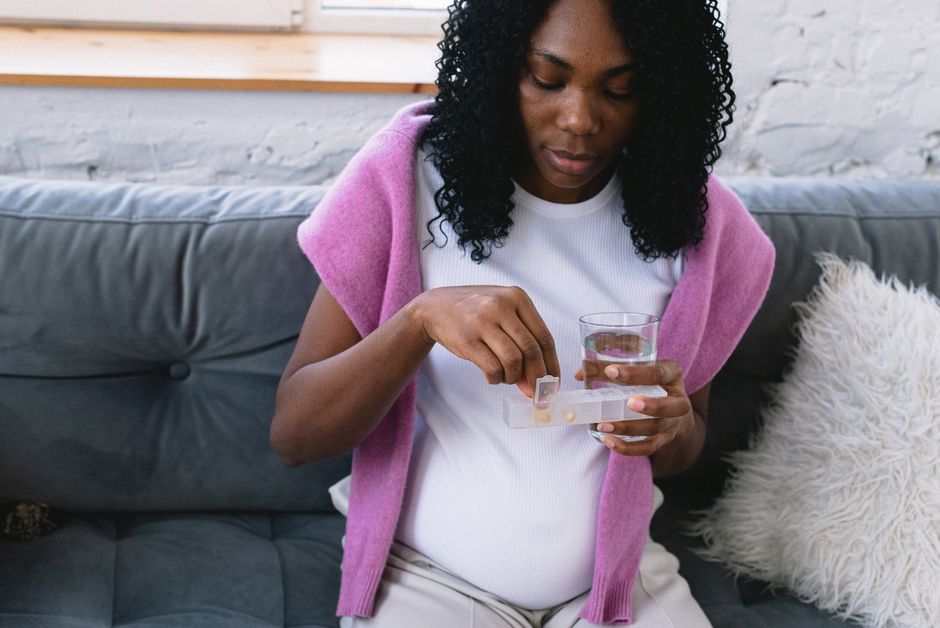
Prenatal vitamins do not cause weight gain on their own. The weight gain most women notice during pregnancy comes from the pregnancy itself — the baby, amniotic fluid, placenta, and increased blood volume. Prenatal vitamins are supplements, not medications that change your metabolism or appetite. Some women do report feeling hungrier or slightly nauseated when taking them, but the vitamins themselves do not add pounds.
Why Do Prenatal Vitamins Get Blamed for Weight Gain?
Timing is the main reason. Most women start taking prenatal vitamins around the same time they find out they are pregnant. That is also when their body begins changing. Weight gain starts in the first trimester, even before the baby is clearly visible. It is natural to connect the two events.
Another factor is the iron and folic acid in prenatal vitamins. Iron can cause stomach upset or constipation in some women. Constipation can make you feel bloated and heavier, even though it is not true weight gain. This bloating usually resolves once your body adjusts to the supplement or if you switch to a different formulation.
Some women also report increased appetite after starting prenatal vitamins. There is no strong evidence that the vitamins themselves trigger hunger. More likely, the hormonal changes of early pregnancy are increasing your appetite at the same time you begin taking the supplement.
What Actually Causes Weight Gain During Pregnancy
Pregnancy weight gain is a normal, necessary process. The body needs extra fat stores to support the baby and prepare for breastfeeding. The breakdown of a typical pregnancy weight gain includes the baby, placenta, amniotic fluid, breast tissue, increased blood volume, and fat stores.
Most of this gain is not fat. A full-term baby weighs roughly 7 to 8 pounds. The placenta adds about 1.5 pounds. Amniotic fluid is another 2 pounds. Increased blood and fluid volume can add 5 to 7 pounds. Uterus and breast tissue growth contribute several more pounds. Fat stores account for the remainder.
Total weight gain recommendations depend on your starting body mass index (BMI). Women at a healthy weight are generally advised to gain between 25 and 35 pounds. Underweight women are advised to gain more, and overweight or obese women are advised to gain less. These ranges come from clinical guidelines and are used widely by obstetricians.
Can the Iron in Prenatal Vitamins Affect Your Weight?
Iron does not cause weight gain. It can cause gastrointestinal side effects, and those side effects can create the feeling of being heavier or bloated. Constipation is the most common complaint. Iron supplements slow bowel transit time, which means food and waste move more slowly through your digestive tract.
Some women experience nausea when taking iron on an empty stomach. Nausea is not weight gain, but it can make you feel uncomfortable and full. Taking your prenatal vitamin with food usually reduces this effect. If nausea or constipation persists, talk to your obstetrician about switching to a different iron form or a lower dose.
Iron deficiency anemia is common in pregnancy and has real consequences. Fatigue, weakness, and shortness of breath can affect your daily life. Treating anemia with iron is important, even if it causes mild digestive discomfort. The benefits of treating anemia outweigh the temporary side effects.





Do Prenatal Vitamins Increase Appetite?
There is no clinical evidence that prenatal vitamins increase appetite directly. The hormonal changes of pregnancy, particularly rising estrogen and progesterone, do affect hunger signals. Many women feel hungrier in the first trimester, and this often coincides with starting prenatal vitamins.
Some women notice they feel hungrier after taking their vitamin in the morning. This is more likely a coincidence of timing than a direct effect of the supplement. Your body is increasing blood volume and building new tissue. That requires more calories. The appetite increase is your body’s way of meeting those demands.
If you are concerned about excessive hunger or rapid weight gain, track what you are eating rather than blaming the vitamin. Pregnancy increases calorie needs by roughly 300 calories per day in the second and third trimesters. That is not a license to eat without limits. It is a modest increase that most women can meet with normal, balanced meals.
How Much Weight Gain Is Normal in Each Trimester
Weight gain in pregnancy is not linear. The first trimester typically involves the least gain — often only 1 to 5 pounds total. Some women gain nothing or even lose weight due to nausea and food aversions. That is normal and not a cause for concern.
The second and third trimesters are when most weight gain happens. A steady gain of about 1 pound per week is typical in the second trimester for women at a healthy starting weight. The third trimester is similar, though some women gain more in the final weeks due to fluid retention and the baby’s rapid growth.
Rapid weight gain in a short period can sometimes signal a problem. Sudden, excessive swelling, especially in the face and hands, can be a sign of preeclampsia. This is a serious condition that requires medical attention. If you notice rapid weight gain with swelling, headache, or vision changes, contact your healthcare provider promptly.
What About Weight Gain After Stopping Prenatal Vitamins?
Some women worry that stopping prenatal vitamins after delivery will cause weight loss. That is not how it works. The weight gained during pregnancy does not disappear when you stop taking the supplement. Postpartum weight loss depends on diet, activity, breastfeeding, and hormonal changes.
Breastfeeding burns extra calories — roughly 300 to 500 calories per day. Many women lose weight gradually while nursing, though not all do. Some women hold onto weight until they wean. This is normal and varies widely from person to person.
Prenatal vitamins are often recommended while breastfeeding because nutrient needs remain high. The vitamins do not interfere with weight loss. If you are struggling with postpartum weight, focus on balanced meals, gentle activity, and adequate sleep rather than eliminating your supplement.
When Weight Gain During Pregnancy Is a Concern
Gaining too little or too much weight can have consequences. Gaining too little may increase the risk of low birth weight. Gaining too much can increase the risk of gestational diabetes, high blood pressure, and delivery complications. It also makes postpartum weight loss harder.
Your healthcare provider will track your weight at each prenatal visit. They compare your gain to established ranges based on your starting BMI. If you are gaining faster than expected, they may discuss your diet and activity levels. This is not about shaming — it is about reducing risk for you and your baby.
Do not attempt to diet or restrict calories during pregnancy without medical supervision. The baby needs consistent nutrition. Restricting calories can harm fetal development. If you are concerned about your weight gain, talk to your provider about healthy ways to manage it.
How to Minimize Digestive Side Effects From Prenatal Vitamins
If digestive discomfort is bothering you, small changes can help. Taking your vitamin with a meal reduces nausea for many women. Taking it at night can help if morning nausea is an issue. Staying hydrated and eating fiber-rich foods can ease constipation.
Some prenatal vitamin formulations are gentler on the stomach than others. Slow-release iron or iron bisglycinate tends to cause fewer digestive issues than ferrous sulfate. Your pharmacist or obstetrician can help you find a formulation that works for you.
Do not stop taking your prenatal vitamin without talking to your provider. The folic acid and iron in these supplements are important for preventing neural tube defects and anemia. If side effects are intolerable, there are alternatives. Just make the switch under medical guidance.
Frequently Asked Questions
Will prenatal vitamins make me gain weight even if I am not pregnant?
No. Prenatal vitamins do not cause weight gain in non-pregnant women. Any weight change while taking them is more likely related to diet, activity, or other factors.
Can prenatal vitamins cause bloating that looks like weight gain?
Yes. Iron in prenatal vitamins can cause constipation and bloating in some women. This can make you feel heavier, but it is not true fat gain and usually resolves with time or a formulation change.
Is it normal to gain weight in the first trimester while taking prenatal vitamins?
Yes. Gaining 1 to 5 pounds in the first trimester is normal and expected. The gain comes from the pregnancy itself, not the vitamins.
Should I stop taking prenatal vitamins if I am gaining weight too fast?
No. Stopping the vitamins will not stop the weight gain and may harm nutrient levels. Talk to your healthcare provider about your diet and activity instead.
