
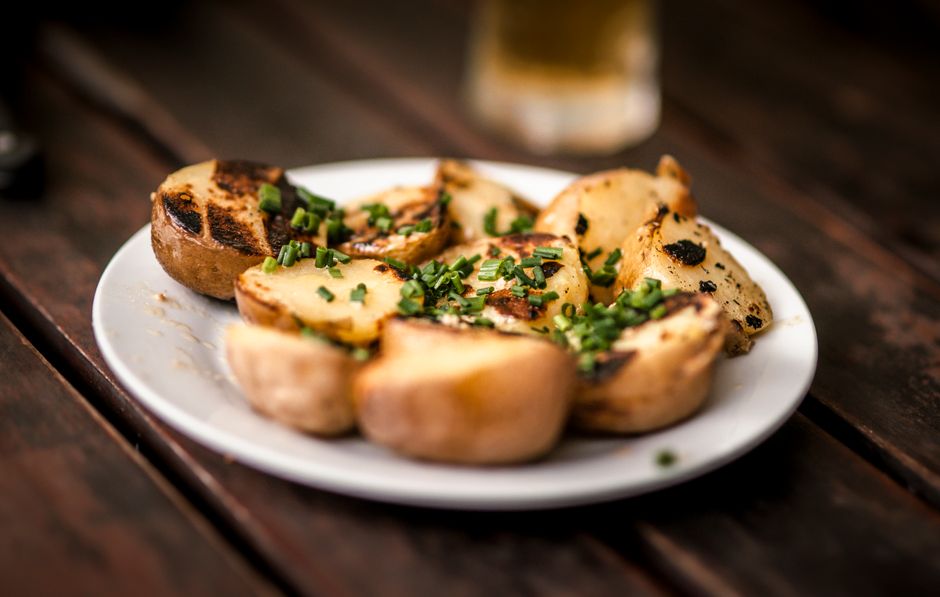
Potatoes have a reputation problem. Many people trying to lose weight cut them out entirely, assuming a starchy vegetable must be fattening. That assumption does not hold up well. A plain baked potato with the skin on has about 160 calories and delivers potassium, vitamin C, and fiber. What changes the equation is not the potato itself. It is how you cook it and what you put on top.
The right way to cook potatoes for weight loss comes down to three things: keep the skin on, use cooking methods that add little or no fat, and let the potato cool before eating when you can. Boiling, steaming, and baking are your best options. Frying and heavy cream-based preparations work against you. Cooling cooked potatoes changes their starch structure in a way that may modestly blunt the blood sugar response.
None of this makes potatoes a magic food. They are a carbohydrate source with real nutritional value, and they can fit into a weight-loss eating pattern when prepared sensibly and portioned reasonably.
Why Do Potatoes Get a Bad Reputation for Weight Loss?
Much of the criticism traces back to how potatoes are typically eaten, not the vegetable itself.
French fries, potato chips, and loaded baked potatoes dominate the way Americans consume potatoes. A medium potato fried in oil can absorb a significant amount of that oil during cooking. Add cheese, sour cream, and bacon, and a food that started at roughly 160 calories can climb past 500. That is a preparation problem, not a potato problem.
There is also the glycemic index conversation. Potatoes score relatively high on the glycemic index, meaning they can raise blood sugar faster than some other carbohydrate foods. This matters more for people managing diabetes than for the general population trying to lose weight. Even so, the glycemic response varies considerably depending on the potato variety, how it is cooked, and whether it is eaten with protein or fat.
A commonly repeated claim is that potatoes spike insulin and therefore block fat burning. This oversimplifies human metabolism. Insulin rises after any carbohydrate-containing meal. That is normal physiology, not a metabolic failure. Body fat regulation depends on total energy balance over time, not on the insulin response to a single food.
Which Cooking Methods Actually Help With Weight Loss?
Boiling, steaming, and baking add essentially no fat to a potato. Those are the methods that keep the calorie count closest to the potato’s natural state.
Boiling and steaming are straightforward. Cut potatoes into pieces, cook them in water or a steamer basket until tender, and eat them with the skin on. The skin carries a meaningful share of the fiber and nutrients. Peeling removes some of that benefit.
Baking a whole potato in the oven, without oil or butter on the skin, produces a similar result. A medium baked potato with skin contains roughly 160 calories, about 4 grams of fiber, and more potassium than a medium banana. That potassium figure is one of the more useful and less discussed facts about potatoes — they are among the better dietary sources of this mineral, which plays a role in blood pressure regulation.
Methods to avoid or limit include:
- Deep frying, which can add substantial fat calories
- Pan frying in oil or butter
- Preparing potato salads with mayonnaise-based dressings
- Mashing with large amounts of butter and cream
Air frying sits somewhere in the middle. It uses far less oil than deep frying, so the calorie addition is much smaller. It is a reasonable option if you are transitioning away from fried potatoes, though it is not identical to boiling or baking in terms of added fat.
Does Cooling Potatoes Change Anything for Weight Loss?
Cooling cooked potatoes increases their resistant starch content. This is a real, measurable change in the food, though its practical effect on weight loss is modest at best.
When you cook a potato and then cool it — in the refrigerator for several hours, for example — some of the digestible starch converts to resistant starch. Resistant starch passes through the small intestine without being fully digested and reaches the colon, where gut bacteria ferment it. This is why cold potato salad or cooled boiled potatoes may produce a lower blood sugar response than the same potato eaten hot.
Does this translate to meaningful weight loss? The evidence here is limited. Some studies suggest resistant starch may influence satiety or blood sugar modestly, but no clinical evidence currently confirms that cooling potatoes leads to significant weight loss on its own. It is a small potential benefit, not a strategy to build a diet around.
If you enjoy cold or reheated potatoes, there is no downside to the cooling step. Just do not expect it to do heavy lifting.





How Does Portion Size Fit Into This?
Portion size matters as much as cooking method. A potato that fits in the palm of your hand is a reasonable single serving for most adults. A potato the size of a football is not.
This is where potatoes can quietly work against weight loss even when prepared well. They are not especially calorie-dense compared to foods like nuts or cheese, but they are easy to overeat. A large baked potato can easily reach 300 calories before toppings. Two of them plus a pat of butter and you have consumed a substantial portion of a day’s calorie budget without feeling like you ate much.
Pairing potatoes with protein and vegetables helps. A meal built around a modest potato portion, some lean protein, and a large serving of non-starchy vegetables tends to be more filling and more nutritionally balanced than a plate dominated by potatoes alone. Fiber and protein both contribute to satiety, and combining them with a carbohydrate source tends to slow how quickly you feel hungry again.
What Should You Put on a Potato If You Are Trying to Lose Weight?
Toppings are where most potato meals go wrong. Plain potatoes are relatively low in calories. What people add to them often doubles or triples the total.
Options that keep calories reasonable include:
- Plain Greek yogurt in place of sour cream
- Salsa or hot sauce
- Fresh herbs, garlic, black pepper, or other salt-free seasonings
- A small amount of olive oil rather than butter
- Steamed broccoli, spinach, or other vegetables mixed in
- A modest portion of beans for added protein and fiber
Cheese, butter, sour cream, and bacon are the usual culprits. A single tablespoon of butter adds about 100 calories. A quarter cup of shredded cheddar adds roughly 110. These add up quickly, and they are easy to add without measuring.
One practical approach is to season the potato well and eat it with a protein source on the side rather than loading everything onto the potato itself. A baked potato alongside grilled chicken or fish and a green salad is a balanced meal. The same potato buried under cheese and bacon is a different nutritional picture.
Can Potatoes Be Part of a Weight-Loss Diet?
Yes, with the right preparation and portion. Potatoes are not inherently fattening. They are a source of carbohydrates, potassium, vitamin C, and fiber, and they can be satisfying in a way that highly processed snack foods often are not.
The research on potatoes and weight is mixed. Some studies have found that potato consumption is associated with weight gain, but those studies often cannot separate potatoes from the fried and heavily topped forms in which they are most commonly eaten. Other research suggests that boiled or baked potatoes, eaten as part of a balanced diet, do not promote weight gain and may support satiety.
What matters most is the overall pattern. A diet built around whole or minimally processed foods, adequate protein, plenty of vegetables, and reasonable portions will generally support weight loss regardless of whether potatoes are included. A diet built around fried foods and refined carbohydrates will generally not, even if potatoes are excluded.
If you enjoy potatoes, there is no strong reason to eliminate them. Cook them simply, keep portions moderate, watch the toppings, and consider them one part of a larger eating pattern rather than a food to fear or a food to rely on.
Frequently Asked Questions
Are potatoes good or bad for weight loss?
Potatoes are neither inherently good nor bad for weight loss. A plain baked or boiled potato is relatively low in calories and provides fiber and potassium, but frying or loading it with high-fat toppings can significantly increase its calorie content.
What is the healthiest way to cook potatoes for weight loss?
Boiling, steaming, and baking without added oil or butter are the methods that add the fewest calories. Keeping the skin on preserves fiber and nutrients that are lost when potatoes are peeled.
Do cooled potatoes help with weight loss?
Cooling cooked potatoes increases resistant starch, which may modestly lower the blood sugar response. No clinical evidence currently confirms that this leads to meaningful weight loss on its own.
How many potatoes can I eat per day on a weight-loss diet?
There is no established daily limit for potatoes in weight-loss guidelines. A portion roughly the size of your palm is a reasonable single serving for most adults, with the total depending on your overall calorie needs.
