
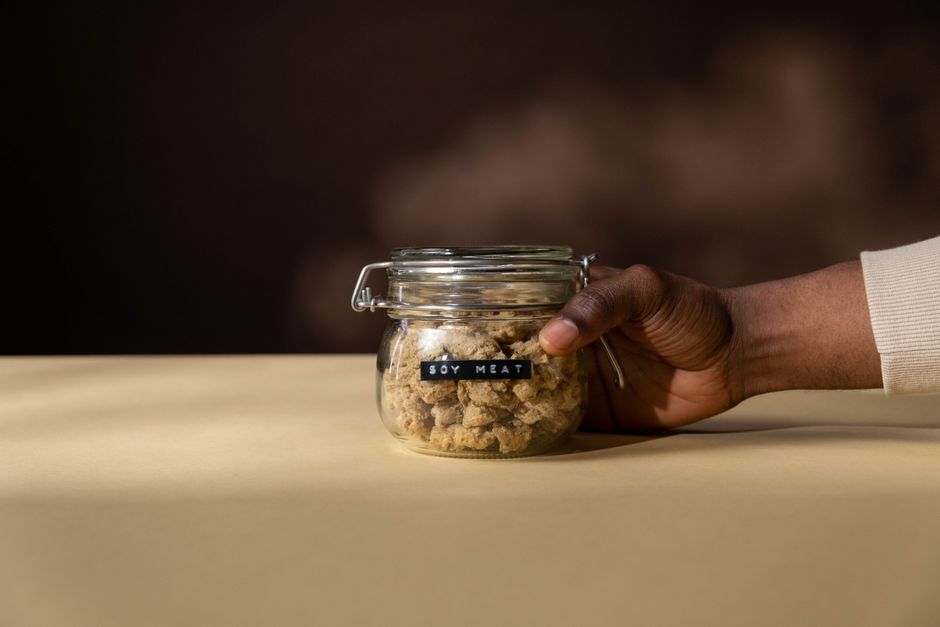
Fake meat has grown from a niche product to a regular sight in grocery stores and restaurant menus. But replacing real meat entirely is not happening anytime soon. Plant-based burgers and nuggets are popular options, yet they still make up a tiny fraction of total meat sales. The evidence points to a future where both products share shelf space, not one replacing the other.
What Exactly Is Fake Meat?
Fake meat comes in two main forms. The first is plant-based meat, made from ingredients like pea protein, soy, and wheat gluten. Brands like Beyond Meat and Impossible Foods use these proteins to mimic the texture and taste of ground beef or sausage.
The second form is cultivated meat, sometimes called lab-grown or cell-based meat. This is real animal tissue grown from cells in a steel tank. It is not yet widely available to consumers. Only a handful of restaurants in the United States and Singapore have served it, and production costs remain very high.
Both types aim to replicate the experience of eating meat. They are different from older vegetarian products like veggie burgers, which never tried to look or taste like actual flesh.
How Big Is the Fake Meat Market Really?
Plant-based meat sales have grown over the past decade, but they remain a small slice of the overall meat market. In the United States, plant-based meat accounts for roughly one percent of retail meat sales by volume. That figure has stayed relatively flat in recent years after an initial surge of interest.
Consumer surveys show that most people who buy plant-based meat are not strict vegetarians or vegans. They are omnivores who eat meat regularly and occasionally choose a plant-based option. This pattern suggests fake meat is an addition to the diet, not a replacement for it.
The market has also seen some contraction. Several major plant-based meat companies reported declining sales after their early boom. This does not mean the category is failing, but it does indicate that the initial hype outpaced actual consumer demand.
Why Do People Choose Fake Meat?
Health concerns drive many purchases. Some people switch to plant-based meat because they believe it is better for their heart or overall health. The evidence here is mixed. Plant-based meats are often lower in saturated fat than beef, but they can be high in sodium. A typical plant-based burger contains as much sodium as a comparable beef burger, and sometimes more.
Environmental concerns are another major reason. Studies consistently show that producing plant-based meat generates fewer greenhouse gas emissions than raising cattle. This is well established. A plant-based burger requires less land and water than a beef burger of the same size.
Animal welfare also plays a role for some consumers. People who are uncomfortable with industrial animal farming may see plant-based meat as a way to keep eating familiar foods without supporting that system.





What Are the Actual Nutritional Differences?
Comparing fake meat to real meat requires looking at specific products. The nutritional profile varies widely between brands and even between products from the same brand.
For protein, most plant-based burgers match beef closely. They typically contain 18 to 20 grams of protein per patty, similar to a standard beef patty. The protein quality is slightly different, but for most healthy adults this difference is not meaningful.
Key differences appear in other nutrients:
- Saturated fat: Beef is higher in saturated fat than most plant-based burgers. Some plant-based products use coconut oil, which raises saturated fat levels back up.
- Sodium: Plant-based burgers often contain more sodium than plain ground beef. This matters for people watching blood pressure.
- Iron and zinc: Beef provides heme iron, which the body absorbs more easily than the non-heme iron found in plants. Plant-based burgers add iron, but absorption is less efficient.
- Vitamin B12: This vitamin occurs naturally only in animal products. Plant-based meats are fortified with B12, but it is an added ingredient, not a natural component.
Neither option is clearly superior across the board. A plain beef patty has fewer additives but more saturated fat. A plant-based patty has less saturated fat but more sodium and processing. The right choice depends on individual health needs and dietary patterns.
Will Fake Meat Replace Real Meat Anytime Soon?
No. The current evidence does not support a near-term replacement of real meat by fake meat. Several barriers stand in the way.
Price remains a significant obstacle. Plant-based meat typically costs more than conventional meat on a per-pound basis. During economic downturns, consumers tend to trade down to cheaper protein sources, not up to premium alternatives.
Taste and texture still do not fully match real meat for many consumers. While modern plant-based products are much closer than earlier attempts, blind taste tests show that most people can tell the difference. This matters because taste is the primary driver of food choice for most Americans.
Cultural habits are slow to change. Meat is central to many traditional dishes, family gatherings, and celebrations. A plant-based burger can substitute in a casual meal, but it does not replace a Thanksgiving turkey or a holiday ham for most families.
Infrastructure also limits growth. Producing plant-based meat at scale requires specialized facilities. Cultivated meat faces even bigger hurdles, including regulatory approval, production scale, and consumer acceptance. No large human trials have confirmed the long-term health effects of eating cultivated meat regularly.
What Would Actually Change the Picture?
Several developments could shift the balance, but none are guaranteed.
If plant-based meat prices dropped below conventional meat prices, demand would likely rise. This happened with plant-based milk, which now competes directly with dairy on price in many stores. The same dynamic could play out with meat alternatives, but it has not happened yet.
Regulatory changes could also matter. Some countries have proposed restrictions on meat marketing or taxes on animal products to address climate goals. These policies remain proposals, not laws, and they face strong political opposition.
Improvements in taste and texture could bring in more repeat buyers. Companies are investing heavily in this area. Some research suggests that fermentation techniques and new protein sources like fungi could produce more convincing meat substitutes in the coming years.
None of these developments point to full replacement. Even optimistic projections from industry analysts show plant-based meat capturing a minority share of the total meat market over the next decade. The more realistic scenario is gradual growth alongside conventional meat.
What About Cultivated Meat?
Cultivated meat is real meat grown from animal cells. It has the potential to address both environmental and animal welfare concerns because it does not require raising and slaughtering animals.
The technology works in principle. Companies can grow chicken, beef, and seafood cells in bioreactors. The resulting product has the same cellular structure as conventional meat.
But production remains extremely expensive. A single cultivated meat patty can cost hundreds of dollars to produce at current scale. Companies have not demonstrated that they can lower costs to match conventional meat prices.
Consumer acceptance is another open question. Surveys show that a significant portion of Americans are hesitant to try cultivated meat. The term “lab-grown” triggers skepticism for many people, even when they understand the science.
Regulatory approval is also limited. The USDA and FDA have approved a small number of cultivated meat products for sale in the United States. But only a few restaurants have offered them, and they remain a novelty rather than a staple.
Frequently Asked Questions
Is fake meat healthier than real meat?
Not universally. Plant-based meats are often lower in saturated fat but higher in sodium than plain beef. The healthiest choice depends on the specific product and your individual health needs.
Why is fake meat more expensive than real meat?
Production costs are higher because plant-based protein processing requires specialized equipment and ingredients. These costs have not yet fallen to match conventional meat prices.
Can fake meat taste like real meat?
Modern products are much closer than older veggie burgers, but most people can still tell the difference in blind taste tests. Texture and flavor improvements continue, but full replication has not been achieved.
Is cultivated meat the same as plant-based meat?
No. Cultivated meat is real animal tissue grown from cells in a laboratory, while plant-based meat is made from plant proteins. Cultivated meat is not yet widely available to consumers.
