
If you have gout, the safest meats are the ones lowest in purines: eggs are not meat but fit here, and among actual meats, white fish, chicken, and turkey in modest portions tend to be lower-risk than red meat and organ meats. The riskiest choices are organ meats like liver and kidney, anchovies, sardines, mussels, and game meats, which are highest in the compounds your body turns into uric acid. Portion size and how often you eat these foods matter as much as which ones you pick.
What Meat Can I Eat With Gout Safe Vs Risky?
Purines are natural compounds found in the cells of all living things, including the meat you eat. When your body breaks them down, it produces uric acid. In most people, the kidneys clear uric acid efficiently. In people with gout, uric acid builds up and forms sharp crystals in joints, which triggers the swelling and pain of a flare.
This is why meat choices matter. Meat is one of the main dietary sources of purines. But not all meats carry the same purine load, and the difference between a safe choice and a risky one can be substantial.
Here is the general breakdown:
- Lower-purine meats: chicken, turkey, and most white fish in small portions
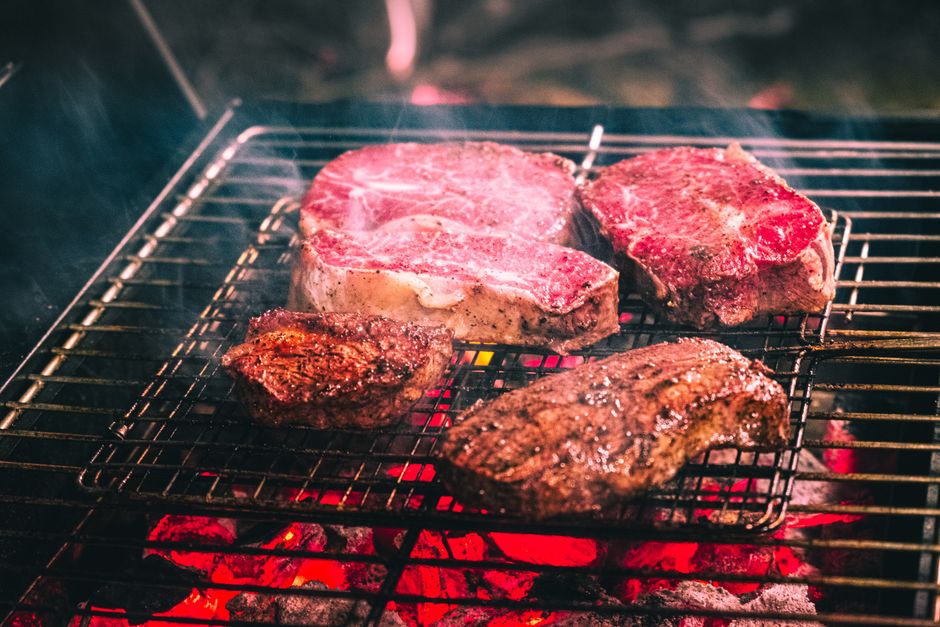
- Moderate-purine meats: beef, pork, lamb, and most other red meats
- High-purine meats: organ meats (liver, kidney, sweetbreads), anchovies, sardines, mussels, scallops, and game meats like venison
Eggs contain almost no purines and are often recommended as a protein source for people managing gout. They are not meat, but they are worth mentioning because they fill the protein gap that cutting back on meat can create.
The key insight is that portion size and frequency matter as much as the type of meat. A small serving of chicken a few times a week is a different situation than a large steak every night. The total purine load across your whole diet is what your kidneys have to manage.
Why Do Some Meats Raise Uric Acid More Than Others?
All meat contains purines because purines are part of DNA and RNA, which every cell needs. But the concentration varies widely depending on the type of tissue.
Organ meats like liver and kidney are the most concentrated sources because these organs are metabolically active and packed with cells. They contain the highest purine levels of any food. Anchovies and sardines are small fish eaten whole, including their DNA-rich cells, which also makes them very high in purines.
Muscle meats like chicken breast or beef steak have lower purine concentrations than organ meats. White fish generally has less than oily fish like sardines or mackerel. This is why the safe-versus-risky distinction exists.
There is also a difference in how different purines are absorbed and metabolized. Some research suggests that purines from plant sources like beans and spinach do not raise uric acid as much as purines from meat and seafood. The reasons are not fully understood, but the pattern has been observed consistently in studies. This is one reason dietary advice for gout focuses on animal sources rather than plant sources.
How Much Meat Is Safe When You Have Gout?
There is no single number that works for everyone. Uric acid levels, kidney function, medications, and genetics all affect how much purine your body can handle.
General guidance from rheumatology organizations has historically suggested limiting meat to around 4 to 6 ounces per day, with an emphasis on lower-purine choices. This is not a strict threshold backed by large trials. It is a practical guideline based on the observation that reducing total purine intake helps lower uric acid levels in many people.
What matters more than hitting an exact number is the overall pattern. A person who eats a small portion of chicken most days may have better uric acid control than someone who eats a large steak twice a week. Frequency and portion size together determine the total load.
Some people find that even small amounts of certain meats trigger flares. Others can eat moderate amounts without problems. This variability is real and not fully explained by purine content alone. If you notice a pattern, that information is worth discussing with your doctor.
Does Cooking Method Change the Purine Content of Meat?
Cooking method can affect purine content, but the effect is modest. Boiling or poaching meat causes some purines to leach into the cooking water. If you discard the water, you reduce the purine content of the meat you eat.
Grilling, roasting, and pan-frying do not remove purines. The purines stay in the meat. Some research suggests that high-temperature cooking may increase the formation of certain compounds, but the relevance to gout is not well established.
If you are trying to reduce purine intake, boiling or poaching meat and discarding the liquid is a reasonable step. It will not make a high-purine food safe, but it may lower the purine load of moderate-purine meats.
What About Seafood and Fish?
Seafood is a mixed category for gout. Some fish are among the highest-purine foods, while others are moderate.
Anchovies, sardines, mussels, scallops, and most shellfish are high in purines and are generally considered risky. Salmon, tuna, and most white fish like cod and tilapia have moderate purine levels and may be acceptable in small portions.
There is a complication. Fish is also a source of omega-3 fatty acids, which have anti-inflammatory properties. Some researchers have suggested that the anti-inflammatory effects of fish oil might partially offset the purine load of fish. The evidence for this is not strong, and it does not change the general recommendation to limit high-purine seafood.
If you eat fish, choosing moderate-purine options in small portions is a more conservative approach than eating sardines or anchovies regularly.
What Other Foods Affect Gout Risk?
Meat is not the only dietary factor. Several other foods and drinks have well-established effects on uric acid levels.
Alcohol, especially beer, raises uric acid and increases flare risk. Beer contains purines from yeast and also affects how the kidneys handle uric acid. This is one of the most consistent findings in gout research.
Sugary drinks and foods high in fructose also raise uric acid. Fructose metabolism produces uric acid as a byproduct. This is why sugary sodas and fruit juices are often discouraged for people with gout.
Dairy products, especially low-fat dairy, have been associated with lower uric acid levels in some studies. The mechanism is not fully clear, but the pattern has been observed in multiple populations.
Vegetables high in purines like spinach, asparagus, and mushrooms do not appear to raise gout risk the way meat and seafood do. Most guidelines no longer recommend avoiding these foods.
Coffee has been associated with lower gout risk in some studies, though the evidence is not strong enough to recommend starting to drink coffee for this purpose.
Water helps the kidneys clear uric acid. Staying well hydrated is a simple step that supports normal kidney function.
Do Medications Matter More Than Diet?
For many people with gout, medications lower uric acid more effectively than diet alone. Drugs like allopurinol and febuxostat reduce uric acid production. Probenecid helps the kidneys excrete more uric acid.
Diet still matters. Even on medication, a very high-purine diet can make it harder to reach target uric acid levels. Some people can reduce medication needs with dietary changes. Others cannot, because genetics and kidney function play a large role.
The relationship between diet and medication is not either-or. Both contribute to uric acid levels, and both are worth addressing.
What Is the Safest Overall Approach to Meat With Gout?
The safest approach is to treat meat as one part of a broader dietary pattern rather than focusing on a single food.
Choose chicken, turkey, or moderate-purine fish in small portions. Limit red meat. Avoid organ meats and high-purine seafood. Pay attention to how your body responds and adjust based on what you notice.
Keep in mind that individual responses vary. Some people tolerate foods that others cannot. There is no universal safe list that works for everyone.
If you are unsure how to balance meat choices with your overall gout management, a conversation with your doctor or a registered dietitian can help you build a plan that fits your specific situation.
Frequently Asked Questions
Is chicken safe to eat with gout?
Chicken is generally considered a lower-purine meat and is often included in gout-friendly diets in small portions. Portion size and frequency still matter, and some people find that even chicken can trigger symptoms.
Can I eat steak if I have gout?
Beef is a moderate-purine meat, so small occasional portions may be acceptable for some people. Large or frequent servings of red meat are associated with higher uric acid levels and increased flare risk.
Are eggs okay for gout?
Eggs contain very little purine and are often recommended as a protein source for people managing gout. They are not meat, but they can help replace some meat protein in your diet.
What meats should I avoid completely with gout?
Organ meats like liver and kidney, along with anchovies, sardines, mussels, and game meats, are the highest-purine choices and are generally best avoided. These foods have the strongest association with elevated uric acid.
