
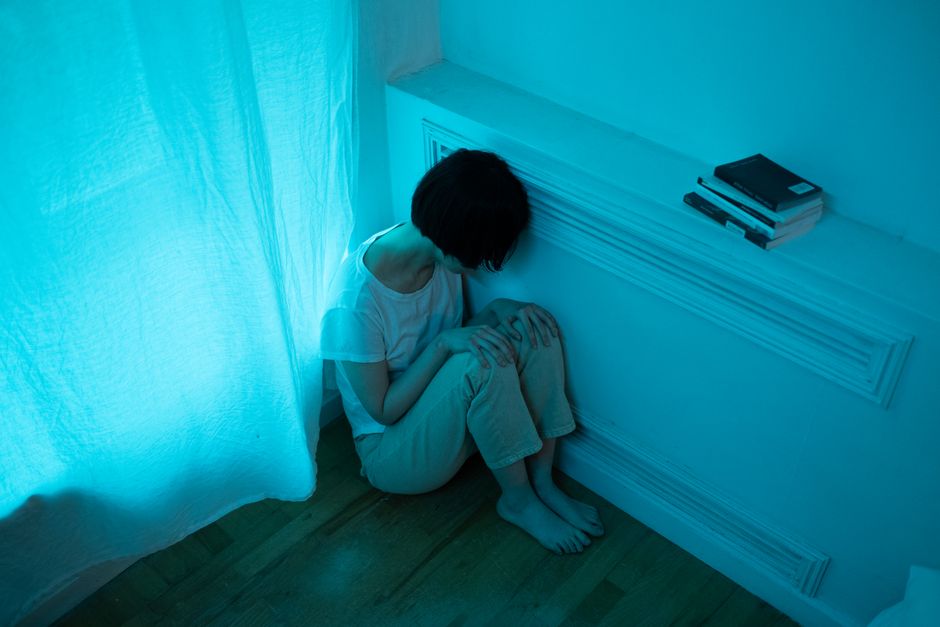
Yes, depression can make you tired. Fatigue is one of the most common and physically draining symptoms of depression, affecting your energy, motivation, and ability to get through the day. This isn’t just feeling a bit sleepy; it is a persistent, heavy exhaustion that rest and sleep often do not fix.
Why Does Depression Cause Such Deep Fatigue?
Depression is not just a mood disorder. It is a whole-body condition that changes how your brain and body function. The fatigue you feel is linked to real, measurable changes in your biology.
One major factor is brain chemistry. Depression affects neurotransmitters—chemical messengers like serotonin, norepinephrine, and dopamine—that help regulate energy, focus, and motivation. When these systems are out of balance, your body’s drive system slows down.
Another factor is the constant internal stress. Depression keeps your body in a state of low-grade stress, which raises cortisol levels. Over time, this can wear out your adrenal system and leave you feeling depleted.
Depression also disrupts sleep architecture. You might fall asleep, but you spend less time in the deep, restorative stages of sleep. Your body doesn’t get the physical repair it needs, so you wake up feeling as tired as when you went to bed.
Is It Mental Fatigue or Physical Fatigue?
Both. Depression causes a unique kind of exhaustion that affects your mind and your body at the same time.
Mental fatigue makes it hard to concentrate, remember details, or make decisions. Simple tasks like reading an email or planning a meal can feel overwhelming. This is sometimes called “brain fog.”
Physical fatigue feels like a heaviness in your limbs. Moving feels like wading through water. You might find yourself skipping activities you used to enjoy simply because you don’t have the energy to do them.
This combination is why depression fatigue is so disabling. It doesn’t just make you tired. It makes you feel slow, heavy, and disconnected from your normal self.
How Depression Fatigue Differs From Normal Tiredness
Everyone gets tired. Normal tiredness is usually relieved by a good night’s sleep or a restful weekend. Depression fatigue is different.
Depression fatigue is persistent. It lasts for weeks or months, not just a day or two. It is also disproportionate—you might feel exhausted after doing very little. And it is unrefreshing. Even after eight or nine hours of sleep, you wake up feeling just as tired.
This type of fatigue often comes with a lack of motivation. It is not that you don’t want to do things. It is that your brain doesn’t produce the reward signals that normally make effort feel worthwhile. This is a key difference between laziness and depression-related fatigue.




Can Depression Make You Sleep More or Less?
Depression affects sleep in different ways for different people. Some people with depression sleep too much, a condition called hypersomnia. Others struggle with insomnia and get too little sleep.
People with hypersomnia may sleep ten or more hours a night but still feel exhausted during the day. They may also nap frequently. This excessive sleeping is not restorative because the quality of sleep is poor.
People with insomnia have trouble falling asleep, staying asleep, or waking up too early. This creates a cycle of sleep deprivation that worsens depression symptoms, including fatigue.
Both patterns are signs that depression is affecting your sleep regulation. If you notice a sudden change in your sleep needs—either much more or much less—it is worth discussing with a healthcare provider.
What Can You Do to Manage Depression Fatigue?
Managing depression fatigue starts with treating the depression itself. Fatigue usually improves as the underlying depression gets better.
Treatment options that have strong evidence include:
- Psychotherapy like cognitive behavioral therapy (CBT), which helps you change thought patterns and behaviors that contribute to depression.
- Antidepressant medication, which can help rebalance brain chemistry. It may take several weeks to notice improvement in energy levels.
- Regular physical activity. Exercise is not a cure, but studies show it can reduce depression symptoms and boost energy over time.
- Consistent sleep schedule. Going to bed and waking up at the same time every day helps regulate your body’s internal clock.
Small daily habits also matter. Breaking tasks into smaller steps can make them feel more manageable. Getting daylight exposure in the morning can help regulate sleep and mood. Staying hydrated and eating regular meals supports your body’s basic energy needs.
Be patient with yourself. Depression fatigue does not lift overnight. It improves gradually as your treatment starts working.
When Should You See a Doctor About Depression Fatigue?
If fatigue lasts more than two weeks and interferes with your daily life, it is worth seeing a healthcare provider. This is especially important if the fatigue comes with other depression symptoms like persistent sadness, loss of interest in activities, changes in appetite, or thoughts of self-harm.
It is also important to rule out other medical causes of fatigue. Conditions like thyroid disorders, anemia, vitamin D deficiency, and sleep apnea can also cause severe tiredness. A doctor can run blood tests to check for these.
If you are already being treated for depression and the fatigue is not improving, tell your provider. Sometimes medication needs adjustment. Sometimes a different approach is needed. Do not stop taking antidepressants without medical supervision, as this can cause withdrawal symptoms and a return of depression.
If you have thoughts of harming yourself, seek help immediately. You can call or text 988 to reach the Suicide and Crisis Lifeline in the United States. This service is free, confidential, and available 24/7.
Will Depression Make You Tired Even After Treatment Starts?
Yes, this is common. Fatigue is often one of the last symptoms to improve during depression treatment. Your mood may lift before your energy returns.
Some antidepressants can also cause drowsiness or fatigue as a side effect, especially in the first few weeks. If this happens, talk to your doctor. They may adjust the dose, change the timing of the medication, or switch to a different medication that is less sedating.
Recovery from depression fatigue is gradual. Many people notice small improvements first—maybe a few more hours of productive time each day, or a slightly easier morning routine. Over weeks and months, these improvements add up.
Frequently Asked Questions
Can depression make you tired all day?
Yes, depression can cause persistent fatigue that lasts throughout the day. This tiredness often feels heavy and unrelenting, and it does not go away with rest or sleep.
Why do I feel exhausted even after sleeping 10 hours with depression?
Depression disrupts the quality of your sleep, reducing the deep restorative stages your body needs. You may be getting enough hours but not enough quality sleep to feel refreshed.
Does depression fatigue go away with treatment?
Yes, fatigue typically improves as depression is treated effectively. It is often one of the last symptoms to resolve, so improvement can take several weeks or months.
Is being tired a sign of depression or just a symptom of it?
Fatigue is one of the core symptoms used to diagnose depression. When tiredness is persistent, unexplained, and accompanied by other mood changes, it may be a sign of depression.
