
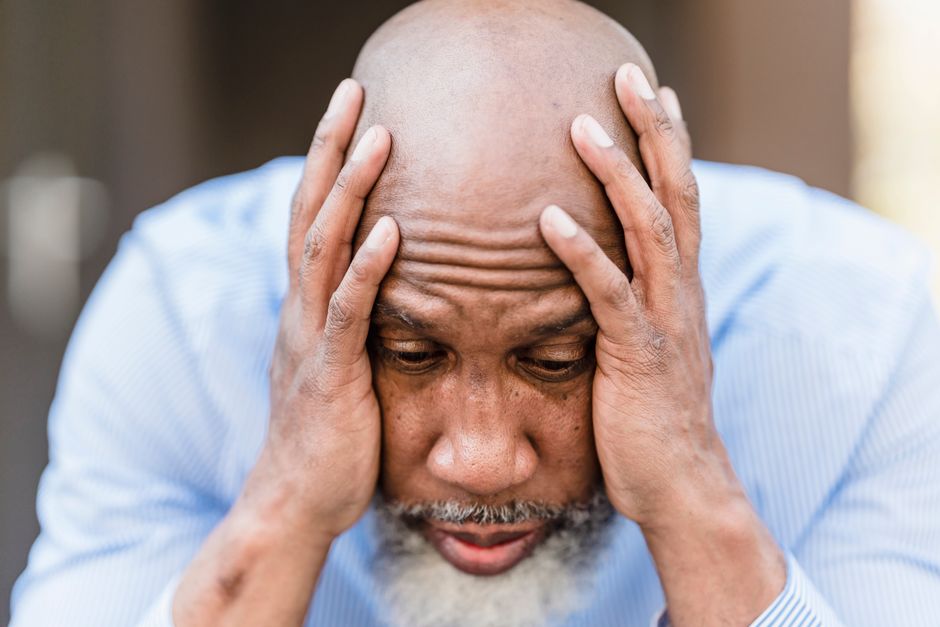
Depression does not look the same in everyone. The core signs are a low or empty mood, loss of interest in things that used to matter, and changes in sleep, appetite, and energy that last most of the day, nearly every day, for at least two weeks. How those signs show up changes with age and with the type of depression, which is why a teenager, a new mother, and a 70-year-old man can all be depressed and look completely different doing it.
That two-week window is not arbitrary. It is part of the diagnostic criteria clinicians use to separate depression from a bad week or a normal grief reaction. Knowing the full range of signs helps you spot it in yourself or someone you love, especially when the obvious sadness is missing.
What Are The Signs Of Depression All Ages And Types?
The signs fall into two groups: mood and thinking, and the body. A diagnosis of major depression requires at least five symptoms present for two weeks or more, and at least one of them must be depressed mood or loss of interest or pleasure.
The symptoms clinicians look for include:
- Depressed mood most of the day, nearly every day
- Markedly reduced interest or pleasure in almost all activities
- Significant weight change or appetite change not explained by dieting
- Sleeping too little or too much nearly every day
- Restlessness or slowed movement noticeable to others
- Fatigue or loss of energy
- Feelings of worthlessness or excessive guilt
- Trouble thinking, concentrating, or making decisions
- Recurrent thoughts of death or suicide
These criteria come from the Diagnostic and Statistical Manual of Mental Disorders, the standard reference used in US clinical practice. The manual also requires that the symptoms cause real distress or problems functioning, and that they are not better explained by a substance or another medical condition.
One clarification worth making: depression is not always sadness. For some people the dominant feeling is flatness, irritability, or a heavy physical sluggishness. A person can meet every criterion for major depression and never once describe themselves as sad.
How Do Depression Signs Differ In Children And Teens?
In children and teenagers, irritability often replaces sadness as the most visible sign. A depressed child may be cranky, quick to anger, and prone to outbursts rather than tearful.
Children may also complain of stomachaches or headaches that have no clear physical cause. They may refuse to go to school, cling more than usual, or lose interest in play. Falling grades and trouble concentrating can be the first thing a parent notices.
Teens add another layer. Depression in adolescence frequently shows up as withdrawal from family, a drop in school performance, changes in friend groups, risky behavior, or substance use. Sleep patterns shift, though some sleep change is normal in adolescence, so the pattern matters more than any single night.
Irritability and mood swings are also ordinary parts of growing up. The difference with depression is duration and impact. When the low mood or irritability persists for weeks and starts interfering with school, friendships, or home life, that is the point to bring in a professional.
What Are The Warning Signs In Older Adults?
Depression in older adults is often mistaken for normal aging or for a physical illness. That mistake is common and it delays care.
Older adults may report physical complaints, such as pain, digestive problems, or fatigue, more readily than they report sadness. Memory trouble and confusion can be prominent, sometimes called pseudodementia when depression is the underlying cause. Apathy, social withdrawal, and neglecting self-care like meals or medication are also frequent.
Depression is not a normal or inevitable part of aging. It is a treatable condition at any age. It also frequently occurs alongside chronic illness, and the two can worsen each other, which makes it easy to attribute symptoms to the physical condition alone.
One sign deserves special attention in this group. Older adults, particularly older men, have higher rates of completed suicide than younger people, and they may show fewer obvious warning signs beforehand. Any talk of not wanting to go on should be taken seriously and acted on.
How Do The Different Types Of Depression Show Up?
The type of depression changes which signs are most prominent. Major depressive disorder is the classic form described above. Persistent depressive disorder, sometimes called dysthymia, is a milder but longer-lasting low mood that persists for at least two years in adults. Its signs are quieter and easier to miss because the person may function, just not feel well.
Perinatal depression occurs during pregnancy or in the weeks and months after birth. Signs include intense sadness, anxiety, guilt, trouble bonding with the baby, and feeling unable to care for yourself or the infant. It is different from the common and short-lived “baby blues,” which typically ease within about two weeks. Perinatal depression is more persistent and can be serious, and it is treatable. Anyone experiencing it should contact a healthcare provider promptly.
Seasonal affective disorder follows a seasonal pattern, most often in winter when daylight is short. Along with low mood, it commonly brings increased sleep, increased appetite, weight gain, and low energy. It is more than the winter blues and tends to recur at the same time each year.
Bipolar depression is depression that is part of bipolar disorder, which also includes periods of elevated or irritable mood and increased energy called mania or hypomania. This distinction matters a great deal because the treatment for bipolar depression differs from the treatment for major depression, and getting it wrong can cause harm. This is one reason a careful evaluation by a clinician matters before starting treatment.
What Physical Signs Point To Depression?
Depression is a whole-body condition, not just a mood. The body changes are real and measurable in many cases.
Sleep is one of the clearest signals. Some people cannot fall asleep or wake far too early. Others sleep far more than usual and still feel unrested. Appetite shifts in either direction, with some people losing weight without trying and others eating more, especially carbohydrates.
Energy drops. Everyday tasks feel like heavy lifting. Some people notice slowed speech and movement that others can see, or the opposite, a restless inability to sit still. Pain, headaches, and digestive complaints are more common in people with depression, though the reasons are complex and not fully understood.
These physical signs do not prove depression on their own. Many medical conditions cause the same symptoms, including thyroid problems, anemia, and sleep disorders. That is why a medical check is a reasonable part of a depression evaluation, to rule out other causes.
When Should You Get Help?
Get help when symptoms last more than two weeks, when they interfere with work, school, relationships, or self-care, or when they include any thoughts of self-harm or suicide. Any of those is reason enough to reach out, and you do not need to wait for it to get worse.
Suicidal thoughts are a medical emergency. If you or someone near you is in danger, call or text the 988 Suicide and Crisis Lifeline in the US, or go to the nearest emergency room. Do not wait to see if it passes.
Depression is treatable, and most people improve with appropriate care. Treatment commonly includes talk therapy, medication, or both, and the right approach depends on the type and severity. A primary care clinician can be a good first stop and can refer you to a mental health specialist when needed.
If you recognize these signs in yourself, naming them out loud to a professional is a solid first step. If you recognize them in someone else, saying something simple and direct, like “I have noticed you seem different lately and I am worried,” can open a door that person could not open alone.
Frequently Asked Questions
How long do symptoms need to last to count as depression?
For major depression, symptoms must be present most of the day, nearly every day, for at least two weeks. A shorter low mood after a hard event is common and does not automatically mean depression.
Can depression happen without feeling sad?
Yes. Some people mainly notice irritability, emptiness, fatigue, or physical complaints rather than sadness. This is one reason depression is often missed.
Is depression in older adults normal?
No. Depression is not a normal part of aging and is treatable at any age. It is often mistaken for physical illness or memory decline, so it can go unrecognized.
What is the difference between baby blues and perinatal depression?
Baby blues are common, mild, and usually ease within about two weeks after birth. Perinatal depression is more persistent and intense, can affect daily functioning, and should be evaluated by a healthcare provider.
