
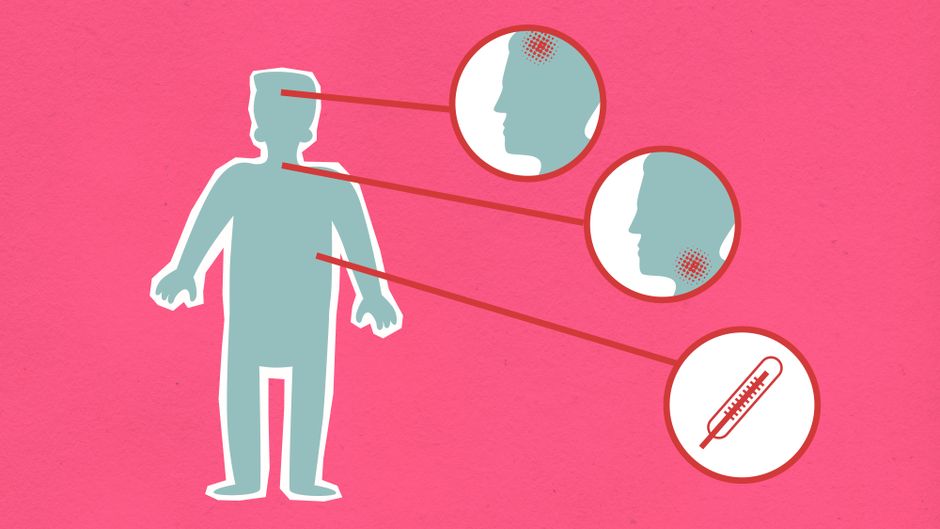
Yes, an ear infection can cause headaches. The pain from an infected ear often spreads to the same side of the head, creating a headache that feels like it is coming from deep inside. This is a common symptom, especially with middle ear infections, because the ear and the surrounding areas of the head share the same nerve pathways.
How Does an Ear Infection Trigger Head Pain?
The ear is not an isolated organ. It sits deep inside the temporal bone of the skull, and its nerve supply is shared with the jaw, throat, and the lining of the brain. When the middle ear becomes infected, fluid builds up behind the eardrum. This increases pressure, which pushes on the eardrum and the sensitive structures around it.
That pressure is what you feel as ear pain. But the same nerve signals can travel along those shared pathways, causing pain to radiate into the temple, the side of the face, or the back of the head. This is called referred pain. The headache you feel is real, but the source of the problem is the ear itself.
What Kind of Headache Does an Ear Infection Cause?
The headache from an ear infection is usually on the same side as the infected ear. It tends to be a dull, aching pain rather than a sharp or throbbing migraine. The pain often gets worse when you lie down, because lying flat increases the pressure inside the middle ear.
You may also notice the headache worsens when you chew, yawn, or swallow. These movements open and close the Eustachian tube, the small passage that connects the middle ear to the back of the throat. If that tube is swollen from the infection, the pressure changes can spike your pain level.
Are All Ear Infections the Same?
No. The type of ear infection matters when predicting whether a headache will occur.
- Middle ear infection (otitis media): This is the most common type and the one most likely to cause headaches. The buildup of fluid and pressure behind the eardrum is a direct source of pain that radiates to the head.
- Outer ear infection (otitis externa): Also called swimmer’s ear, this affects the ear canal. It causes pain when the ear is touched or pulled. Headaches are less common here, but they can occur if the infection spreads.
- Inner ear infection (labyrinthitis): This type affects balance and hearing. It often comes with dizziness and nausea. Headache is not the primary symptom, but some people report head pressure or a general feeling of being unwell.





When Should Headache and Ear Pain Worry You?
Most ear infections clear up on their own or with antibiotics. But some situations need urgent medical attention. A headache combined with ear pain can occasionally signal a more serious problem, such as the infection spreading beyond the ear.
Seek medical care right away if you have any of the following:
- High fever above 103°F that does not come down with medication
- Severe headache that is the worst you have ever had
- Stiff neck that makes it hard to touch your chin to your chest
- Confusion, drowsiness, or difficulty waking
- Swelling or redness behind the ear
- The ear itself sticking out further than normal
- Facial weakness or drooping on one side
- Difficulty seeing or double vision
These symptoms can indicate mastoiditis, an infection of the bone behind the ear, or even meningitis. These are serious conditions that require immediate treatment. Do not wait to see if they improve at home.
How Can You Tell If It Is an Ear Infection or a Migraine?
Migraines can also cause ear pain. Some people experience ear pressure or fullness during a migraine attack, which can make it hard to tell the difference. The distinction matters because the treatments are completely different.
An ear infection usually comes with other signs. You may have a fever, feel fluid draining from the ear, or notice reduced hearing on that side. Children often tug at the affected ear. A migraine, on the other hand, often comes with sensitivity to light and sound, visual disturbances like flashing lights, and nausea. The pain of a migraine is typically throbbing and can be on one or both sides of the head.
If you are unsure, look at the other symptoms. If hearing loss or a feeling of fullness in the ear is present, an ear infection is more likely. If you have light sensitivity or visual changes, a migraine is the more probable cause. Some research suggests that people with a history of migraines may be more likely to develop ear infections, but the connection is not fully understood.
Does Treating the Ear Infection Stop the Headache?
Yes, in most cases. Once the infection is treated and the pressure inside the ear drops, the headache usually fades. The timeline depends on the treatment.
If the infection is bacterial, antibiotics will start working within 24 to 48 hours. You should notice gradual improvement in both ear pain and headache during that time. If the infection is viral, antibiotics will not help. The infection must run its course, which typically takes several days. Over-the-counter pain relievers like acetaminophen or ibuprofen can manage the pain during this period.
For pain relief, warm compresses applied to the outside of the ear can help. Resting in an upright position rather than lying flat may also reduce pressure and ease the headache. Do not put anything inside the ear, including drops, unless a doctor has prescribed them.
Can an Ear Infection Cause a Headache After It Is Gone?
Sometimes. Fluid can remain trapped in the middle ear for weeks after the infection itself has cleared. This is called serous otitis media. The fluid does not contain active bacteria, but it still creates pressure. That pressure can cause a persistent feeling of fullness in the ear and a low-grade headache.
This is not dangerous. The fluid usually drains on its own within a few weeks. If it does not, a doctor may recommend a procedure to drain it. In the meantime, the headache should be mild and manageable with basic pain relief. If the headache is severe or getting worse weeks after the infection, that is a reason to see a doctor again.
How Long Do Ear Infection Headaches Last?
For most people, the headache lasts as long as the active infection does. That means three to seven days for a typical middle ear infection. If you are taking antibiotics, the headache should improve noticeably within the first two days. If you are not taking antibiotics, the headache will gradually fade as your immune system clears the infection.
If the headache persists beyond two weeks, or if it gets worse instead of better, see a doctor. Persistent pain could indicate the infection has not fully cleared, or that a different condition is responsible for the headache.
Frequently Asked Questions
Can an ear infection cause a headache on the other side of the head?
Yes, but it is less common. The pain usually stays on the same side as the infected ear, but nerve pathways can sometimes cause pain to be felt on both sides.
Should I go to the ER for an ear infection with a headache?
Only if the headache is severe, you have a high fever, a stiff neck, or confusion. These can be signs of a serious complication that needs immediate care.
Can a sinus infection cause ear pain and a headache?
Yes. The sinuses and ears are connected by the same drainage passages. A sinus infection can cause pressure that affects the ears, leading to pain and fullness.
Will a headache from an ear infection go away without antibiotics?
It can. Many ear infections are viral and clear on their own within a week. The headache will fade as the infection resolves, but pain relief medication can help in the meantime.
