
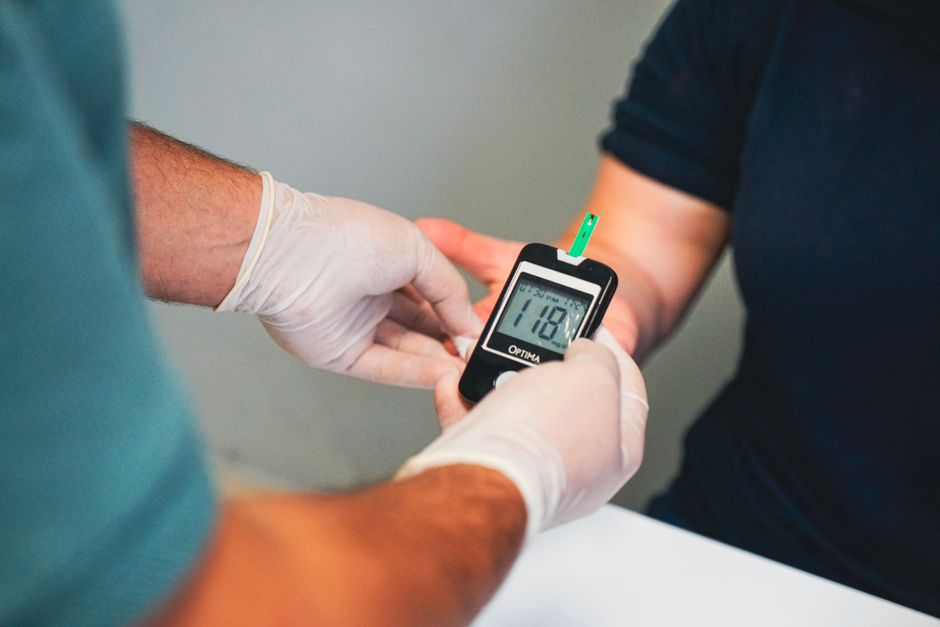
Yes, alcohol can affect your blood test results, and the effects depend on how much you drink, how recently you drank, and which test you are taking. A single heavy night can shift liver enzymes, blood sugar, and hydration markers. Long-term drinking changes results in different and often more lasting ways. If you have a blood test scheduled, telling your doctor how much you drink — and when you last drank — matters more than most people realize.
How Does Alcohol Affect Your Blood Test Results?
Alcohol is processed almost entirely by your liver, and that processing leaves fingerprints on several common lab tests. The liver breaks alcohol down in two main steps: an enzyme called alcohol dehydrogenase converts it to acetaldehyde, then another enzyme converts that to acetate. The first step changes the balance of certain molecules inside liver cells, and that shift is what shows up on a lab report.
One of the most reliable effects is on a liver enzyme called GGT (gamma-glutamyl transferase). GGT rises with alcohol intake, and it can stay elevated for weeks after a person stops drinking heavily. Doctors sometimes use GGT as a rough marker of recent drinking, though it is not specific to alcohol — other liver conditions and some medications raise it too.
Alcohol also affects hydration. It reduces the release of a hormone called vasopressin, which tells your kidneys to hold onto water. The result is more urine output and, often, mild dehydration. That can concentrate your blood, making certain measurements look higher than they would on a normal day.
Timing matters as much as quantity. A single episode of heavy drinking can change some results within hours. The effects of regular drinking build up over months and years. Your doctor needs both pieces of information to interpret a result correctly.
Which Blood Tests Are Most Affected by Alcohol?
Several routine tests are sensitive to alcohol. The ones below are the most common, though not every person will see every change.
Liver function tests. This panel usually includes ALT, AST, and GGT. Alcohol tends to raise GGT and AST more than ALT. In alcohol-related liver injury, the AST-to-ALT ratio often climbs above 2:1, which is a pattern doctors look for. That ratio is not proof of alcohol use on its own — other conditions can produce it — but it is a recognized clue.
Mean corpuscular volume (MCV). This measures the average size of your red blood cells. Heavy drinking over a long period can make red blood cells larger than normal. MCV changes slowly, so it reflects long-term patterns rather than last weekend.
Blood glucose. Alcohol can lower blood sugar, especially if you drink on an empty stomach or take insulin or certain diabetes medications. It can also raise blood sugar in other situations. For someone with diabetes, this unpredictability is a real safety concern.
Triglycerides. Alcohol raises triglyceride levels, sometimes substantially after a heavy drinking episode. Triglycerides are part of a standard lipid panel, so a recent binge can distort that result.
Complete blood count. Heavy long-term drinking can lower platelet counts and affect white blood cells. These changes are more typical of chronic, heavy use than of occasional drinking.
How Long Should You Avoid Alcohol Before a Blood Test?
For most routine blood tests, avoiding alcohol for 24 to 48 hours before the draw is a reasonable precaution, and many labs ask for fasting for 8 to 12 hours before certain tests. That said, no single rule fits every test, and your doctor’s instructions should take priority.
The reason for the 24-to-48-hour window is practical: it covers the acute effects of a recent drinking episode on hydration, glucose, and triglycerides. It does not erase the effects of long-term drinking, which can persist for weeks. If you drink heavily and regularly, a short break before a test will not fully normalize your results — and that is useful information for your doctor, not a problem to hide.
Some tests need more specific preparation. A fasting glucose or lipid panel requires you to fast, and alcohol can interfere with fasting because it affects blood sugar. If you are unsure what your test requires, call the lab or your doctor’s office before the appointment. Do not guess.
One point people often miss: the goal of preparation is not to make your results look clean. It is to make them accurate. If you drink heavily and stop for two days before a test, your results may look better than your usual baseline, which can delay a diagnosis you actually need.



Can a Single Night of Drinking Change Your Results?
Yes, one heavy night can shift several results, though the size of the change varies widely from person to person. The most likely short-term effects are on hydration, blood glucose, and triglycerides.
Dehydration from alcohol can concentrate your blood and make measurements like hematocrit (the proportion of red blood cells in your blood) look higher than usual. A night of heavy drinking can also raise triglycerides temporarily. And if you drink without eating, your blood sugar may drop.
Liver enzymes usually do not spike dramatically from a single episode in a healthy person, but they can rise after repeated heavy drinking over several days. The pattern is dose-dependent: more alcohol, more effect. Body weight, sex, genetics, medications, and liver health all influence how much a given amount of alcohol affects you.
If you had a big night out and your test is the next morning, tell the person drawing your blood or your doctor. That context can prevent a misleading result from being taken at face value.
Does Moderate Drinking Affect Test Results?
The evidence here is less clear than for heavy drinking. Moderate drinking — generally defined as up to one drink per day for women and up to two per day for men in US dietary guidance — is unlikely to cause large shifts in most routine tests in healthy people. But “unlikely” is not “never.”
Some studies suggest that even moderate intake can raise GGT slightly and affect triglycerides in some people. The effects are smaller and harder to detect than with heavy drinking. Individual variation is large, and what counts as moderate for one person may not be moderate for another, especially if there is underlying liver disease or a medication interaction.
For anyone with known liver disease, diabetes, or a condition that affects blood counts, the safe approach is to discuss alcohol with your doctor rather than rely on general guidance. The evidence does not support a firm “safe” threshold for lab testing in these groups.
What Should You Tell Your Doctor Before a Blood Test?
Be direct about how much you drink and when you last drank. This is one of the most useful pieces of information you can give, and it is often the one people leave out.
Doctors are not asking to judge you. They are asking because alcohol changes how results should be read. A GGT of 60 means something different in someone who drinks daily than in someone who does not drink at all. Without that context, a doctor may order unnecessary follow-up tests or miss a real problem.
- How many drinks you have in a typical week
- Whether you drank in the 24 to 48 hours before the test
- Any recent heavy drinking episodes
- Medications you take, including over-the-counter drugs — some interact with alcohol
- Whether you have symptoms like fatigue, nausea, or right-upper abdominal discomfort
If you are worried about your drinking, say so. Your doctor can point you toward support, and that conversation is confidential. The test result is only one piece of the picture.
What If Your Results Come Back Abnormal?
An abnormal result does not mean something is wrong with your liver or your health. It means the number fell outside the reference range, and there are many reasons that can happen.
Alcohol is one possible cause, but so are medications, other illnesses, fasting status, hydration, and lab variation. A single abnormal result is usually rechecked before any diagnosis is made. Doctors look at patterns across several tests, not one number in isolation.
If your doctor suspects alcohol is involved, they may ask you to abstain for a period and repeat the test. That is a reasonable way to see whether the numbers normalize. It is also a chance to have an honest conversation about your drinking habits. The evidence on how quickly results normalize varies by test — GGT can take weeks — so do not expect overnight changes.
The most useful thing you can do is follow up. An abnormal result that goes unaddressed is a missed opportunity. An abnormal result that is investigated and explained is just information.
Frequently Asked Questions
Will one beer affect my blood test tomorrow?
One standard drink is unlikely to meaningfully change most routine blood tests in a healthy person, though it can slightly affect hydration and blood sugar. If your test requires fasting, follow your doctor’s instructions exactly.
How long does alcohol stay in your blood?
Alcohol is typically cleared from the bloodstream within several hours, depending on how much you drank and your body weight. The effects on liver enzymes and other markers can last much longer than the alcohol itself.
Can alcohol cause a false blood test result?
Alcohol can distort several results, including liver enzymes, triglycerides, and blood glucose, rather than producing a single “false” result. Telling your doctor about your drinking helps them interpret the numbers correctly.
Should I stop drinking before a liver function test?
Avoiding alcohol for 24 to 48 hours before the test is a reasonable precaution, but it will not erase the effects of long-term heavy drinking. Ask your doctor how long to abstain for your specific test.
