
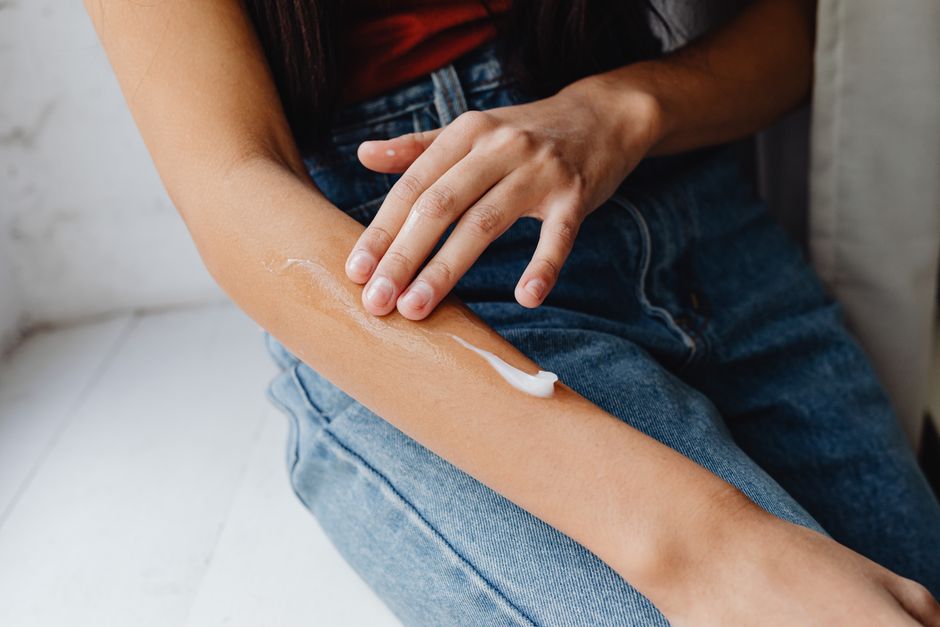
Dry, itchy skin happens when the outer layer of your skin loses water and its protective barrier stops working the way it should. That barrier is made of skin cells, fats, and proteins that normally hold moisture in and keep irritants out. When it breaks down, moisture escapes and itch signals fire more easily. The causes range from cold weather and harsh soaps to skin conditions like eczema and psoriasis, plus some internal health problems.
Why Is My Skin So Dry And Itchy Causes Explained?
Your skin has an outer layer called the stratum corneum. Think of it as a brick wall. Skin cells are the bricks, and a mix of fats — ceramides, cholesterol, and fatty acids — acts as the mortar. This wall keeps water inside your body and keeps bacteria, allergens, and chemicals out.
When the mortar breaks down, two things happen at once. Water evaporates from your skin faster than normal, and irritants slip through the gaps. The nerve endings just beneath the surface become more sensitive. That is why dry skin so often comes with itch, and why scratching makes both worse.
This process is called barrier dysfunction, and it sits at the center of most dry, itchy skin. The specific trigger on top of it varies from person to person. Below are the causes that matter most.
What Skin Conditions Cause Dryness And Itching?
Several diagnosed skin conditions produce dry, itchy skin as a core symptom rather than a side effect.
- Eczema (atopic dermatitis) — a chronic condition where the skin barrier is genetically weaker and the immune system overreacts to irritants. It causes dry, inflamed, intensely itchy patches, often in the elbow and knee creases.
- Psoriasis — an autoimmune condition where skin cells multiply too fast, building up into thick, scaly plaques. Itching is common, and the plaques can crack and bleed.
- Contact dermatitis — a reaction where skin touches something irritating or allergenic, such as nickel, fragrances, or certain plants. It stays mostly in the area that made contact.
- Seborrheic dermatitis — flaking and itching on oily areas like the scalp, eyebrows, and sides of the nose.
- Fungal infections — conditions like athlete’s foot or ringworm cause itching, often with a visible rash or scaling.
These conditions are diagnosed by pattern, location, and history. A dermatologist can usually tell them apart, but some overlap. Eczema and psoriasis, for example, can look similar on certain parts of the body.
How Does Aging Change Your Skin?
Skin gets drier with age, and this is not just about wrinkles. The sebaceous glands that produce oil slow down. So does the skin’s ability to make and hold onto the fats that form the barrier. The result is skin that loses water more easily and recovers more slowly from irritation.
This shift usually becomes noticeable in the 40s and continues from there. It is a normal part of aging, not a disease. But it means the same soap or weather that never bothered you at 25 can leave you itchy at 55.
Older adults also tend to have thinner skin, which makes nerve endings more exposed. That can make itching feel sharper. It also means scratching does more damage faster.





What Environmental And Lifestyle Factors Trigger Dry Itchy Skin?
External triggers are the most common and the most fixable.
Low humidity is a major one. Cold winter air holds little moisture, and indoor heating dries it further. This is why dry, itchy skin flares in winter for so many people. Hot showers and baths strip oils from the skin’s surface, and long soaks in very hot water make dryness worse.
Harsh soaps and cleansers remove the skin’s natural oils. So can alcohol-based products, some laundry detergents, and fragranced lotions. Anything that leaves skin feeling tight after washing is a sign it stripped too much.
Other common triggers include:
- Swimming in heavily chlorinated pools
- Frequent hand washing, especially with hot water
- Wool and rough fabrics rubbing against skin
- Stress, which can worsen itching in people with eczema
- Smoking, which affects skin blood flow and repair
One thing worth knowing: moisturizing after a shower, while skin is still damp, traps more water than applying it to dry skin later. The timing matters as much as the product.
Can Medical Conditions Inside The Body Cause Dry Itchy Skin?
Yes. When dry, itchy skin is widespread, persistent, and does not respond to moisturizing, it can be a sign of an internal problem. These causes are less common than environmental ones, but they matter because treating the skin alone will not help.
Hypothyroidism — an underactive thyroid slows many body functions, including oil production and skin cell turnover. Skin becomes dry, rough, and sometimes itchy.
Diabetes — high blood sugar can pull water from tissues and damage small nerves and blood vessels. This can cause dry skin and itching, often on the lower legs.
Kidney disease — when kidneys cannot filter waste properly, buildup in the blood can cause widespread itching. This is common in advanced kidney disease.
Liver disease — conditions that block bile flow can raise bile acids in the blood, which causes itching. It often starts on the hands and feet and spreads.
Iron deficiency and other blood disorders — low iron can cause itching, sometimes without a visible rash.
Certain cancers — some lymphomas and other cancers can cause generalized itching. This is rare, but persistent unexplained itching that does not respond to treatment is worth a medical workup.
This list is not meant to alarm. Most dry, itchy skin is not a sign of serious disease. The point is that when skin symptoms are unusual — widespread, constant, or unresponsive — a doctor should look beyond the skin surface.
When Should You See A Doctor About Dry Itchy Skin?
See a doctor if itching is severe enough to disturb sleep, if it lasts more than a few weeks despite moisturizing, or if it comes with a rash, swelling, or signs of infection like warmth, pus, or red streaks. Also see a doctor if itching is widespread across your body rather than in one area.
Get medical attention quickly if dry, itchy skin comes with unexplained weight loss, fever, night sweats, or yellowing of the eyes or skin. These can point to a condition that needs prompt evaluation.
For most people, though, dry itchy skin is manageable. The key is to restore the barrier and stop the cycle of scratching.
What Actually Helps Dry Itchy Skin?
Treatment depends on the cause, so the first step is knowing what you are dealing with. For run-of-the-mill dry skin, the approach is straightforward.
Moisturize regularly — thick creams and ointments hold water better than thin lotions. Look for products with ceramides, glycerin, or petrolatum. Apply within a few minutes of bathing.
Shorten and cool your showers — keep water warm, not hot, and limit time in the water. Use a gentle, fragrance-free cleanser.
Add moisture to the air — a humidifier helps in dry climates and heated homes.
Avoid scratching — it damages the barrier and triggers more itch. Cool compresses and keeping nails short can help.
For diagnosed conditions like eczema or psoriasis, prescription treatments may be needed. These include topical steroids, calcineurin inhibitors, or other medications that calm the immune response. Over-the-counter hydrocortisone can help short-term itching, but it is not meant for long-term use on large areas without medical guidance.
If an internal condition is the cause, treating that condition is what resolves the skin symptoms. Moisturizers alone will not fix itching driven by kidney or liver disease.
What Does Not Work For Dry Itchy Skin?
Some popular remedies have little or no evidence behind them. Others can make things worse.
- Drinking extra water does not hydrate skin directly. Skin moisture depends on barrier function, not how much water you drink, unless you are dehydrated.
- Essential oils and fragranced “natural” products often irritate skin further. Fragrance is one of the most common contact allergens.
- Scrubbing or exfoliating dry skin removes protective cells and worsens the problem.
- Very hot baths with oils or salts may feel soothing but can strip skin and dry it out more over time.
There is no single product that fixes dry skin for everyone. What works depends on the cause and your skin’s individual response.
Frequently Asked Questions
What is the most common cause of dry itchy skin?
Environmental factors like low humidity, hot showers, and harsh soaps are the most common causes. These strip the skin’s protective oils and let moisture escape.
Can dry itchy skin be a sign of a serious illness?
Rarely, but it can be. Widespread itching that does not respond to moisturizing may be linked to thyroid, kidney, liver, or blood conditions, so persistent cases should be checked by a doctor.
Does drinking more water help dry skin?
Not directly. Skin moisture depends on how well your barrier holds water in, not on how much you drink, unless you are actually dehydrated.
Why does my skin get itchier at night?
Body temperature, bedding, and lower humidity at night can all increase itching. Distraction also drops away, so itch signals feel stronger when you are trying to sleep.
