
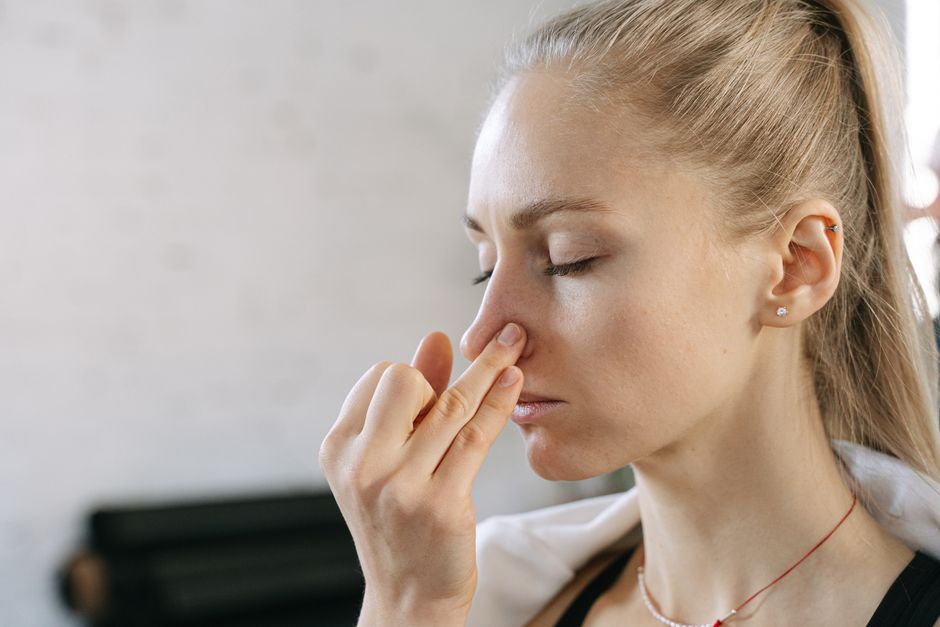
A runny nose happens when the tissues lining your nose produce more mucus than your nose can clear. That extra fluid drips forward out of your nostrils or backward down your throat. The cause is usually one of a few things: a cold or other viral infection, allergies, cold air, or a reaction to something in your environment. Which one is driving it decides what actually helps.
Most runny noses are not a sign that something is wrong with your immune system. They are a sign that it is working. The trick is figuring out which trigger is at play, because a treatment that dries up one type of runny nose can do nothing for another.
Why Your Nose Runs Like A Faucet And How To Stop It?
Your nose makes mucus all day, every day. It is not a symptom. It is a feature. The lining of your nasal passages produces roughly a quart of mucus daily, and most of it slides quietly down the back of your throat and gets swallowed without you noticing.
Mucus does real work. It traps dust, pollen, bacteria, and viruses before they reach your lungs. It carries antibodies and infection-fighting proteins. It keeps the tissue inside your nose moist so it does not crack and bleed.
A runny nose means one of two things is happening. Either your nose is making more mucus than usual, or the tiny hair-like structures that normally sweep mucus backward have slowed down, so it pools and drips forward instead. Often both happen at once.
The two main pathways
Triggers push your nose toward a runny state through different routes.
- Infection: Viruses inflame the nasal lining and trigger extra mucus production. The mucus starts clear and often turns thicker and cloudy over several days.
- Allergy: Your immune system mistakes a harmless particle, like pollen or dust mite protein, for a threat and releases histamine. Histamine makes blood vessels leak fluid into the nasal tissue, which is why allergies cause both a runny nose and congestion.
- Cold air and temperature change: Cold air can trigger reflex mucus production and slow the sweeping action of the nasal lining.
- Irritants: Smoke, strong fragrances, and air pollution irritate the lining directly.
Knowing which pathway is active matters because the treatments are not interchangeable. An antihistamine targets the histamine pathway. It will not dry up a viral cold. A decongestant shrinks swollen blood vessels. It does not stop allergy mucus production.
Is a Runny Nose From a Cold or Allergies?
The two look similar but usually behave differently. A cold runny nose tends to come with a sore throat, mild fatigue, and sometimes a low fever, and it typically improves over about a week to ten days. Allergy runny nose tends to come with itching of the eyes, nose, or roof of the mouth, and it lasts as long as you are exposed to the trigger.
Itching is the single most useful clue. Colds rarely make your eyes or nose itch. Allergies often do.
Another clue is timing. Allergy symptoms often follow a pattern. They may flare during a specific pollen season, after you clean a dusty room, or every time you are around a particular pet. Cold symptoms usually start suddenly and follow a predictable arc over several days.
Some people have both at once. If you have allergic rhinitis and catch a cold, the symptoms stack. That is one reason a runny nose can feel worse than expected.
What Actually Stops a Runny Nose?
No single remedy works for every cause. What helps depends on the trigger. Below are the approaches with the most support, grouped by what they do.
For allergy-driven runny nose
Antihistamines block histamine, the chemical behind allergy symptoms. Older antihistamines like diphenhydramine and chlorpheniramine work but commonly cause drowsiness. Newer ones such as loratadine, cetirizine, and fexofenadine are less sedating for most people. These are available over the counter, and dosing instructions on the package should be followed.
Intranasal corticosteroid sprays are considered a first-line treatment for allergic rhinitis by allergy and immunology specialists. They reduce inflammation in the nasal lining directly. They take several days to reach full effect, so they work best when used consistently rather than only on bad days.
Saline nasal rinses can flush allergens and mucus out of the nose. They are a reasonable add-on and do not interact with medications. If you use a rinse, use distilled, sterile, or previously boiled and cooled water. Tap water is not safe for nasal rinsing because of the risk of a rare but serious infection.
For cold-driven runny nose
There is no cure for the common cold. Antibiotics do not work against viruses. Treatment is about managing symptoms while your body clears the infection.
Decongestants such as pseudoephedrine shrink swollen nasal blood vessels and can reduce both congestion and dripping. They can raise blood pressure and cause jitteriness, so people with high blood pressure, heart conditions, or thyroid problems should check with a clinician first. Decongestant nasal sprays should not be used for more than three days in a row because they can cause rebound congestion that is worse than the original problem.
Oral decongestants and antihistamine combinations are sold for cold symptoms. Evidence for their benefit in adults is modest. They may help some people and do little for others. First-generation antihistamines in these products mainly help by making you sleepy, which is not the same as treating the cold.
For cold-air and irritant triggers
If cold air sets off your nose, a scarf or mask over the nose and mouth can warm the air before it reaches your nasal lining. Avoiding smoke and strong fragrances removes the irritant. These steps are simple and low risk.





Do Home Remedies for a Runny Nose Work?
Some do, and some do not. It helps to separate the two.
Saline rinses and sprays have reasonable support for loosening mucus and clearing irritants. Steam and humidified air are widely used and often feel soothing, but the evidence that they shorten a cold or stop a runny nose is limited. They are low risk, so trying them is reasonable.
Drinking fluids keeps you hydrated, which helps keep mucus thin. This is sensible general care, though it is not a treatment that stops a runny nose on its own.
Vitamin C, zinc, and echinacea are often marketed for colds. The evidence is mixed. Some studies suggest zinc lozenges started within the first day or two of symptoms may shorten a cold slightly, but results vary and zinc can cause nausea and a lasting metallic taste. No remedy has been shown to reliably stop a runny nose once it has started.
One clarification worth knowing: a runny nose turning from clear to yellow or green does not mean you have a bacterial infection or need antibiotics. Mucus color changes because of immune cells and proteins in the mucus, not because of bacteria. This is one of the most common reasons people ask for antibiotics they do not need.
When Should You See a Doctor for a Runny Nose?
Most runny noses are not serious and clear on their own. Certain situations deserve medical attention.
- Symptoms that last more than about ten days without improving, or that improve and then get worse.
- A high fever, severe facial pain, or swelling around the eyes.
- Thick discharge from one side of the nose only, especially with blood.
- A runny nose after a head injury, particularly if the fluid is clear and watery and comes from one nostril. This can be cerebrospinal fluid and needs urgent evaluation.
- Runny nose with wheezing or trouble breathing.
In children, a runny nose with a foreign object in the nose is a common cause of one-sided discharge. This is worth considering if the discharge is foul-smelling and from one side only.
For most adults with a simple runny nose, a clinician visit is not needed. The exception is when symptoms persist, keep returning, or interfere with daily life. Persistent symptoms may point to non-allergic rhinitis, a condition where the nose overreacts to triggers like temperature, smells, or medications without an allergy present. That condition has different treatment options and is worth discussing with a clinician.
Can You Prevent a Runny Nose?
You cannot prevent every runny nose, but you can reduce how often triggers set one off.
For allergies, reducing exposure helps. Keep windows closed during high pollen counts, shower after being outdoors, and wash bedding regularly in hot water to reduce dust mites. If you know your triggers, avoiding them is the most direct step.
For colds, hand washing and avoiding close contact with sick people reduce the chance of catching a virus. There is no proven way to prevent a cold once you have been exposed.
For cold-air triggers, covering your nose and mouth in winter can reduce the reflex response. For irritant triggers, avoiding smoke and strong scents is the main step.
Frequently Asked Questions
Why does my nose run when I eat?
This is called gustatory rhinitis, and it is a reflex triggered by eating, especially hot or spicy foods. It is usually harmless and not a sign of allergy.
Does a runny nose mean I am contagious?
If a virus is causing it, you can spread the virus to others, mainly through droplets from coughing and sneezing. Allergy runny nose is not contagious.
Can a runny nose be a sign of something serious?
Rarely, a clear watery runny nose from one nostril after a head injury can be cerebrospinal fluid and needs urgent care. Most runny noses are from colds, allergies, or irritants and are not serious.
How long does a runny nose usually last?
A cold-related runny nose typically improves over about a week to ten days. Allergy runny nose lasts as long as you are exposed to the trigger.
