
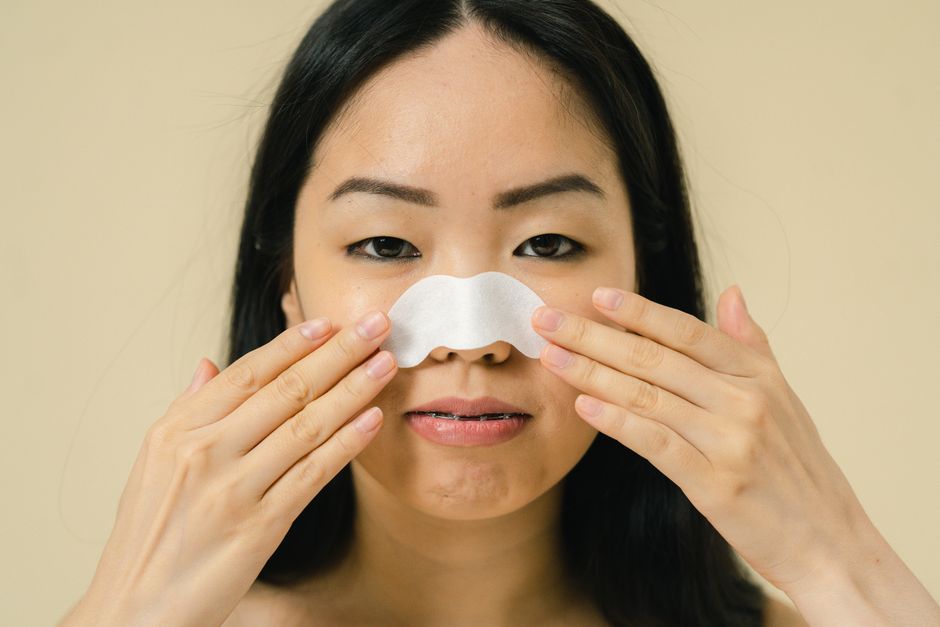
Blackheads on the nose are not dirt trapped in your pores. They are plugs of oil and dead skin cells that turn dark when exposed to air. The nose is especially prone to them because it has more oil glands than most other areas of your face. You can fix them with consistent care, but you cannot permanently cure them—your skin will keep making oil, so the process is ongoing.
Why Your Nose Gets Blackheads And How To Fix Them
The skin on your nose contains thousands of sebaceous glands. These glands produce sebum, an oily substance that keeps skin moisturized. In people prone to blackheads, the skin makes more sebum than needed. This excess oil combines with dead skin cells that shed from the pore lining. When that mixture gets trapped, it forms a plug.
The plug itself is not black. It is white or pale yellow. The dark color comes from oxidation—the oil and skin cells react with oxygen in the air, turning dark brown or black. This is why blackheads are flat against the skin, not raised like whiteheads. Whiteheads are the same type of plug, but the pore opening is closed, so air never reaches it.
Hormones play a major role in oil production. Androgens, which are present in both men and women, signal the sebaceous glands to produce more oil. This is why blackheads often appear or worsen during puberty, menstrual cycles, and times of hormonal change. Genetics also matter. If your parents had oily skin and blackheads, you are more likely to have them too.
What Actually Removes Blackheads?
Salicylic acid is the most effective over-the-counter ingredient for blackheads. It is a beta hydroxy acid that dissolves the oil and dead skin cells inside the pore. Unlike many other acne treatments that work on the skin surface, salicylic acid penetrates into the pore and breaks down the plug from within.
Look for cleansers, toners, or leave-on treatments containing 0.5% to 2% salicylic acid. Leave-on products work better than washes because they stay on the skin longer. A cleanser with salicylic acid is a reasonable starting point, but if you see no improvement after several weeks, switch to a leave-on product.
Retinoids are the other proven option. Adapalene is available over the counter at 0.1% strength. It works by normalizing the way skin cells shed, preventing them from clumping together inside the pore. Retinoids take longer to work—usually 8 to 12 weeks for visible improvement—but they address the root cause rather than just dissolving existing plugs.
Use retinoids only at night. They make skin more sensitive to sunlight, so daily sunscreen is essential. Start by applying a pea-sized amount every other night. If your skin tolerates it, increase to nightly use. Redness, peeling, and dryness are common in the first few weeks. This usually settles as your skin adjusts.
Why Pore Strips Are Not The Answer
Pore strips are satisfying to use. You peel them off and see visible plugs stuck to the adhesive. But they only remove the top of the plug—the part that has already oxidized and turned dark. The deeper portion of the plug stays inside the pore. Within days, the pore refills and the blackhead returns.
There is also a risk of damage. Aggressive pulling can tear the top layer of skin, especially if you have sensitive skin or use strips too frequently. This can lead to redness, irritation, and even scarring. Some dermatologists also note that pulling on the skin repeatedly may stretch pores over time, though direct evidence for this is limited.
If you enjoy the immediate visual result of pore strips, use them occasionally. But do not rely on them as your primary treatment. They do not prevent blackheads. They only temporarily remove the surface portion.





Do Not Squeeze Or Extract Blackheads Yourself
Squeezing a blackhead with your fingers is tempting, but it often makes things worse. You can push the plug deeper into the pore, break the pore wall, and cause inflammation. This turns a flat blackhead into a red, swollen pimple. In some cases, it leaves a dark spot or scar that takes months to fade.
If you want professional extraction, see a licensed esthetician or dermatologist. They use sterile metal tools designed to apply even pressure around the pore. This removes the plug with minimal damage to surrounding skin. Professional extraction is effective, but it is a treatment for existing blackheads, not a prevention strategy.
Tools sold for home extraction are generally not recommended. Without proper training, it is easy to press too hard or at the wrong angle. The risk of scarring outweighs the benefit of removing a single blackhead.
Cleansing Habits That Help And Hurt
Washing your face twice a day is sufficient for most people. Use a gentle cleanser and lukewarm water. Hot water strips the skin of natural oils, which can trigger the glands to produce even more oil to compensate. This creates a cycle where your skin gets oilier, not cleaner.
Over-washing is a common mistake. Washing more than twice a day, or scrubbing aggressively, irritates the skin. Irritated skin produces more oil and more dead skin cells, which means more blackheads. Treat your nose gently. Use your fingertips, not a rough washcloth or scrub brush.
Moisturizer is not optional, even for oily skin. When skin is dehydrated, the glands produce more oil to compensate. A lightweight, oil-free moisturizer helps maintain the skin barrier and may actually reduce oil production. Look for products labeled non-comedogenic, meaning they are formulated not to clog pores.
When To See A Dermatologist
Over-the-counter treatments work for most people, but not everyone. If you have used salicylic acid and adapalene consistently for three months without improvement, a dermatologist can help. They can prescribe stronger retinoids like tretinoin or tazarotene, which are more potent than anything available without a prescription.
Prescription treatments may also include antibiotics if there is significant inflammation, or combined therapies that address both blackheads and inflammatory acne. Some dermatologists offer chemical peels using stronger concentrations of salicylic acid or glycolic acid. These are performed in the office and can produce faster results than at-home care.
If your blackheads are accompanied by painful, deep acne or if you notice scarring, do not wait. Early treatment prevents permanent skin damage. A dermatologist can also rule out other conditions that resemble blackheads, such as sebaceous filaments—normal oil-filled pores that look like tiny pale dots, especially on the nose.
Sebaceous Filaments Are Not Blackheads
Many people mistake sebaceous filaments for blackheads. Sebaceous filaments are normal structures—tiny collections of oil that sit in the pore and help keep skin lubricated. They look like small, pale yellow or gray dots. They do not turn dark like blackheads, but they can look similar on the nose.
The key difference is color and texture. Blackheads are dark, flat, and have a visible opening. Sebaceous filaments are lighter, slightly raised, and feel smooth. Squeezing a sebaceous filament produces a soft, yellowish strand. Squeezing a blackhead produces a firmer plug.
Sebaceous filaments cannot be permanently removed because they are a normal part of skin function. The same treatments that help blackheads—salicylic acid and retinoids—also reduce their appearance by keeping the pore clear. But they will always come back, and that is normal. Trying to eliminate them completely will only irritate your skin.
Daily Routine For Preventing Blackheads
Consistency matters more than intensity. A simple routine followed daily will outperform aggressive treatments used sporadically.
- Cleanse twice daily with a gentle, non-comedogenic cleanser.
- Use a leave-on salicylic acid treatment once daily, preferably in the morning.
- Apply adapalene at night, starting every other night.
- Moisturize after each wash with an oil-free product.
- Wear sunscreen every morning, especially while using retinoids.
Give any routine at least 8 to 12 weeks before judging results. Skin cell turnover takes about 28 days, and changes happen gradually. If a product irritates your skin, reduce frequency rather than stopping entirely. Irritation is a sign to slow down, not a sign the product is failing.
Frequently Asked Questions
Can blackheads on the nose be permanently removed?
No. Blackheads are caused by your skin’s natural oil production, which never stops. You can control them with consistent treatment, but they will return if you stop.
How long does salicylic acid take to clear blackheads?
Most people see improvement in 4 to 6 weeks of consistent daily use. Full clearing can take up to 12 weeks.
Are pore strips bad for your skin?
They are not dangerous if used occasionally, but they only remove the surface of the plug. Frequent use can irritate the skin and may stretch pores over time.
Why does my nose have blackheads even though I wash my face?
Washing removes surface oil but cannot reach deep inside the pore. Blackheads form below the skin surface, which is why topical treatments that penetrate the pore work better than cleansing alone.
