
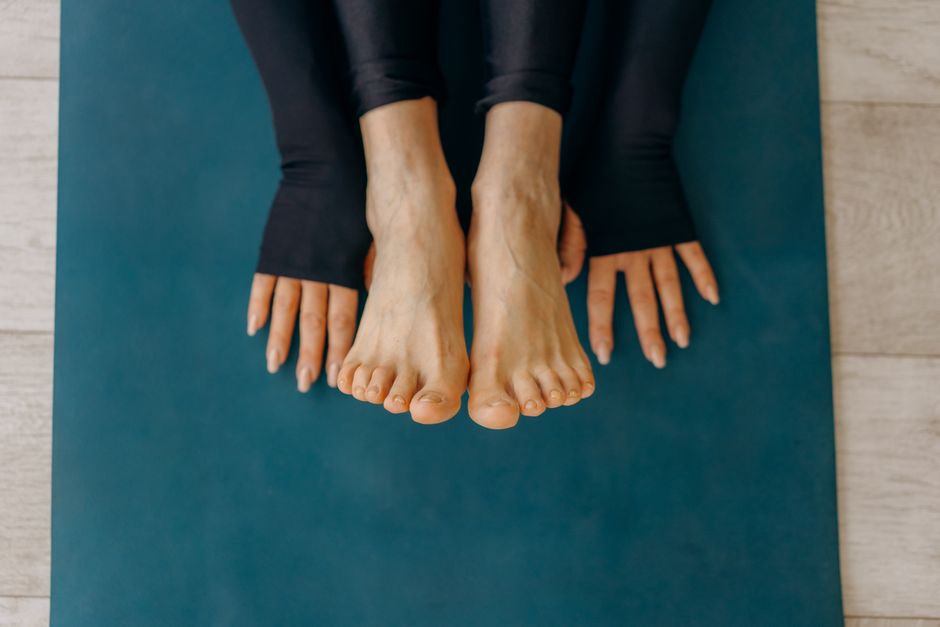
Cold hands and feet are usually your body’s way of protecting your core temperature, not a sign that something is wrong. When your skin sensors detect cold, blood vessels near the surface narrow to send more blood to your vital organs. That leaves your fingers and toes with less warm blood flow, so they feel cold first. For most people this is normal. For others, it points to a circulation problem, a thyroid issue, or a condition that affects how blood vessels behave.
Why Your Feet And Hands Always Cold? Why It Happens
Your body treats heat like a limited resource. The brain and vital organs need to stay near 98.6°F (37°C), so when temperatures drop, the body redirects blood away from the extremities to protect the core.
This process is called vasoconstriction. Small blood vessels in your fingers, toes, ears, and nose tighten. Less blood reaches the skin surface. Since those areas are farthest from the heart and have less insulating tissue, they cool faster than the rest of your body.
Raynaud’s phenomenon takes this normal response and amplifies it. In people with Raynaud’s, cold or stress triggers an exaggerated narrowing of blood vessels in the fingers and toes. They may turn white, then blue, then red as blood flow returns. It affects roughly 5 to 10 percent of the general population, according to estimates cited by the National Institute of Arthritis and Musculoskeletal and Skin Diseases. Most cases are mild and not linked to another disease.
There is a detail many people miss. Cold hands and feet are not always about the temperature around you. They can be about how well your blood vessels respond to temperature in the first place. Two people in the same room can have very different hand temperatures based on how their circulation is wired.
What Medical Conditions Cause Cold Hands and Feet?
Several conditions can make your hands and feet feel cold even when the room is warm. These are worth knowing because they change the picture from a normal response to something a doctor should evaluate.
- Hypothyroidism. An underactive thyroid slows metabolism, which can reduce blood flow and make you feel cold overall, especially in the hands and feet.
- Anemia. Low red blood cells or low hemoglobin means less oxygen is carried to tissues. Cold hands and feet, fatigue, and pale skin are common signs.
- Peripheral artery disease (PAD). Narrowed arteries in the legs and arms reduce blood flow. PAD is more common in people over 50 and in smokers.
- Raynaud’s phenomenon. As described above, blood vessels overreact to cold or stress.
- Diabetes. Over time, high blood sugar can damage blood vessels and nerves, affecting circulation to the extremities.
- Autoimmune conditions. Lupus and scleroderma can cause Raynaud’s as a secondary symptom.
These conditions usually come with other signs. Anemia causes tiredness and shortness of breath. Hypothyroidism causes weight gain, dry skin, and fatigue. PAD often causes leg pain when walking. Cold hands and feet alone, without other symptoms, are rarely the only clue.
When Is Cold Hands and Feet a Circulation Problem?
Poor circulation is a real concern, but it is not the most common reason for cold extremities. Normal vasoconstriction and Raynaud’s account for most cases.
Circulation problems become more likely when cold hands and feet come with other signs. These include:
- Pain or cramping in your legs when you walk, which improves with rest
- Wounds on your feet or toes that heal slowly
- Skin that looks shiny, tight, or changes color
- Numbness or tingling that does not go away
- Coldness that affects one side of the body more than the other
If any of these appear, see a doctor. Peripheral artery disease and other circulation disorders are treatable, and early action matters.
One clarification worth making: cold hands and feet are not a reliable sign of “poor circulation” on their own. Many people with excellent circulation still have cold extremities because their blood vessels respond strongly to temperature. The symptom alone does not confirm a circulation disorder.





Cold Hands and Feet in Women and Older Adults
Women are more likely than men to report cold hands and feet. This is partly hormonal. Estrogen affects blood vessel tone and can make vessels more sensitive to temperature changes. Women also tend to have less muscle mass and more body fat, which changes how heat is distributed and retained.
Older adults may experience cold extremities for different reasons. Circulation tends to decline with age. The skin thins, and blood vessels lose some flexibility. Medications for blood pressure, such as beta-blockers, can also reduce blood flow to the hands and feet.
Cold hands and feet are common in both groups and are not automatically a sign of disease. But new or worsening coldness in an older adult should be checked, especially if it comes with pain, color changes, or wounds that will not heal.
What Makes Cold Hands and Feet Worse?
Several everyday factors can make cold extremities more noticeable or more frequent.
- Low body weight. Less insulating fat means heat escapes faster from the extremities.
- Smoking. Nicotine narrows blood vessels and reduces blood flow to the skin.
- Caffeine. Caffeine can constrict blood vessels, though the effect is usually mild and short-lived.
- Stress. Stress triggers the fight-or-flight response, which redirects blood away from the extremities.
- Dehydration. Less fluid in the body can reduce blood volume and circulation.
- Sedentary lifestyle. Movement helps pump blood through the body. Sitting still for long periods can make hands and feet feel colder.
These factors do not cause disease on their own, but they can make an existing tendency worse. Addressing them can reduce how often you notice cold hands and feet.
How Is the Cause of Cold Hands and Feet Evaluated?
A doctor will start with your history and a physical exam. They will ask when the coldness started, whether it is constant or comes and goes, and whether it is linked to cold, stress, or certain positions.
They may check the pulses in your wrists, groin, and feet. Weak or absent pulses can suggest a circulation problem. They may also look at the color of your fingers and toes and check how quickly blood returns after pressing on the skin.
Blood tests can help rule out underlying conditions. A complete blood count checks for anemia. Thyroid function tests check for hypothyroidism. Blood glucose or A1c tests check for diabetes. If an autoimmune condition is suspected, specific antibody tests may be ordered.
If peripheral artery disease is a concern, an ankle-brachial index test may be done. This compares blood pressure in your ankle to blood pressure in your arm. A lower ratio suggests narrowed arteries in the legs.
There is no single test for Raynaud’s. It is usually diagnosed based on symptoms and by ruling out other conditions.
What Helps With Cold Hands and Feet?
For most people, managing cold hands and feet is about comfort and avoiding triggers. The evidence for specific treatments varies, and what works depends on the cause.
General measures that are widely recommended include:
- Wearing gloves, warm socks, and layers in cold weather
- Keeping your core warm, since a warm core helps maintain blood flow to the extremities
- Avoiding sudden temperature changes, such as going from a warm room into cold air
- Managing stress through relaxation techniques
- Staying active, which supports healthy circulation
- Quitting smoking, which improves blood vessel function over time
For Raynaud’s, avoiding cold and stress is the first step. Some clinicians recommend biofeedback or stress management. For more severe cases, doctors may prescribe medications that help blood vessels stay open. These are not appropriate for everyone and should only be used under medical supervision.
For cold hands and feet caused by an underlying condition like hypothyroidism or anemia, treating that condition is the main approach. Coldness often improves once the underlying problem is addressed.
No supplement or device has strong clinical evidence for treating cold hands and feet in the general population. If you see a product claiming to cure poor circulation or permanently warm cold extremities, be skeptical. No large human trials support those claims.
When Should You See a Doctor?
See a doctor if cold hands and feet come with any of the following:
- Fingers or toes that turn white, blue, or red in response to cold or stress
- Pain, numbness, or tingling that does not go away
- Sores or wounds on your fingers or toes that heal slowly
- Coldness that is new, one-sided, or getting worse
- Other symptoms like fatigue, weight changes, or shortness of breath
Cold hands and feet alone, without other symptoms, are rarely an emergency. But they can be the first sign of a condition that benefits from early treatment. If you are unsure, it is reasonable to bring it up at your next checkup.
Frequently Asked Questions
Why are my hands and feet always cold even in warm weather?
Your blood vessels may be overreacting to temperature or stress, which is common in Raynaud’s phenomenon. An underlying condition like hypothyroidism or anemia can also cause constant coldness, so it is worth mentioning to a doctor.
Are cold hands and feet a sign of poor circulation?
Not usually. Normal vasoconstriction and Raynaud’s account for most cases, and many people with healthy circulation still have cold extremities. Poor circulation becomes more likely when coldness comes with leg pain, slow-healing wounds, or color changes.
Can low iron cause cold hands and feet?
Yes. Iron deficiency anemia reduces the oxygen-carrying capacity of your blood, which can make your hands and feet feel cold along with causing fatigue and pale skin. A blood test can confirm whether this is the cause.
When should I worry about cold hands and feet?
Worry is warranted if you also have pain, numbness, color changes in your fingers or toes, slow-healing wounds, or symptoms like fatigue or weight changes. Cold hands and feet alone are usually not a medical emergency.
