
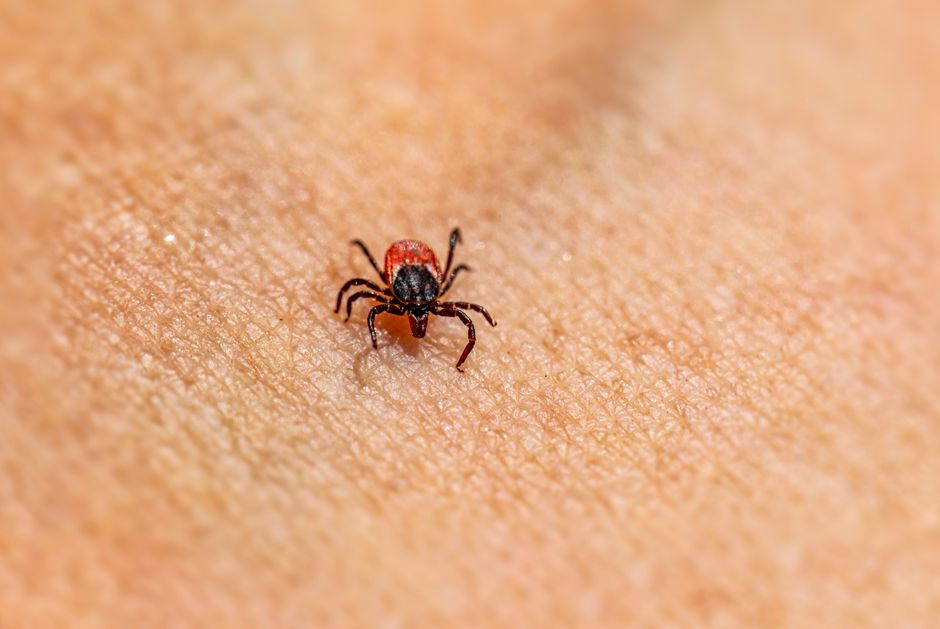
A flea bite is not just an itchy nuisance. When a flea bites you, it breaks your skin and feeds on your blood, leaving behind a small wound, saliva, and sometimes a pathogen. Most bites cause a red, intensely itchy bump that clears up on its own. A few flea species can transmit diseases to humans, and some people develop allergic reactions that make the bites far worse than they would be otherwise.
What Happens If Fleas Bite You Risks And Treatment
When a flea bites, it inserts its mouthparts through your skin and injects saliva containing anticoagulants and other compounds. Your immune system reacts to those proteins, not to the bite wound itself. That reaction is what produces the itch, redness, and swelling.
Flea bites on humans most often appear as small, red bumps — sometimes in clusters or lines of three or four. They tend to show up on the ankles, lower legs, and feet, because fleas typically live near the ground and jump onto their hosts from below. The bites are usually intensely itchy within minutes to hours.
Most flea bites are harmless beyond the discomfort. The real risks fall into three categories: allergic reactions, secondary skin infections from scratching, and disease transmission from specific flea species.
Allergic Reactions to Flea Bites
Some people are genuinely allergic to flea saliva. This condition is called flea allergy dermatitis. It causes a much stronger reaction than a typical bite — larger welts, prolonged itching, and sometimes a rash that spreads beyond the bite site. People with flea allergy dermatitis can react to just one or two bites with symptoms that last for days or weeks.
This is more commonly diagnosed in pets, but it does occur in humans. A doctor may suspect it when bites cause disproportionate swelling or when symptoms persist well beyond what a normal insect bite would cause.
Secondary Infections
The bite itself is not the main infection risk. The scratching is. Flea bites itch intensely, and broken skin from scratching creates an entry point for bacteria that live on your skin. That can lead to a secondary bacterial infection.
Signs that a bite has become infected include increasing redness, warmth, swelling, pus, or pain that gets worse rather than better over a few days. If you develop a fever or the redness spreads, that warrants medical attention.
Disease Transmission
Not all fleas carry diseases that affect humans, but some do. The most well-known is the rat flea, which can transmit Yersinia pestis, the bacterium that causes plague. Plague is rare in the United States but does occur in certain rural areas of the Southwest, where it circulates among rodents and their fleas.
Cat fleas and dog fleas — the species most people encounter — can carry Bartonella henselae, the bacterium that causes cat scratch disease. Transmission to humans typically happens through a cat scratch or bite rather than a direct flea bite, but fleas play a role in spreading the bacterium among cats.
Fleas can also serve as intermediate hosts for tapeworms. If a flea carrying tapeworm larvae is swallowed — which can happen accidentally — it can lead to a tapeworm infection in humans. This is uncommon but documented.
What Do Flea Bites Look Like on Humans?
Flea bites look like small, red, raised bumps. They are often grouped in twos or threes, or arranged in a rough line. This pattern happens because a single flea will bite multiple times in one feeding session.
The bites are typically found on:
- Ankles and lower legs
- Feet and between the toes
- Waistline or areas where clothing meets skin
- Anywhere pets frequently contact
A small red dot or a tiny dark center may appear at the bite site. Some people develop a halo of redness around the bump. Within a day or two, the bites may form small crusts or scabs if scratched.
It can be difficult to tell flea bites apart from other insect bites just by looking. Bedbug bites also often appear in lines or clusters. Mosquito bites tend to be more scattered. If you are unsure, the presence of pets, a recent stay in a hotel, or a known flea infestation in your home can help narrow it down.
How Long Do Flea Bites Last?
Most flea bites resolve within a few days to a week. The itch usually peaks in the first 24 to 48 hours and then gradually subsides.
People who are allergic to flea saliva may have symptoms that last longer — sometimes one to two weeks or more. The intensity and duration depend on individual sensitivity, not on the number of bites.
If bites remain itchy or inflamed beyond two weeks, or if they seem to be getting worse rather than better, that is a reason to see a doctor. It could indicate an allergic reaction or an infection that needs treatment.





How Are Flea Bites Treated?
Treatment for flea bites focuses on relieving itch and preventing infection. Most cases can be managed at home.
Wash the bite area with soap and water. Apply a cold compress or an ice pack wrapped in a cloth to reduce swelling and numb the itch. Over-the-counter hydrocortisone cream or calamine lotion can help with itching. Oral antihistamines may also reduce itching, particularly if you are having a stronger reaction.
Try not to scratch. This is the single most important step in preventing infection. Keeping fingernails short and using an antihistamine to control the itch can help reduce scratching, especially in children.
If signs of infection develop — spreading redness, warmth, pus, or fever — see a doctor. Bacterial skin infections often require antibiotics. Do not try to treat a suspected infection with over-the-counter creams alone.
For people with a known flea allergy, a doctor may recommend stronger topical steroids or prescription antihistamines during a flare-up. This is a clinical decision, not something to self-manage with leftover medications.
How Do You Get Rid of Fleas?
Treating the bites without addressing the source means the bites will keep coming. Fleas reproduce quickly, and the majority of a flea infestation — eggs, larvae, and pupae — lives in the environment, not on the host.
If you have pets, they need flea treatment. Veterinary flea products — spot-on treatments, oral medications, or flea collars — are the most effective way to break the cycle. Some over-the-counter products are less effective than prescription options, and flea resistance to certain insecticides has been documented. A veterinarian can recommend a product that works in your area.
In the home, you need to address bedding, carpets, and upholstery. Wash pet bedding and any fabrics your pets contact in hot water. Vacuum carpets, rugs, and furniture thoroughly and frequently. The vacuum removes adult fleas, eggs, and larvae, and the vibration can trigger pupae to emerge so they can be killed in subsequent cleanings.
In severe infestations, professional pest control may be necessary. Foggers and sprays available to consumers vary in effectiveness, and some do not reach the places where flea larvae develop.
Outdoors, keep your yard clear of debris and discourage wild animals — raccoons, opossums, stray cats — that can carry fleas into your space. If you live in an area where plague has been reported in rodents, avoid handling sick or dead wild animals and keep pets from roaming freely.
When Should You See a Doctor for Flea Bites?
Most flea bites do not require medical care. See a doctor if:
- Bites show signs of infection — spreading redness, warmth, swelling, or pus
- You develop a fever, chills, or body aches after flea bites
- The itching is severe enough to interfere with sleep or daily activities
- Bites do not improve after two weeks
- You have a known immune condition or are taking immunosuppressive medications
In rare cases, flea bites can trigger a systemic allergic reaction. Seek emergency care if you experience difficulty breathing, swelling of the face or throat, or widespread hives after flea bites. This is uncommon but possible.
Can Fleas Live on Humans?
Fleas do not live on humans the way they live on pets. Human fleas (Pulex irritans) exist and will bite humans, but they do not typically establish a long-term infestation on a person. Most fleas that bite humans are cat fleas or dog fleas that have come from a nearby animal or infested environment.
Fleas can survive in human hair or clothing temporarily, but they do not breed or complete their life cycle on humans. If you are being bitten repeatedly, the source is almost certainly in your environment or on a pet — not on you.
Frequently Asked Questions
Are flea bites dangerous to humans?
Most flea bites are not dangerous and resolve on their own within a week. However, some flea species can transmit diseases such as plague or Bartonella infection, and scratching can lead to secondary skin infections.
How do you know if a bite is from a flea?
Flea bites typically appear as small red bumps in clusters or lines, most often on the ankles and lower legs. They are intensely itchy and often occur alongside a pet or in a space with a known flea problem.
What is the fastest way to stop flea bites from itching?
Wash the area with soap and water, apply a cold compress, and use an over-the-counter hydrocortisone cream or oral antihistamine. Avoiding scratching is the most important step to prevent infection.
Can flea bites make you sick?
In rare cases, yes. Fleas can transmit bacteria that cause illness, including Yersinia pestis and Bartonella henselae. If you develop fever, chills, or spreading redness after flea bites, see a doctor.
