
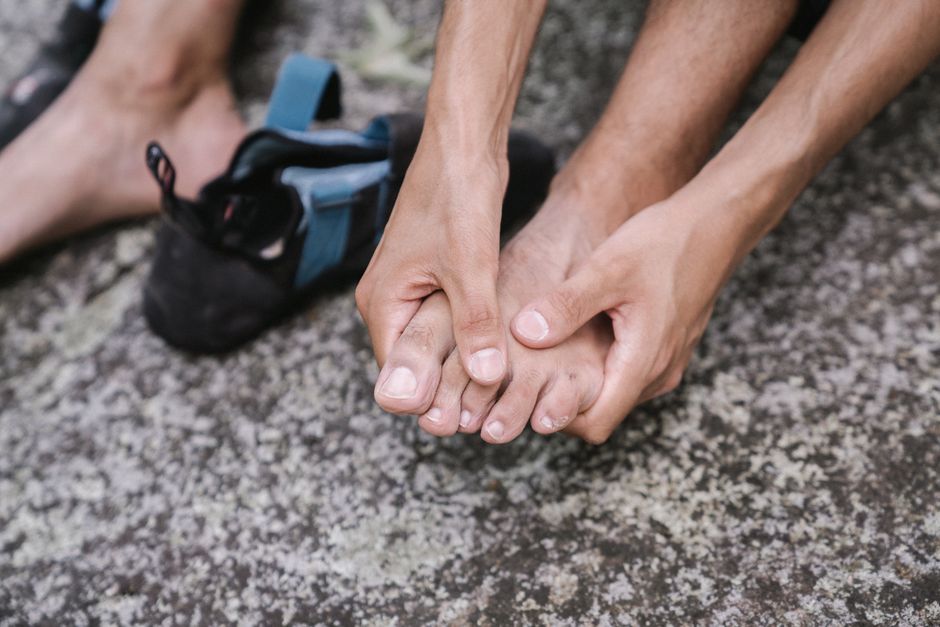
You get blisters on your feet when repeated friction and pressure cause the top layers of skin to separate and fill with fluid. The friction itself isn’t the whole story — moisture, heat, and ill-fitting shoes all make it worse. Most blisters heal on their own within a few days if you leave the roof intact, but the right care can reduce pain and lower the risk of infection.
What Actually Happens Under Your Skin When a Blister Forms
A blister is your body’s mechanical protection system. When shear forces repeatedly drag the upper layer of skin (the epidermis) across the layer beneath it, the two layers separate. The gap fills with fluid — usually plasma — creating a cushion that shields the damaged tissue underneath.
The friction alone isn’t what tears the skin. Research on blister formation has shown that it’s the repeated rubbing combined with shear stress — the skin moving sideways across deeper tissue — that causes the separation. This is why a shoe that fits but slides slightly can cause more damage than one that’s simply tight.
Three factors amplify the process:
- Moisture. Sweat softens the outer skin, making it easier for friction to cause separation. Damp skin has less structural resistance.
- Heat. Warmer skin is more prone to friction damage. This is partly why blisters are more common in summer or during intense exercise.
- Pressure. Tight shoes or seams that press against the foot concentrate force on specific spots.
The fluid inside is mostly sterile at first. That’s why an intact blister is a reasonably good barrier against infection — as long as you don’t break it.
Why Some People Get Blisters More Easily
Some feet blister more than others, and it’s not just about toughness. Skin that’s naturally more moist, feet that sweat heavily, and shoes that don’t match foot shape all raise the risk.
New shoes are a common culprit because they haven’t molded to your feet yet. Socks matter too. Cotton socks hold moisture against the skin, while synthetic or wool blends wick it away. A sock with wrinkles or seams can create a focused friction point that causes a blister in minutes.
Certain activities are more blister-prone. Running, hiking, and sports that involve sudden stops and direction changes put more shear force on the feet. Distance matters as well — the longer the activity, the more cumulative friction.
Some medical conditions can make skin more fragile or slow to heal. If you have diabetes, peripheral neuropathy, or poor circulation, foot blisters deserve more attention because they can worsen quickly and are harder to detect. In those cases, checking your feet daily is a standard part of foot care.
Should You Pop a Blister or Leave It Alone?
Leave it alone if you can. The intact roof of a blister is a natural bandage that keeps bacteria out and protects the raw skin underneath. Most blisters that stay intact heal without complications.
There are situations where a blister is so large or painful that it interferes with walking or wearing shoes. In those cases, some clinicians recommend draining it carefully. If you do drain a blister, the general approach is:
- Clean the area and a sharp needle with alcohol or soap and water.
- Make a small hole at the edge of the blister, not the center.
- Let the fluid drain out gently. Don’t squeeze hard or peel the roof off.
- Leave the roof of the blister in place over the raw skin.
- Cover it with a clean bandage or dressing.
Never pop a blister if you have diabetes, poor circulation, or a weakened immune system. In those situations, a minor blister can become a serious wound. Seek medical care instead.
Also avoid popping a blister that looks infected — one that’s filled with cloudy or yellow fluid, surrounded by spreading redness, or feels hot. Draining an infected blister at home can push bacteria deeper.



How to Care for a Blister So It Heals Faster
Most blisters heal in three to seven days if you keep them clean and protected. The exact time depends on size, location, and whether the blister stays intact.
For an intact blister, a simple dressing that cushions the area is usually enough. A donut-shaped moleskin pad or a hydrocolloid bandage can reduce pressure and friction while it heals. Change the dressing daily and anytime it gets wet or dirty.
If the blister has already torn, treat it like a minor wound:
- Wash gently with mild soap and water.
- Apply a thin layer of petroleum jelly or an antibiotic ointment if your clinician recommends one.
- Cover with a sterile bandage.
- Change the bandage at least once a day and whenever it becomes wet or soiled.
Watch for signs of infection: increasing pain, redness that spreads, warmth, swelling, pus, or a fever. If any of these appear, see a healthcare provider. Skin infections on the feet can progress, especially in people with circulation problems or diabetes.
How to Prevent Blisters Before They Start
Prevention comes down to reducing friction, moisture, and pressure at the same time. No single trick works for everyone, but combining a few strategies helps most people.
Get the right fit. Shoes should have about a thumb’s width of space between your longest toe and the front of the shoe. Heels shouldn’t slide up and down when you walk. If a shoe rubs in one spot, don’t try to “break it in” through pain — address the fit.
Choose socks carefully. Synthetic moisture-wicking socks or wool blends keep feet drier than cotton. Seamless socks reduce friction points. Some people wear a thin liner sock under a thicker outer sock, which lets the layers slide against each other instead of against the skin.
Manage moisture. Foot powders or antiperspirants can reduce sweating. Change socks during long activities if they get damp. For hikes or long runs, some people carry a spare pair.
Use protective coverings. Moleskin, blister bandages, or athletic tape applied to known hot spots before activity can prevent blisters from forming. Apply them smoothly — a wrinkled patch can cause the very friction you’re trying to avoid.
Build up gradually. Skin does adapt somewhat to repeated friction over time, which is why seasoned runners and hikers tend to blister less than beginners. Increasing activity gradually gives your skin time to adjust.
When a Blister Needs Medical Attention
Most foot blisters are minor. But some need a professional look.
See a healthcare provider if:
- The blister looks infected — pus, spreading redness, heat, or swelling.
- You have diabetes, peripheral artery disease, or neuropathy.
- The blister is very large, extremely painful, or keeps coming back.
- You have a fever or the area feels increasingly painful.
- The blister doesn’t improve after about a week.
People with diabetes should treat any foot blister as a potential problem and check it daily. Reduced sensation in the feet means a blister can go unnoticed and worsen. Standard foot care guidance for diabetes includes inspecting feet every day and never self-treating wounds.
Blisters that appear without any friction or pressure — especially in clusters or in unusual locations — should be evaluated. They can sometimes signal other skin conditions or medical issues that need a different approach.
What Doesn’t Work (And What Might Make It Worse)
Some common remedies don’t help and can slow healing. Popping a blister to “let it breathe” removes the protective roof and raises infection risk. Applying alcohol or hydrogen peroxide to an open blister can irritate the tissue and delay healing.
Heat, tight bandages, and leaving a blister uncovered in a dirty environment all work against you. So does continuing the activity that caused the blister without changing your footwear or socks — you’ll likely just get another one in the same spot.
There’s no evidence that vitamin E, special creams, or “blister patches” with unproven ingredients speed healing faster than basic wound care. Keep it simple: clean, cover, cushion, and protect.
Frequently Asked Questions
How long does a foot blister take to heal?
Most blisters heal in three to seven days if kept clean and protected. Larger or torn blisters may take longer, and signs of infection mean you should see a provider.
Should I pop a blister on my foot?
It’s usually best to leave it intact because the roof protects against infection. If it’s very painful or large, some clinicians recommend careful draining — but never do this if you have diabetes or poor circulation.
What is the fastest way to heal a blister?
Keep it clean, cover it with a cushioned dressing, and avoid the friction that caused it. There’s no proven shortcut beyond basic wound care and protecting the area.
When should I worry about a foot blister?
See a provider if it shows signs of infection like pus, spreading redness, or fever. People with diabetes or circulation problems should seek care for any foot blister.
