
A nosebleed can be startling, especially when it happens without warning. Most nosebleeds look worse than they actually are and stop with simple pressure. The cause is almost always broken blood vessels inside the nose, but the reason those vessels break varies widely from person to person.
Why Would Your Nose Be Bleeding?
Your nose bleeds because the blood vessels inside it are fragile and close to the surface. The inner lining of the nose has a dense network of tiny blood vessels that warm and moisten the air you breathe. When these vessels break, blood flows out through the nostrils.
Most nosebleeds start in the front of the nose, in an area called Kiesselbach’s plexus. This area receives blood from several arteries that meet in one spot. Because the tissue there is thin and delicate, even minor irritation can cause bleeding. Bleeding from the back of the nose is less common but typically more serious and harder to control.
What Is the Most Common Cause of Nosebleeds?
Dry air is the leading trigger for nosebleeds. When the air is dry, the mucus inside your nose dries out and crusts over. That crust sticks to the fragile blood vessels, and when it loosens or you pick at it, the vessels break open.
This explains why nosebleeds happen more often in winter when indoor heating dries the air, and in dry climates. Nose picking is another very common cause, especially in children. The fingernail can easily scratch the delicate lining of the nose and cause bleeding.
What Medical Conditions Cause Nosebleeds?
Several health conditions can make nosebleeds more likely. High blood pressure does not typically cause nosebleeds on its own, but it can make bleeding harder to stop once it starts. Some research suggests that people with untreated high blood pressure have more frequent and longer-lasting nosebleeds.
Blood-thinning medications are a major factor. Drugs like warfarin, apixaban, rivaroxaban, and even daily aspirin interfere with your blood’s ability to clot. If you take any of these, even a minor injury to the inside of your nose can produce significant bleeding.
Bleeding disorders such as hemophilia or von Willebrand disease prevent blood from clotting normally. People with these conditions often have frequent nosebleeds that are difficult to control. Liver disease can also contribute because the liver produces many of the proteins needed for blood clotting.
Nasal conditions like allergies, sinus infections, or a deviated septum can make the nasal lining more inflamed and fragile. Frequent use of nasal sprays, particularly steroid sprays, can dry out the nasal lining and increase bleeding risk if not used correctly.





Can Nosebleeds Be a Sign of Something Serious?
In most cases, nosebleeds are not a sign of a serious underlying problem. But certain patterns deserve medical attention. If you have frequent nosebleeds that are difficult to stop, or if you notice bleeding from your gums or easy bruising elsewhere, you should see a doctor.
Nosebleeds that occur after a head injury require immediate medical evaluation. This could indicate a skull fracture or bleeding around the brain, even if the nosebleed itself seems minor. Bleeding from both nostrils at once, or blood flowing down the back of your throat, may signal a posterior nosebleed that requires professional treatment.
Unexplained nosebleeds in adults over 50 who do not have other risk factors should be evaluated. In rare cases, tumors or abnormal growths in the nasal cavity can cause bleeding. These are uncommon, but a doctor can rule them out with a simple examination.
What Should You Do When Your Nose Starts Bleeding?
Stay calm and sit upright. Lean slightly forward, not backward, so blood does not flow down your throat. Tilting your head back can cause you to swallow blood, which may upset your stomach or enter your airway.
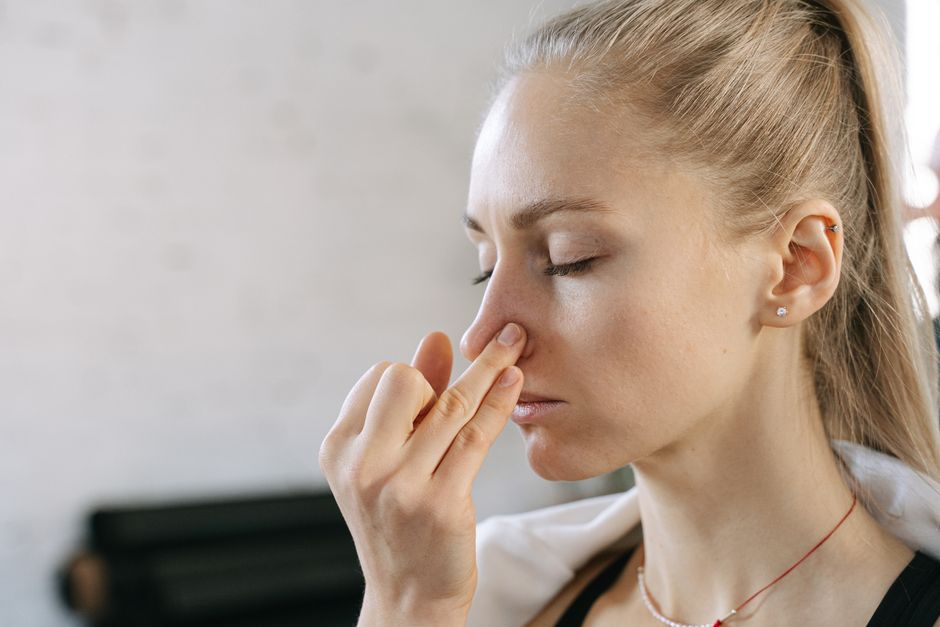
Pinch the soft part of your nose, just below the bony bridge, with your thumb and index finger. Apply firm pressure for at least 10 minutes without checking to see if the bleeding has stopped. Interrupting the pressure too early can prevent a clot from forming.
Breathe through your mouth while you hold pressure. You can place a cold pack or ice wrapped in a cloth over the bridge of your nose. Some evidence suggests this helps by constricting blood vessels, though the pressure itself is the most important step.
After the bleeding stops, avoid blowing your nose or bending over for several hours. Do not pick at any clots that formed inside your nose. These actions can dislodge the clot and restart the bleeding.
How Can You Prevent Nosebleeds?
Keeping the inside of your nose moist is the most effective prevention strategy. A saline nasal spray or gel applied daily can help, especially in dry climates or during winter months. Running a humidifier in your bedroom while you sleep adds moisture to the air you breathe all night.
Applying a thin layer of petroleum jelly just inside the nostrils can protect the nasal lining. This is particularly helpful before bed. Some clinicians recommend this for people who experience frequent nosebleeds, though it should be used sparingly to avoid breathing in excess.
Avoid picking your nose and keep your fingernails trimmed short. If you have allergies, treating them can reduce inflammation in your nasal passages. If you use nasal steroid sprays, aim the spray away from the center of your nose to reduce irritation to the delicate blood vessels there.
If you take blood thinners, talk to your doctor about whether your dose is appropriate. Never stop taking prescribed blood thinners without medical guidance. The risk of blood clots and stroke from stopping these medications is far greater than the risk of a nosebleed.
When Should You See a Doctor for a Nosebleed?
Seek emergency care if bleeding continues for more than 20 minutes despite firm pressure. You should also seek immediate help if you lose a large amount of blood, feel lightheaded, or have difficulty breathing. These symptoms could indicate significant blood loss.
See a doctor promptly if you have frequent nosebleeds, even if each one stops on its own. Recurrent bleeding may indicate an underlying condition that needs treatment. Your doctor can examine your nose, check your blood pressure, and order blood tests to evaluate your clotting function.
Posterior nosebleeds, where blood flows down the back of the throat, often require medical intervention. These bleeds come from larger arteries deeper in the nose and rarely stop on their own. An ear, nose, and throat specialist may need to pack the nose or cauterize the bleeding vessel.
If you are taking blood thinners and experience a nosebleed that does not stop within 20 minutes, seek medical care. You may need your medication adjusted or temporary treatment to help your blood clot.
Can Children Get Nosebleeds for the Same Reasons?
Children get nosebleeds for the same basic reasons as adults, but the balance of causes differs. Nose picking is the most common cause in children. Kids also put small objects in their noses, which can cause bleeding and require medical removal.
Dry air affects children just as it affects adults. Many children outgrow frequent nosebleeds as their nasal tissues mature. If your child has frequent nosebleeds, keep their nails short and use a humidifier in their room. Consult a pediatrician if the bleeding is heavy, frequent, or occurs after a head injury.
Frequently Asked Questions
Can stress cause a nosebleed?
Stress itself does not directly cause nosebleeds, but it can raise blood pressure, which may make bleeding harder to stop once it starts. Stress can also lead to habits like nose rubbing or picking that damage the nasal lining.
Is it dangerous to swallow blood from a nosebleed?
Swallowing a small amount of blood is not dangerous but can cause nausea or vomiting. Swallowing a large amount of blood can be harmful, which is why you should lean forward rather than tilting your head back during a nosebleed.
Why do nosebleeds happen more often in winter?
Indoor heating dries out the air in your home, which dries the mucus inside your nose. Dry mucus crusts over and sticks to fragile blood vessels, making them more likely to break when the crust loosens.
Can frequent nosebleeds be a sign of cancer?
Nosebleeds are rarely a sign of cancer. Tumors in the nasal cavity or sinuses can cause bleeding, but these growths are uncommon and usually come with other symptoms like facial pain, nasal blockage, or a persistent foul odor.
