
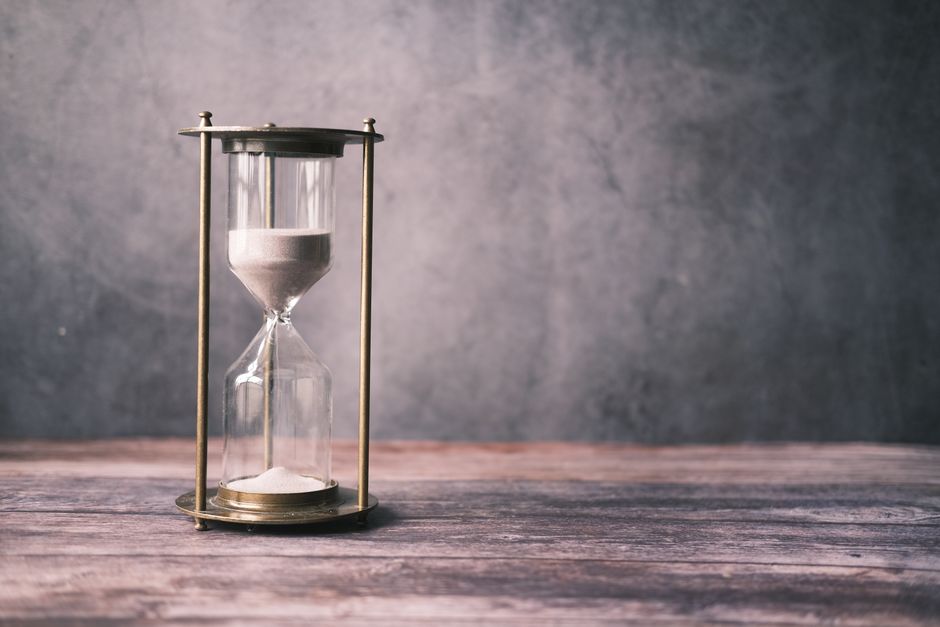
Time feels like it speeds up as we get older because our brains process familiar experiences with less detail. The more routine your days become, the less new information your brain stores, and the faster time seems to disappear. Slowing it down is possible by intentionally breaking routines, seeking novelty, and practicing mindfulness.
What Really Causes Time to Speed Up as We Age?
The leading theory comes from the proportional theory of time perception. When you are five years old, one year is 20% of your entire life. When you are 50, one year is only 2% of your life. Your brain measures time relative to the total time you have lived.
But there is a more practical reason. Your brain stores memories based on how much new information it processes. When you do the same commute, same job, same dinner routine every day, your brain compresses those hours into a single memory file. That is why entire weeks can feel like they passed in a blink.
Research published in the journal Attention, Perception, and Psychophysics found that people consistently underestimate how much time has passed when they are engaged in familiar tasks. The brain simply stops recording the details.
Does Mindfulness Actually Slow Down Time?
Yes, but not in the way most viral articles describe. Mindfulness does not stretch the clock. It changes how much detail your brain records during a given period.
One study from the University of Kent had participants practice mindfulness meditation for just 10 minutes. Afterward, they were more accurate at estimating time intervals compared to a control group. The mindful group reported that time felt slower because they noticed more moments within the same clock time.
This is not a magic trick. It is simple neuroscience. When you pay close attention to your senses — the feeling of your breath, the sound of birds, the weight of your feet on the ground — your brain creates more memory files per hour. More files equals a slower-feeling day.
What does not work is trying to meditate while distracted. Scrolling your phone during a mindfulness session defeats the purpose. The brain needs undivided attention to build those detailed memory files.
How Does Novelty Change Time Perception?
Novelty is the single most effective way to slow down time. Your brain evolved to pay attention to new things for survival. A new environment, a new skill, or a new person triggers the release of dopamine and norepinephrine. These chemicals sharpen your focus and make time feel slower.
A well-known experiment from David Eagleman at Stanford showed that people perceive time as moving slower during a novel experience like falling backward into a net. The brain records more detail during new events, so the memory of those events feels longer when recalled later.
This is why a two-week vacation to a new country feels like it lasted a month, while a two-week routine at home feels like a long weekend. The contrast is real and measurable.
Here is a simple comparison of how different activities affect time perception:
| Activity Type | How Time Feels | Why |
|---|---|---|
| Familiar routine (same commute, same meals) | Fast, blurry, forgettable | Brain compresses repetitive data |
| Novel experience (travel, new hobby) | Slow, vivid, memorable | Brain records high-detail memories |
| High-focus work (flow state) | Fast in the moment, slow in memory | Attention is absorbed but dense memory forms |
| Passive screen time (scrolling social media) | Very fast, almost lost | Low detail, low novelty, high distraction |





What Role Does Dopamine Play in Time Perception?
Dopamine is the brain chemical that controls motivation, reward, and attention. It also directly influences how your brain processes time. Higher dopamine levels tend to make your internal clock run faster, meaning you underestimate how much time has passed.
This is why time flies when you are having fun. Exciting activities like a concert, a great conversation, or a video game flood your brain with dopamine. Your internal pacemaker speeds up, and external time seems to race by.
But here is the non-obvious part. Low dopamine has the opposite effect. When dopamine is low, your internal clock slows down, and time can drag painfully. This is common in depression and chronic boredom. The problem is that low-dopamine states also make it harder to form lasting memories, so the dragged-out time is often forgotten quickly.
Some people report that caffeine or certain medications change their sense of time. That is because these substances affect dopamine levels. But no supplement has been proven to slow down time perception in a reliable, safe way.
What Daily Habits Actually Make Time Feel Slower?
You do not need to travel the world or meditate for hours to slow down time. Small daily changes can add up. Here are the habits that research and experience support:
- Learn something new regularly. Even 15 minutes of a new language, instrument, or recipe forces your brain to build fresh neural pathways. This creates more memory density per week.
- Walk a different route. Changing your commute or daily walk forces your brain to notice new landmarks, sounds, and smells. It is the lowest-effort novelty there is.
- Limit passive screen time. Scrolling social media or watching TV for hours produces almost no new memories. Replace even 30 minutes with a conversation, a walk, or a book.
- Write down three new things each evening. This is not journaling for emotional reasons. It is a memory exercise. Listing what you noticed forces your brain to search for detail, reinforcing the perception that the day was full.
- Take a real break from work. A lunch break spent at your desk is not a break. Your brain stays in routine mode. A 10-minute walk outside resets attention and creates a distinct memory marker between morning and afternoon.
None of these require willpower or a complete lifestyle overhaul. They work because they break the pattern of sameness that makes time compress.
Common Misconceptions About Slowing Down Time
Many popular claims about time perception are not backed by evidence. Here are the most common ones to ignore:
Myth: Drinking water or taking vitamins slows down time. There is no clinical evidence that hydration, vitamin D, or any supplement changes how your brain processes time. Dehydration can make you feel foggy, which might make time feel faster, but that is not the same as slowing it down.
Myth: Aging itself causes time to speed up. Aging does not directly cause faster time perception. What changes is your ratio of routine to novelty. A 70-year-old who travels and learns new skills will report slower time than a 30-year-old stuck in a repetitive job.
Myth: You can slow down time by thinking about it. Obsessing over the clock actually makes time feel slower in an unpleasant way. This is called temporal frustration. It is the feeling of watching a pot not boil. The goal is not to watch the clock but to fill your days with enough detail that time feels rich, not stretched.
Myth: Technology is the only cause. While screens contribute to time compression, they are not the root cause. A person who reads the same type of book every night in the same chair will also experience compressed time. The problem is sameness, not screens alone.
Frequently Asked Questions
Why does time feel faster as I get older?
Your brain compresses familiar routines into fewer memory files. The less new information you process, the faster time seems to pass.
Can meditation really slow down time?
Yes. Mindfulness increases the amount of detail your brain records, which makes time feel fuller and slower in memory.
Does travel actually slow down time?
Yes. Novel environments force your brain to process more new information, creating dense memories that make a week feel much longer.
What is the fastest way to slow down time today?
Do one thing you have never done before. Take a different route home, try a new recipe, or have a conversation with a stranger.
