
Urine is yellow because of a natural pigment your body makes called urobilin. This yellow color comes from the breakdown of old red blood cells, a process that happens in your liver every single day. The shade of yellow you see in the toilet bowl tells you something about how hydrated you are and how well your body is processing waste.
What Actually Makes Urine Yellow?
The short answer is a pigment called urobilin. Your body makes urobilin when it breaks down hemoglobin, the protein in red blood cells that carries oxygen. Old red blood cells get broken down in the spleen, and the liver processes the leftover material. That leftover becomes bilirubin, a yellow-orange substance that moves into your intestines. Bacteria in your gut then convert bilirubin into urobilinogen. Most of that urobilinogen gets reabsorbed into your bloodstream, goes to your kidneys, and gets turned into urobilin. That urobilin is what colors your urine yellow.
This process is constant. Every day, your body recycles about 1 percent of your red blood cells. That means you are always producing urobilin. Without it your urine would be clear, like water.
Research published in the journal Nature Reviews Nephrology has confirmed this exact pathway. The color of urine is not random. It is a direct result of your body’s normal red blood cell turnover.
Does the Color of Your Urine Change with Hydration?
Yes, and this is the most common thing people notice. When you are well hydrated, your urine is pale yellow or almost clear. When you are dehydrated, your urine turns dark yellow or even amber. This happens because your kidneys are concentrating the urobilin into less water. The pigment amount stays the same, but the water volume changes.
A simple way to check your hydration is to look at your urine color first thing in the morning. Pale yellow means you are well hydrated. Dark yellow means you should drink water. The CDC recommends that healthy adults drink water when thirsty and with meals, but urine color is a practical daily guide.
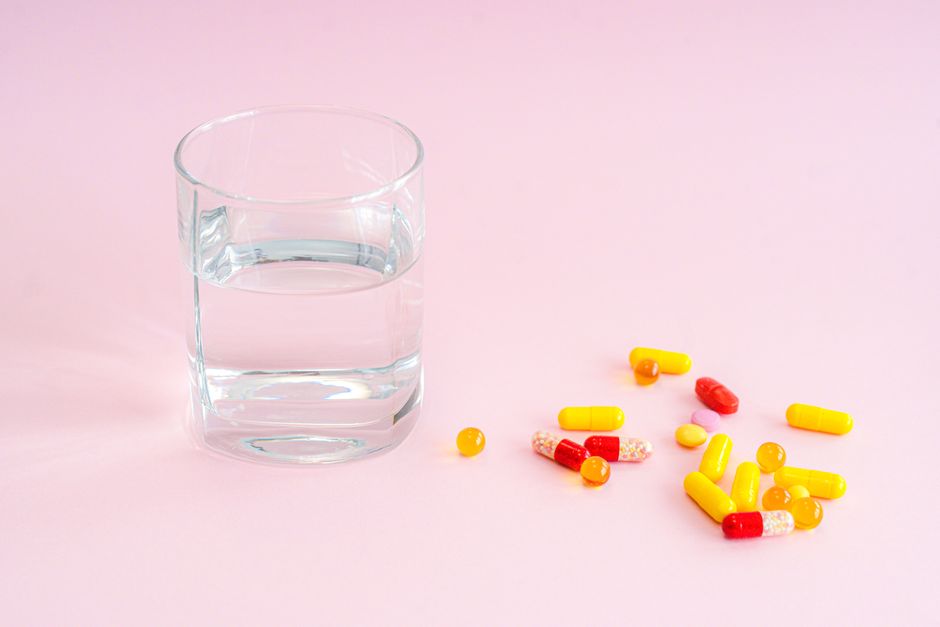
One thing to know: some vitamins, especially B vitamins like riboflavin (B2), can turn urine bright yellow or neon yellow. This is harmless. Your kidneys are just excreting the extra vitamins your body did not absorb.
What Do Different Urine Colors Mean?
Urine color ranges from clear to dark brown, and each shade can tell you something. Here is a simple guide based on what the American Urological Association reports.
| Urine Color | What It Likely Means |
|---|---|
| Clear or pale yellow | Well hydrated. Normal. |
| Dark yellow or amber | Mild to moderate dehydration. Drink water. |
| Bright neon yellow | Extra B vitamins. Harmless. |
| Orange | Could be dehydration, certain medications, or a liver issue. |
| Pink or red | Blood in urine, beets, or certain foods. Always check with a doctor. |
| Brown or cola-colored | Severe dehydration, liver problems, or muscle breakdown. |
| Green or blue | Rare. Usually from dyes in food or medication. Sometimes a bacterial infection. |
If your urine is red, brown, or completely colorless for more than a day, see a doctor. These can be signs of infection, kidney issues, or liver problems. The National Kidney Foundation recommends that anyone with persistent color changes get checked.





What Does Research on Urine Color Show?
Studies have found that urine color is a reliable marker for hydration status. A 2016 study in the Journal of the International Society of Sports Nutrition showed that urine color matched blood markers of hydration in athletes. The darker the urine, the more dehydrated the person was. This makes urine color a practical tool for athletes and people who work outside.
Research also shows that urine color changes can signal liver and kidney disease. A study published in Hepatology found that dark urine was one of the earliest visible signs of hepatitis in some patients. The liver stops processing bilirubin properly, so it builds up and darkens urine.
Some studies suggest that urine color can even help detect urinary tract infections. Cloudy urine with a strong smell is often the first sign. But color alone is not enough to diagnose anything. It is a clue, not a test.
There is also research on what does not change urine color. For example, drinking coffee or tea does not change the yellow pigment. The color you see is still urobilin. Coffee just adds its own brown tint temporarily.
What Are Common Myths About Urine Color?
There are a lot of viral claims about urine color that are not backed by evidence. Here are the most common ones.
- Myth: Clear urine means you are perfectly healthy. Not true. Clear urine can mean you are overhydrated, which dilutes electrolytes. That can be dangerous for athletes.
- Myth: Dark urine always means kidney disease. Most dark urine is just dehydration. Only persistent dark urine with other symptoms like fatigue or swelling points to kidney issues.
- Myth: Eating beets always turns urine red. Only about 10 to 15 percent of people have the genetics to produce beeturia, which turns urine pink or red. For most people, beets do nothing to urine color.
- Myth: Asparagus always makes urine smell. Like beets, this is genetic. Some people smell it, some do not. Both are normal.
The truth is that urine color is mostly about hydration and diet. If you are worried, look for patterns over days, not single instances.
What Should You Do If Your Urine Color Worries You?
First, check your hydration. Drink a glass of water and see if the color lightens within a few hours. If it does, you were just dehydrated. That is the most common cause.
Second, think about what you ate or took in the last 24 hours. B vitamins, certain antibiotics, and laxatives can change urine color. So can foods like blackberries, rhubarb, and fava beans. The color change from these is temporary and harmless.
Third, look for other symptoms. If you have dark urine along with pain when urinating, fever, back pain, or unusual tiredness, see a doctor. If your urine is red or brown and you do not have an obvious cause, get a urine test. The American Academy of Family Physicians says that blood in urine is never normal and should always be evaluated.
If your urine is completely colorless all the time, that can also be a sign of a kidney problem called diabetes insipidus. This is rare, but it is worth mentioning to a doctor if it persists.
Can You Change Your Urine Color on Purpose?
Yes, within limits. You can make your urine lighter by drinking more water. You can make it darker by not drinking enough. You can turn it bright yellow with B vitamins. You can turn it pink by eating beets if you have the genetic trait.
But you cannot change the basic yellow pigment. Urobilin is always there. The color you see is just how concentrated it is. Some people try to make their urine clear to “detox,” but that is not how the body works. Your liver and kidneys are already filtering waste. Clear urine just means you drank extra water.
Some studies suggest that extreme overhydration can be dangerous. Drinking too much water too fast can cause hyponatremia, where sodium levels in your blood drop dangerously low. This is rare but real. The National Athletic Trainers’ Association warns athletes not to force water intake beyond thirst.
Frequently Asked Questions
Why is urine yellow and not another color?
Urine is yellow because of urobilin, a pigment made when your body breaks down old red blood cells. No other common pigment in the body turns urine a different color under normal conditions.
Can drinking more water make urine completely clear?
Yes, drinking enough water can make urine pale or clear. But completely clear urine can mean you are overhydrated, which dilutes important electrolytes.
Does urine color change with age?
Urine color does not change significantly with age. But older adults are more prone to dehydration, which makes urine darker more often.
Is bright yellow urine from vitamins dangerous?
No, bright yellow urine from B vitamins is harmless. Your kidneys are just excreting the extra vitamins your body did not absorb.
