
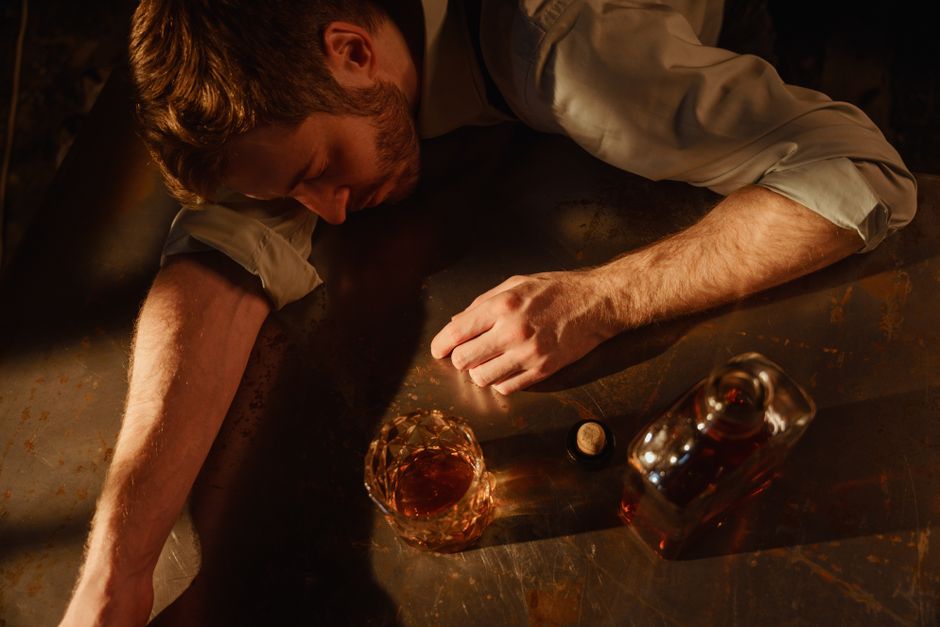
Hangovers are your body’s reaction to alcohol poisoning, and the only way to completely avoid one is to not drink alcohol. But if you choose to drink, science-backed strategies can significantly reduce your chances of waking up miserable. Research points to specific steps before, during, and after drinking that target the root causes of hangovers — dehydration, inflammation, and toxic byproducts from alcohol metabolism.
What Causes a Hangover in the First Place?
Alcohol makes you dehydrated. It suppresses a hormone called vasopressin, which tells your kidneys to hold onto water. Without it, you urinate more and lose fluids faster than you take them in. This leads to headaches, dry mouth, and dizziness.
Your liver breaks alcohol down into acetaldehyde, a toxic compound. Acetaldehyde is more harmful than alcohol itself. It builds up faster than your body can clear it, causing nausea, sweating, and a rapid heart rate. The CDC notes that acetaldehyde is a known carcinogen, and its accumulation is a primary driver of hangover symptoms.
Alcohol also triggers inflammation. It raises levels of immune system chemicals called cytokines. These same chemicals cause the body aches and fatigue you feel when you have the flu. The Journal of Clinical Medicine published a review in 2021 confirming that hangover severity is linked directly to this inflammatory response.
Finally, alcohol disrupts your sleep. You might fall asleep faster, but you spend less time in REM and deep sleep. This leaves you groggy and mentally foggy regardless of how many hours you were in bed.
Does Drinking Water Prevent a Hangover?
Drinking water between alcoholic drinks helps, but it is not a cure. Research published in the journal Alcohol found that people who drank water alongside alcohol had slightly less severe hangovers. But the effect was small. Water alone cannot fix the inflammation or acetaldehyde buildup.
Here is the practical approach. For every standard drink you have, drink a full glass of water. A standard drink is 12 ounces of beer, 5 ounces of wine, or 1.5 ounces of spirits. This slows your alcohol intake and dilutes the concentration in your blood. It also keeps your vasopressin system working better than alcohol alone would allow.
Do not chug a liter of water right before bed hoping it will fix everything. Your kidneys process excess water within an hour. You will just wake up to pee multiple times, which makes sleep disruption worse. Spread your water intake evenly throughout the drinking session.
What Should You Eat Before Drinking to Avoid a Hangover?
Food slows how fast alcohol enters your bloodstream. A full stomach delays gastric emptying, meaning alcohol takes longer to reach your small intestine where most of it is absorbed. This gives your liver more time to process the alcohol.
Fatty foods work best for slowing absorption. A study in the journal Food & Function showed that a meal high in fat delayed peak blood alcohol concentration by nearly 30 minutes compared to eating nothing. This does not mean you should eat a greasy burger right before drinking. Eat a substantial meal two to three hours beforehand. Think eggs, avocado, olive oil, or full-fat yogurt.
Carbohydrates also help. They provide glucose that your brain needs to function while alcohol depresses your central nervous system. A balanced meal with protein, fat, and complex carbs is ideal. The American Heart Association recommends a meal like grilled chicken, brown rice, and steamed vegetables as a solid pre-drinking option.
What about the old advice to drink milk before alcohol? There is no good evidence that milk coats your stomach or reduces absorption. It might settle your stomach if you are prone to nausea, but it does not change how alcohol enters your blood.
| Strategy | What It Does | Evidence Level |
|---|---|---|
| Eating a fatty meal 2-3 hours before | Slows alcohol absorption | Strong — study in Food & Function |
| Drinking water between drinks | Reduces dehydration | Moderate — small effect in Alcohol journal |
| Taking a B vitamin supplement | May support liver metabolism | Weak — some people report benefit |
| Drinking dark liquors over clear | Lower congeners in clear liquors | Strong — research in Alcoholism: Clinical & Experimental Research |




Does the Type of Alcohol You Drink Matter?
Yes, it matters a lot. Darker drinks like whiskey, brandy, and red wine contain higher levels of congeners. These are chemical byproducts of fermentation that give drinks their flavor and color. The problem is that congeners are toxic. They increase hangover severity.
Research published in Alcoholism: Clinical & Experimental Research compared bourbon to vodka. People who drank bourbon — a high-congener drink — reported significantly worse hangovers than those who drank the same amount of vodka. Vodka is low in congeners. So is gin, white rum, and clear tequila.
Red wine is somewhere in the middle. It has tannins and other compounds that can trigger headaches in sensitive people. A 2019 study in the journal Nutrients found that red wine caused more severe hangovers than white wine at the same alcohol content. The difference was small but consistent.
Beer is generally lower in alcohol by volume than wine or spirits, so you absorb it more slowly. But craft beers can be 8% alcohol or higher. A pint of 8% IPA has roughly the same alcohol as two standard beers. People often underestimate this and drink too much too fast.
The safest choice for minimizing hangover is a clear spirit mixed with a non-carbonated, low-sugar mixer. Carbonation speeds alcohol absorption. Sugary mixers like soda or juice add empty calories and can worsen stomach upset.
Can Supplements or Medications Prevent a Hangover?
This is where the hype is loudest and the evidence is thinnest. Many supplements claim to prevent hangovers. Almost none have solid clinical trials backing them.
N-acetyl cysteine is one that some people report helps. It is a precursor to glutathione, a key antioxidant your liver uses to break down acetaldehyde. A small study in the journal Alcohol and Alcoholism found that NAC reduced some hangover symptoms. But the sample size was tiny and the results have not been replicated. As of 2026, there is no clinical evidence that NAC reliably prevents hangovers in most people.
Vitamin B6 has been studied. One trial showed that taking B6 before drinking reduced hangover severity by about 50% in some participants. But the study was funded by a supplement company and had methodological issues. The evidence is weak.
Prickly pear extract is another popular option. A study in the Archives of Internal Medicine found that taking prickly pear five hours before drinking reduced severe hangover symptoms by about 50%. The effect was strongest for nausea and dry mouth. Headaches and dizziness were not significantly reduced. This is one of the better-studied supplements, but the effect is modest and requires precise timing.
Ibuprofen or aspirin before bed? Do not do this. Taking NSAIDs with alcohol increases your risk of stomach bleeding and kidney damage. The American Gastroenterological Association warns against this combination. Acetaminophen is even worse — it can cause severe liver damage when combined with alcohol.
Electrolyte drinks like sports drinks or coconut water can help with rehydration. They are better than plain water because they replace sodium and potassium lost through urination. But they do not address inflammation or acetaldehyde. They are a support tool, not a solution.
How To Avoid A Hangover Science Backed Tips — What Actually Works
There is no single trick. The science-backed approach combines several steps. Here is what the evidence supports.
- Eat a substantial meal with fat and protein two to three hours before you drink.
- Stick to clear liquors like vodka or gin mixed with water or club soda.
- Drink one glass of water for every alcoholic drink. Sip both slowly.
- Set a limit before you start. Know your tolerance. For most people, two to three drinks is the threshold where hangover risk rises sharply.
- Avoid carbonated mixers. They speed alcohol absorption.
- Do not mix different types of alcohol. This does not cause hangovers by itself, but it makes it harder to track how much you have had.
- Get a full night of sleep even if you wake up early. Alcohol disrupts sleep quality, so any extra rest helps.
Research published in Human Psychopharmacology in 2021 reviewed all hangover prevention studies. The authors concluded that the most effective single step is drinking less alcohol. Every other strategy provides only partial relief. No supplement, food, or drink can undo the effects of alcohol once it is in your system.
One non-obvious point: how fast you drink matters more than most people think. Your liver processes about one standard drink per hour. If you drink faster than that, acetaldehyde builds up and stays high. Sipping a drink over an hour is far better than finishing it in 15 minutes. This is a simple behavioral change that has strong biochemical backing.
What About the Morning After — Can You Cure a Hangover?
Once you have a hangover, there is no cure. Time is the only thing that works. Your body needs to process the acetaldehyde, rehydrate, and reduce inflammation on its own.
Drinking more alcohol the next morning — the “hair of the dog” approach — is dangerous. It temporarily numbs symptoms but delays recovery. It also increases your risk of alcohol dependence. The National Institute on Alcohol Abuse and Alcoholism explicitly warns against this practice.
Pain relievers like ibuprofen can help with headaches and body aches. Take them only after you have eaten food and had water. Never take them before or during drinking. Acetaminophen is not safe to take within 24 hours of drinking because of liver toxicity.
Eating a light meal with carbohydrates and protein can help stabilize blood sugar. Alcohol causes blood sugar to drop, which contributes to fatigue and shakiness. Toast with eggs or a banana with peanut butter are good options. Avoid greasy food — it can worsen nausea.
Caffeine is a personal choice. It can help with fatigue but also dehydrates you further. If you drink coffee, have it with water. Do not rely on energy drinks. They contain high levels of caffeine and sugar that can mask how intoxicated you still are.
Frequently Asked Questions
Does eating bread before drinking prevent a hangover?
Bread alone is not enough. You need a meal with fat and protein to slow alcohol absorption effectively.
Can you take a hangover pill after drinking?
No hangover pill has been proven to work in strong clinical trials. Most provide no benefit beyond hydration and pain relief.
Is it true that dark liquor causes worse hangovers?
Yes. Dark liquors contain more congeners, which are toxic byproducts that increase hangover severity compared to clear liquors.
How much water should you drink to avoid a hangover?
Drink one full glass of water for every standard alcoholic drink. Spread it out over the time you are drinking.
