

Stress is the body’s built-in alarm system, and it is supposed to switch on and then switch off. When that alarm stays on for weeks or months, it starts to wear down the heart, the immune system, sleep, mood, and even how the brain stores memory. The reason is simple: the same hormones that help you escape a threat also raise blood pressure, blood sugar, and inflammation, and those changes cause damage when they never fully reset.
Short bursts of stress are normal and often useful. You need a spike of adrenaline to slam the brakes or finish a deadline. The problem is chronic stress — the kind that hums in the background day after day. That is the version tied to real health risks, and it is the version most people are living with.
What Actually Happens in the Body During Stress?
Two systems take over. The first is fast. Within seconds, the sympathetic nervous system releases adrenaline and noradrenaline, which speed up the heart, sharpen focus, and redirect blood flow to muscles. This is the fight-or-flight response, and it is designed to last minutes.
The second system is slower and longer-lasting. The hypothalamus signals the pituitary gland, which signals the adrenal glands to release cortisol. Cortisol raises blood glucose so your muscles have fuel, and it helps regulate blood pressure and inflammation. In a short burst, that is protective. When cortisol stays elevated for months, the same actions start working against you.
Here is the part people often miss: stress is not just a feeling. It is a measurable set of physical changes — heart rate, blood pressure, glucose, clotting factors, and inflammatory markers all shift. Your body does not distinguish well between a real threat and a persistent worry about money or a difficult boss. The hormonal response can look similar either way.
Why Stress Is Bad for Your Heart
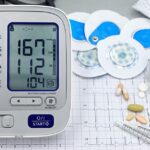
Chronic stress keeps blood pressure and heart rate elevated, and over time that puts extra load on the cardiovascular system. The American Heart Association has pointed to stress as a contributing factor in cardiovascular risk, though it is rarely the sole cause. Stress also tends to travel with behaviors that hurt the heart — poor sleep, more alcohol, less exercise, and comfort eating.
Acute stress can trigger serious cardiac events in people who already have heart disease. This is well documented. Emotional stress has been linked to a condition called stress cardiomyopathy, sometimes called broken heart syndrome, in which a sudden surge of stress hormones temporarily stuns the heart muscle. It is uncommon but real, and it shows how directly emotions can affect the heart.
What stress does not do is act alone. It works through blood pressure, inflammation, and behavior. That is why managing stress helps most when it sits alongside the basics — not instead of them.
How Chronic Stress Affects the Immune System
Cortisol normally damps down inflammation, which is one reason it is used in medicine. With chronic stress, the immune system becomes less responsive to that signal. The result is a strange split: you get sick more often, and you also have more low-grade inflammation circulating.
Research has consistently found that people under long-term stress are more vulnerable to colds and infections. Some studies also suggest slower wound healing in chronically stressed people. The evidence here is solid for immune function broadly, though the exact size of the effect varies from person to person.
Low-grade inflammation matters because it is tied to a long list of conditions, including heart disease, type 2 diabetes, and some autoimmune problems. Stress is one contributor among many, not the whole story.




Why Stress Wrecks Sleep and Then Feeds Itself
Stress and sleep have a two-way relationship. High cortisol and a racing mind make it harder to fall asleep and stay asleep. Then poor sleep raises stress hormones the next day, and the cycle tightens.
The connection is well established. Sleep loss activates the same stress pathways, so a few bad nights can leave you more reactive, more anxious, and less able to concentrate. Over time, chronic short sleep is linked to higher risk of high blood pressure, weight gain, and mood disorders.
This loop is one reason stress is so hard to shake. You cannot fix the stress without sleep, and you cannot fix the sleep while stressed. Breaking it usually means addressing both at once.
Does Stress Really Affect Memory and Mood?
Yes, and the mechanism is fairly well understood. The hippocampus, a region deep in the brain that helps form new memories, has a high concentration of cortisol receptors. Prolonged high cortisol is associated with changes in this area, and with difficulty learning and recalling information.
Mood effects are even more direct. Chronic stress is a known risk factor for depression and anxiety disorders. It does not cause them on its own — genetics, life events, and brain chemistry all play a role — but it is a meaningful contributor, and it often makes existing symptoms worse.
Some research suggests that the brain changes from chronic stress are partly reversible when the stress resolves. That is encouraging, but the evidence on full recovery is mixed and depends on how long the stress lasted and how severe it was.
What Are the Most Common Sources of Chronic Stress?
Modern stressors rarely involve physical danger. They are ongoing and often outside your control, which is exactly what makes them hard on the body.
- Work pressure, job insecurity, or long hours
- Money problems and debt
- Caregiving for a child, parent, or sick partner
- Relationship conflict or loneliness
- Health problems, either your own or a family member’s
- Major life changes, even positive ones like a move or a new baby
The common thread is duration and lack of control. A stressful week is manageable. A stressful year is not the same thing biologically.
How Do You Know If Stress Is Affecting Your Health?
Stress shows up in the body before it shows up on a lab report. Common signs include headaches, muscle tension, jaw clenching, digestive problems, and a racing or pounding heart. Sleep trouble, irritability, and trouble concentrating are also frequent.
None of these symptoms are specific to stress. That is the tricky part. Headaches, fatigue, and stomach issues can have many causes, so it is worth talking to a doctor rather than assuming stress explains everything. If symptoms are persistent or getting worse, get them checked.
There is no blood test that diagnoses stress. Clinicians look at the pattern of symptoms, life circumstances, and other possible causes. That is why self-diagnosis is unreliable here.
What Actually Helps With Chronic Stress?
The evidence is strongest for a handful of approaches. Regular physical activity has consistently been shown to reduce stress symptoms and improve mood. Sleep hygiene — consistent sleep and wake times, a dark cool room, less screen time before bed — supports the same pathways. Slow breathing and relaxation techniques can lower heart rate and blood pressure in the moment, and some studies show benefits with regular practice.
Talk therapy, particularly cognitive behavioral therapy, has good evidence for stress, anxiety, and depression. Mindfulness-based programs also have a reasonable body of research behind them, though results vary.
What has weaker evidence is the supplement aisle. Many products marketed for stress have limited or no large human trials supporting them. That does not mean none work, but claims are often ahead of the data.
One honest point: no single technique erases chronic stress if the source is still there. Reducing the load — changing a work situation, asking for help with caregiving, addressing money problems — often matters more than any relaxation exercise.
When Should You Talk to a Doctor?
Reach out if stress is interfering with sleep, work, or relationships for more than a few weeks, or if you notice chest pain, severe headaches, or persistent changes in appetite or mood. Chest pain and shortness of breath should always be evaluated urgently, because they can signal a heart problem rather than stress.
If you have thoughts of harming yourself, that is a medical emergency. In the US you can call or text 988 to reach the Suicide and Crisis Lifeline.
Doctors can help rule out other conditions that mimic stress — thyroid problems, anemia, and sleep disorders among them. They can also connect you with therapy or, in some cases, medication. Stress is treatable, and getting help early tends to work better than waiting.
Frequently Asked Questions
Why is stress bad for your body?
Chronic stress keeps stress hormones like cortisol and adrenaline elevated, which raises blood pressure and blood sugar and promotes inflammation over time. Those ongoing changes are linked to heart disease, weaker immune function, sleep problems, and mood disorders.
What happens to your body when you are stressed for a long time?
Long-term stress can keep heart rate and blood pressure high, disrupt sleep, and make the immune system less effective at fighting infections. It is also associated with memory and concentration problems and a higher risk of depression and anxiety.
Can stress cause physical symptoms like headaches or stomach issues?
Yes, stress commonly causes headaches, muscle tension, digestive problems, and a racing heart. These symptoms are not specific to stress, so persistent or worsening symptoms should be checked by a doctor.
Does stress go away on its own?
Short-term stress usually resolves once the trigger passes, but chronic stress often does not go away without changes to the situation or active coping strategies. If stress lasts for weeks and affects daily life, talking to a doctor or therapist can help.
