
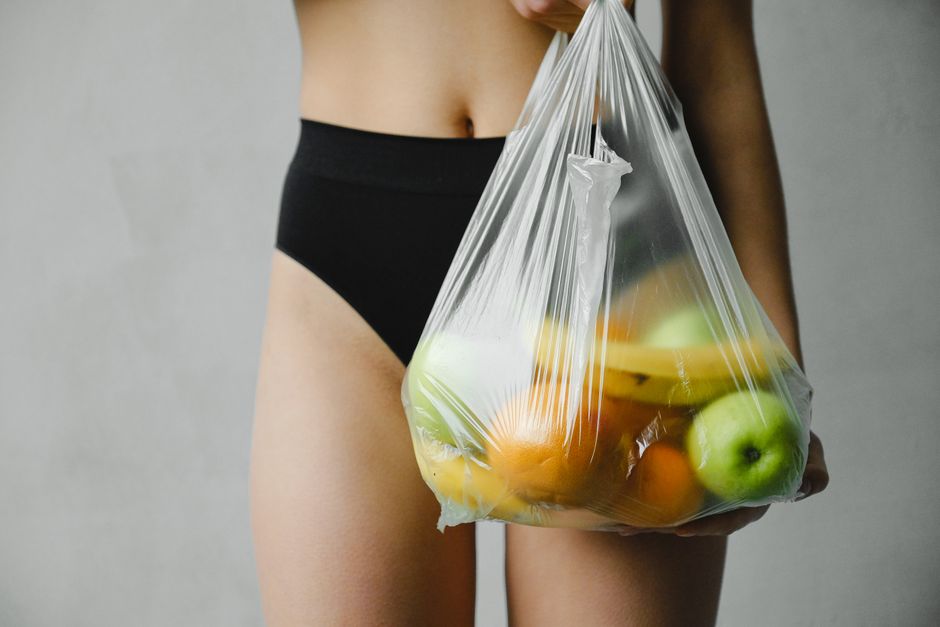
Plastic bags are banned because they create pollution that lasts for centuries, harm wildlife that mistake them for food, and break down into microplastics that can affect human health. Over 100 countries and many cities have restricted or banned single-use plastic bags to address these problems. The bans target the most common type of bag — the thin, single-use shopping bag that people use once and throw away.
How Do Plastic Bags Pollute the Environment?
Plastic bags are made from polyethylene, a material derived from petroleum. They are designed to be cheap and durable. That durability is exactly what makes them a pollution problem.
A typical plastic bag can take hundreds of years to break down in the environment. It does not truly decompose like paper or food waste. Instead, it fragments into smaller and smaller pieces. Sunlight and wave action break bags into microplastics — pieces smaller than five millimeters. Those pieces never disappear completely.
Plastic bags are lightweight and easily carried by wind. They end up in trees, on roadsides, in rivers, and in the ocean. They clog storm drains and sewage systems, which can cause flooding in urban areas. In some countries, cleanup costs for plastic bag litter run into millions of dollars each year.
Most plastic bags are not recycled. Recycling rates for plastic bags remain low because they jam sorting machinery at recycling facilities. Most end up in landfills, incinerators, or the natural environment.
How Does Plastic Bag Pollution Harm Wildlife?
Marine animals are the most visible victims of plastic bag pollution. Sea turtles often mistake floating plastic bags for jellyfish, a common food. When a turtle eats a bag, the plastic can block its digestive tract. A blocked digestive system means the animal cannot absorb nutrients and eventually starves.
Birds face the same problem. Seabirds feed plastic pieces to their chicks, who cannot digest them. Studies have found plastic in the stomachs of a large percentage of seabird species worldwide.
Whales and dolphins can also ingest plastic bags. In some cases, dead whales have washed ashore with stomachs full of plastic debris. The plastic does not break down inside an animal’s stomach. It stays there, taking up space that should hold food.
Land animals are affected too. Cows, deer, and other grazing animals can eat plastic bags that blow into fields. The bags can cause internal blockages that are often fatal.
What Are the Health Risks of Plastic Bags to Humans?
The direct health risk of a plastic bag is small — you are not likely to get sick from touching one. The concern is indirect and long-term.
Plastic bags break down into microplastics. These tiny particles have been found in drinking water, salt, seafood, and even in human blood. Researchers have detected microplastics in lung tissue, liver tissue, and placental tissue.
Scientists do not yet know exactly what microplastics do to human health. The research is still early. What is known is that plastic contains chemical additives — substances like phthalates and bisphenols that are used to make plastic flexible or rigid. Some of these chemicals are endocrine disruptors. That means they can interfere with hormones in the body.
Microplastics can also carry other pollutants. Chemicals like heavy metals and persistent organic pollutants can stick to the surface of plastic particles. When those particles enter the food chain, they can move up through fish and other animals to humans.
No clinical evidence currently confirms that microplastics at environmental levels cause specific human diseases. The evidence is limited, and researchers are still studying the effects. But the fact that plastic particles are inside human bodies is a genuine concern that drives further research.





Why Do Governments Ban Plastic Bags Instead of Just Recycling Them?
Recycling plastic bags sounds like a simple solution, but it does not work well in practice. Most plastic bags are not accepted in curbside recycling programs. They are too thin and flexible for standard sorting equipment.
When plastic bags end up in recycling streams, they wrap around sorting rollers and shut down entire facilities. Many recycling plants spend significant time and money removing plastic bags from their machinery.
The economics do not work either. Virgin plastic is cheap to produce. Recycled plastic is often more expensive. When oil prices drop, making new plastic costs less than collecting, cleaning, and reprocessing old plastic. That means there is little financial incentive to recycle bags.
Bans work because they remove the problem at the source. If a store cannot offer single-use plastic bags, customers must bring their own bags or buy a reusable one. Some bans are combined with fees on paper bags to encourage people to bring reusable bags from home.
Why Plastic Bags Are Banned Pollution Health Wildlife — The Full Picture
The three problems — pollution, health risks, and wildlife harm — are connected. A single plastic bag can start as a shopping bag, become litter, break into microplastics, and end up inside a fish that someone eats.
Pollution is the most visible problem. Plastic bags are everywhere because they are cheap, light, and durable. They do not biodegrade. They photodegrade, meaning sunlight breaks them into smaller pieces. Those pieces persist for hundreds of years.
Wildlife harm is the most immediate problem. Animals cannot tell plastic from food. Once ingested, plastic rarely passes through an animal’s system. It accumulates and causes starvation, internal injuries, or death.
Human health risks are the least understood problem. Microplastics are in the environment, in the food chain, and in human bodies. Whether the amounts found cause measurable harm is still an open question. The precautionary principle — the idea that we should reduce exposure when harm is possible but unproven — is part of why many governments act.
Bans address all three problems at once. Fewer bags in circulation means less litter, fewer animals exposed to plastic, and fewer microplastics entering the food chain.
Do Plastic Bag Bans Actually Work?
Evidence from places that have implemented bans shows measurable reductions in plastic bag litter. Coastal cleanups in areas with bans report fewer plastic bags collected on beaches. Studies in several countries found a significant drop in single-use plastic bag consumption after bans took effect.
Bans are not perfect. Some problems have shifted rather than disappeared. Thicker plastic bags are sometimes sold as “reusable” bags but are still used once and thrown away. Some retailers switched to paper bags, which have their own environmental costs.
Some people buy reusable bags and never use them enough to offset the environmental cost of producing them. A cotton tote bag must be used many times before it has a lower environmental impact than a single plastic bag.
Despite these issues, the overall direction of the evidence is clear. Bans reduce the number of plastic bags entering the environment. They also change consumer behavior over time, encouraging people to bring their own bags.
What Are the Alternatives to Plastic Bags?
Reusable bags made from polypropylene are the most common replacement. They are durable, washable, and can be used hundreds of times. The key is actually reusing them.
Paper bags are biodegradable and recyclable, but they have a higher carbon footprint to produce than plastic bags. They also use more resources to manufacture and transport because they are heavier.
Compostable plastic bags exist, but they require specific industrial composting conditions to break down. They do not decompose well in home compost piles or in the ocean. If a compostable bag ends up in a landfill, it behaves much like a regular plastic bag.
The most effective alternative is simply carrying a bag you already own. No new production is needed. No disposal is needed. The bag is used repeatedly until it wears out, and then it is replaced.
Frequently Asked Questions
Are plastic bags actually banned in the United States?
There is no national ban, but several states and many cities have implemented their own bans or fees on single-use plastic bags. The rules vary by location, so check your local laws.
Do plastic bags break down in the ocean?
Plastic bags do not biodegrade in the ocean. They break into smaller pieces called microplastics through sunlight and wave action, but those pieces persist for hundreds of years.
Can eating fish with microplastics harm you?
Microplastics have been found in seafood, but no clinical evidence currently confirms that eating fish with microplastics causes specific human illness. The research is ongoing, and the long-term effects are not yet known.
Why are plastic bags bad for sea turtles?
Sea turtles mistake floating plastic bags for jellyfish, which is a natural food for them. Eating a plastic bag can block a turtle’s digestive tract and cause starvation or death.
