
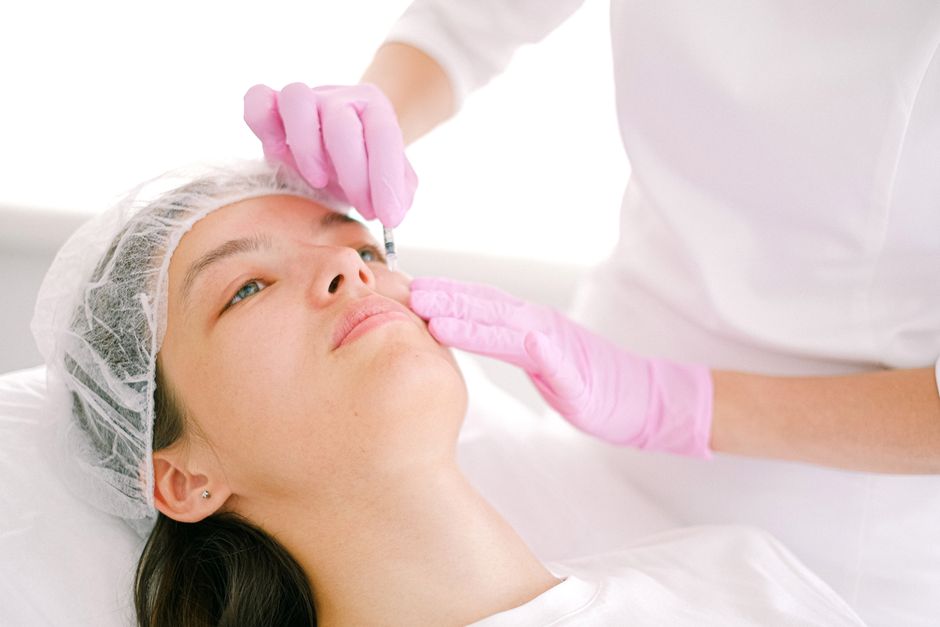
Retinol and Botox interact in a way that can make your cosmetic results worse, not better. Retinol thins the top layer of skin and increases turnover, which can irritate skin that is already healing from injection. Most dermatologists advise waiting at least 7 days after Botox before using retinol again, and some suggest waiting up to 14 days. The exact timing depends on your skin and how your provider wants you to heal.
Why No Retinol After Botox And How Long To Wait
Botox works by blocking the nerve signals that tell certain facial muscles to contract. A small amount of botulinum toxin type A is injected into the muscle. It binds to nerve endings and temporarily prevents them from releasing acetylcholine, the chemical that triggers muscle movement. The muscle relaxes, and the overlying skin smooths out.
That process takes time. The toxin needs to bind to the nerve terminal, get taken into the cell, and block neurotransmitter release. This does not happen instantly. The full effect typically appears over 3 to 7 days and can continue developing for up to 2 weeks.
Retinol, a form of vitamin A, speeds up cell turnover in the top layer of skin. It also thins the stratum corneum, the outermost layer. This is part of why it works for acne and fine lines over months of use. But it also means the skin barrier is more permeable and more easily irritated.
Put those two things together and you can see the problem. Your skin is in a healing phase after injection. Retinol disrupts the skin surface and can cause redness, peeling, and inflammation. That inflammation does not help the Botox work. In some cases, it may make the treated area look worse during the period when you are waiting for results.
There is another concern. Some practitioners believe that vigorous rubbing or irritation near injection sites could cause the toxin to spread slightly to nearby muscles. This is not strongly proven for topical retinol, but it is a reasonable precaution. The official prescribing information for Botox advises against rubbing the treated area for 12 hours after injection. Retinol application involves touching and rubbing the skin.
What Happens If You Use Retinol Too Soon After Botox?
The most common outcome is irritation. You may notice redness, stinging, flaking, or a rough texture in the treated area. This is not dangerous in most cases, but it is uncomfortable and can last several days.
More importantly, irritated skin can look worse than it did before treatment. If you are getting Botox for forehead lines or crow’s feet, adding a red, peeling patch on top of that area defeats the purpose. You will not see the smoothing effect clearly until the irritation resolves.
There is also a small chance that retinol could affect how long your Botox lasts. Retinol increases blood flow to the skin and promotes turnover. Whether this meaningfully speeds up Botox metabolism is not well studied. The evidence here is limited. But given that Botox typically lasts 3 to 4 months for most people, anything that might shorten that window is worth avoiding.
If you accidentally apply retinol a day or two after Botox, do not panic. Wash it off gently with cool water. Do not scrub. Apply a plain moisturizer and skip retinol for at least a week. Call your provider if you notice significant swelling, spreading weakness, or any difficulty swallowing or breathing. Those symptoms are rare but require immediate medical attention.
How Long Should You Wait Before Using Retinol Again?
Seven days is the minimum most dermatologists recommend. Fourteen days is more conservative and may be safer if you have sensitive skin or if your provider used a higher dose.
There is no single official guideline that applies to everyone. The waiting period depends on several factors:
- How your skin normally reacts to retinol
- Whether you are using prescription tretinoin or an over-the-counter retinol
- How many injection sites were treated
- Whether you had any bruising or swelling
- Your provider’s specific instructions
Prescription tretinoin is stronger than over-the-counter retinol. It causes more irritation and barrier disruption. If you use tretinoin, waiting the full 14 days is reasonable.
Your provider’s advice should take priority over any general rule. They know your skin, your treatment history, and exactly what was injected.





Can You Use Retinol Before Botox?
Yes, but stop it a few days before your appointment. Most providers suggest pausing retinol 2 to 3 days before Botox. This gives your skin barrier time to recover so that the injection sites are less likely to become irritated.
If you use retinol regularly and your skin is well-adjusted, some providers may say you can continue up to the day before. Others prefer a longer pause. Ask your injector what they recommend for your specific routine.
The same logic applies to other active ingredients. Alpha hydroxy acids, beta hydroxy acids, and vitamin C serums can all irritate the skin. Many providers recommend pausing these as well before and after treatment.
What Skincare Ingredients Are Safe After Botox?
Gentle, hydrating products are safe immediately after Botox. You do not need to avoid all skincare. In fact, keeping the skin moisturized supports the healing process.
Safe options include:
- A gentle, fragrance-free cleanser
- A basic moisturizer with ceramides or hyaluronic acid
- Sunscreen with SPF 30 or higher
- Cold compresses to reduce swelling
Avoid anything that exfoliates, stings, or increases blood flow for at least a week. That includes retinol, retinoids, AHAs, BHAs, scrubs, and facial massage tools.
Also avoid alcohol-based toners and strong fragrances. These can dry out and irritate the skin when it is already stressed.
Does Retinol Make Botox Wear Off Faster?
There is no strong evidence that retinol makes Botox wear off faster. Botox duration depends mainly on your metabolism, the dose used, the muscle treated, and your immune response to the toxin. Some people naturally metabolize it more quickly than others.
Retinol’s main risk after Botox is irritation and barrier disruption, not faster toxin clearance. The concern about rubbing the area is separate and relates to the first 12 hours after injection.
That said, if retinol causes inflammation, that inflammation could theoretically affect the treated area. But this has not been well studied. The safer approach is to wait until the skin has fully settled before resuming retinol.
What About Other Procedures Like Fillers or Microneedling?
Dermal fillers and Botox have different rules. Fillers add volume, while Botox relaxes muscle. After fillers, many providers advise waiting 24 to 48 hours before applying makeup or active ingredients. Some suggest waiting longer if there is swelling or bruising.
Microneedling and other resurfacing treatments should not be done immediately after Botox. These procedures create controlled injury to the skin and could potentially spread the toxin if done too soon. Most providers recommend waiting at least 2 weeks after Botox before having microneedling or laser treatments.
Always tell any provider performing facial treatments that you have had Botox recently. Timing matters for safety and for your results.
What Should You Do If You Already Used Retinol Too Soon?
Stop using it immediately. Wash your face with cool water and a gentle cleanser. Do not scrub or exfoliate further.
Apply a plain, fragrance-free moisturizer. You can use a cold compress to reduce redness and swelling. Avoid makeup on the irritated area if possible.
Most irritation from a single retinol application will settle within a few days. If it does not improve, or if you develop blistering, severe swelling, or signs of infection, contact your provider or a doctor.
Do not try to “fix” the irritation with more products. Keep your routine simple until your skin returns to normal.
Frequently Asked Questions
How long after Botox can I use retinol?
Wait at least 7 days after Botox before using retinol again. Some dermatologists recommend waiting up to 14 days, especially if you use prescription tretinoin or have sensitive skin.
Can I use retinol the day after Botox?
No, you should not use retinol the day after Botox. Your skin is still healing from the injections, and retinol can cause irritation that may interfere with your results.
What happens if I use retinol too soon after Botox?
You may experience redness, peeling, stinging, or rough texture in the treated area. In rare cases, irritation could make the area look worse while you wait for the Botox to take full effect.
Does retinol affect how long Botox lasts?
There is no strong evidence that retinol shortens Botox results. The main concern is skin irritation, not faster breakdown of the toxin.
