
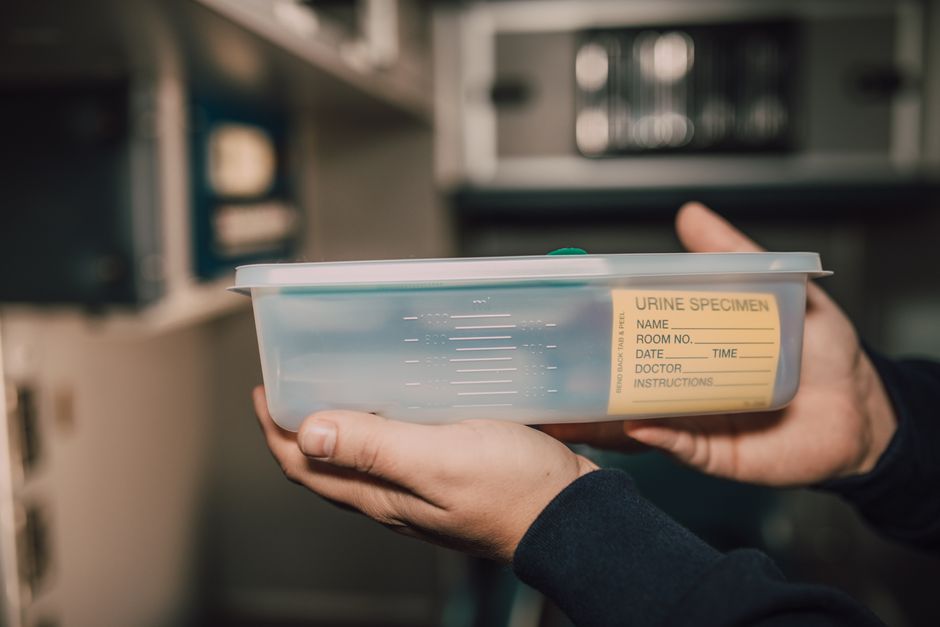
Dark urine can be alarming, but it is often harmless. The color of your urine is largely determined by a pigment called urochrome, which is produced when your body breaks down hemoglobin from old red blood cells. When you are well-hydrated, this pigment is diluted, making urine a pale yellow. When you are dehydrated, the pigment is more concentrated, turning urine a darker amber or honey color.
What Causes Dark Urine?
Dehydration is the most common cause. When you do not drink enough fluids, your kidneys conserve water by producing less urine. That smaller amount of urine carries the same amount of urochrome, so it appears darker.
But dehydration is not the only reason. Dark urine can also come from certain foods, medications, or an underlying medical condition. The key is to look at the exact shade and what you consumed recently.
Urine color is a simple health indicator. Pale straw or transparent yellow usually means good hydration. Dark amber suggests you need more fluids. Brown, red, or cola-colored urine requires more attention.
What Does the Color of My Urine Mean?
Urine color gives real clues about what is happening inside your body. Here is what common shades typically indicate:
- Pale yellow to transparent: Well hydrated. This is the normal range.
- Dark yellow to amber: Mild to moderate dehydration. Drink more water.
- Orange: Can be dehydration, but also a sign of liver or bile duct issues. Certain medications like rifampin or phenazopyridine also cause orange urine.
- Brown or cola-colored: Severe dehydration, muscle breakdown, or liver problems. This shade warrants medical evaluation.
- Red or pink: Could be blood, but also beets, blackberries, or rhubarb. Some medications change urine to a reddish color.
- Blue or green: Rare. Usually from food dyes, medications, or certain medical conditions.
If your urine is dark and you have other symptoms like pain, fever, or jaundice, do not wait to see a doctor.
Can Food Cause Dark Urine?
Yes. Some foods contain pigments that pass through your system and change urine color.
Beets are the classic example. They contain betanin, a red pigment that can turn urine pink or red. This happens in about 10-14% of people, a condition called beeturia. It is harmless.
Fava beans and rhubarb can also change urine color. Asparagus is known for making urine smell strong, but it does not usually darken it. Artificial food dyes in candies, drinks, and snacks can also alter urine color temporarily.
If you ate something unusual and your urine changes color, check again after a few hours. If it returns to normal, the food was likely the cause.





What Medications Cause Dark Urine?
Several common medications change urine color as a known side effect. This is usually harmless and temporary.
- Phenazopyridine: A urinary tract pain reliever that turns urine bright orange or red.
- Rifampin: An antibiotic that turns urine, sweat, and tears orange.
- Laxatives containing senna: Can cause a brownish color.
- Methocarbamol: A muscle relaxant that can cause dark brown or green urine.
- Iron supplements: Can darken urine to a brown or black shade.
- Some chemotherapy drugs: Can cause various urine color changes.
If you started a new medication and notice dark urine, check the patient information leaflet. Most color changes from medications are harmless. But if the color change comes with pain, fever, or decreased urine output, contact your doctor.
When Is Dark Urine a Sign of a Medical Problem?
Dark urine can signal a real medical issue. The most concerning causes involve the liver, kidneys, or muscles.
Liver problems: When your liver is damaged or bile ducts are blocked, bilirubin builds up in the blood. This can turn urine a dark brown or tea color. Other signs include yellowing of the skin and eyes (jaundice), pale stools, and itching.
Muscle breakdown: Severe muscle injury, called rhabdomyolysis, releases myoglobin into the blood. The kidneys filter it out, turning urine brown or cola-colored. This is a medical emergency that can cause kidney damage.
Blood in urine: Blood can turn urine pink, red, or brown depending on how much is present. Causes range from urinary tract infections and kidney stones to more serious conditions. Blood in urine always deserves medical evaluation.
Urinary tract infections: Some infections can make urine cloudy and dark. If you also have burning with urination, frequent urination, or pelvic pain, see a doctor.
Dark urine alone is rarely an emergency. But dark urine with other symptoms is a different story. Seek medical care if you have dark urine along with pain, fever, nausea, vomiting, or jaundice.
How Do I Know If I Am Dehydrated?
Urine color is one of the most reliable daily indicators of hydration status. The darker your urine, the more concentrated it is.
Besides urine color, common signs of dehydration include:
- Dry mouth and lips
- Fatigue or dizziness
- Headache
- Reduced urination frequency
- Constipation
For most healthy adults, drinking enough fluids so that urine stays pale yellow is a simple target. Water needs vary based on body size, activity level, and climate. There is no single daily water amount that fits everyone.
If you drink more water and your urine returns to pale yellow within a few hours, dehydration was likely the cause. This is the easiest way to confirm the diagnosis yourself.
What Should I Do If My Urine Is Dark?
Start with the simplest explanation. Drink a glass of water and see what happens over the next few hours.
Think about what you ate or took recently. Did you have beets, blackberries, or a new medication? If the dark color appeared after a specific food or drug, it will likely resolve on its own.
If you are consistently producing dark urine despite drinking enough fluids, that is a reason to see a doctor. A simple urine test can check for blood, infection, or other abnormalities. Blood tests can assess liver and kidney function.
Do not ignore dark urine that persists. It is a physical sign your body is giving you. The cause is usually minor, but it is worth getting checked if it does not resolve with hydration.
What Is the Normal Color of Urine?
Normal urine ranges from pale yellow to deep amber. The variation depends on your hydration level and diet.
Urochrome is the pigment responsible for the yellow color. It is produced from bilirubin, which comes from the breakdown of red blood cells. Your body continuously produces urochrome, and your kidneys excrete it in urine.
Some vitamins, especially B vitamins, can make urine bright yellow. This is harmless. The color comes from riboflavin (vitamin B2), which your body excretes when you take more than it needs.
If your urine is consistently pale yellow and you feel well, your hydration is likely adequate. If it is consistently dark, increase your fluid intake and monitor the color.
Frequently Asked Questions
Can dark urine mean I have a kidney stone?
Kidney stones do not usually cause dark urine on their own, but they can cause blood in the urine, which appears pink, red, or brown. Kidney stones typically cause severe pain in the back or side, often described as one of the most intense pains a person can experience.
Is dark urine in the morning normal?
Yes, dark urine in the morning is common because you have not had fluids for many hours overnight. Your body concentrates urine while you sleep, so the first urination of the day is often darker. It should return to pale yellow after you drink fluids.
Does dark urine always mean I am dehydrated?
No. Dehydration is the most common cause, but dark urine can also come from foods, medications, liver problems, muscle breakdown, or blood in the urine. If drinking water does not lighten your urine within a few hours, consider other causes and seek medical advice.
Can dark urine be a sign of liver disease?
Yes, dark brown or tea-colored urine can indicate liver disease or bile duct blockage. This happens when bilirubin builds up in the blood and is excreted by the kidneys. If dark urine comes with yellowing of the skin or eyes, pale stools, or abdominal pain, see a doctor promptly.
