
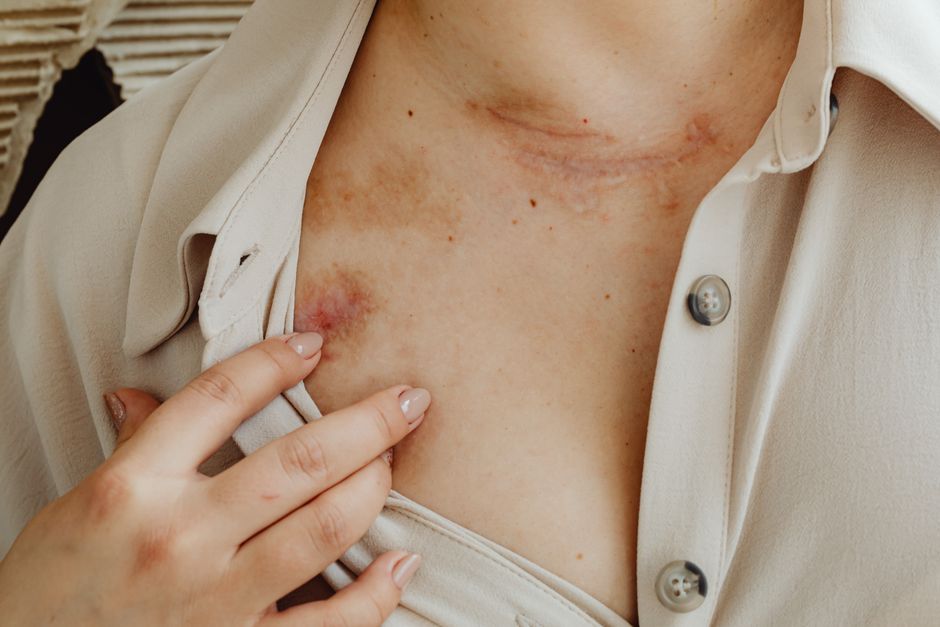
Adult acne is not teenage acne, and treating it like it is will often fail. If you are over 25 and your skin is breaking out, the cause is usually a combination of internal changes and external habits, not just dirt or poor hygiene. Breakouts happen when hair follicles become clogged with oil and dead skin cells, which allows bacteria to multiply and triggers inflammation. Understanding the specific triggers for your skin type is the first step to actually clearing it up.
Why Is Your Skin Breaking Out When You Are an Adult?
Adult acne is common. Studies show it affects a significant number of people in their 30s, 40s, and even 50s. It is not a sign that you are doing something wrong with your skincare routine.
The underlying mechanism is the same at any age. Your sebaceous glands produce oil called sebum. When sebum mixes with dead skin cells, it can plug a hair follicle. The plugged follicle becomes a breeding ground for Cutibacterium acnes bacteria. The immune system responds, causing redness, swelling, and pus.
What changes with age is the trigger. Teenagers break out because of a surge in hormones during puberty. Adults break out because of fluctuating hormones, stress, diet, or products that clog pores. The location of your breakouts often hints at the cause—but not always with certainty.
Does Stress Really Cause Breakouts?
Yes, stress directly affects your skin. When you are stressed, your body releases cortisol and other stress hormones. These hormones signal your sebaceous glands to produce more oil.
More oil means more clogged pores. Stress also slows down wound healing, which means existing pimples take longer to go away. Some research suggests stress can also increase inflammation, making breakouts look angrier and more red.
This is not a psychological issue. It is a measurable biological response. If you notice breakouts flare during exams, work deadlines, or personal conflict, stress is a likely contributor. Managing stress will not cure acne on its own, but it is a legitimate part of a treatment plan.
Can Your Diet Make You Break Out?
The link between diet and acne was dismissed for years by dermatologists. That has changed. Current evidence indicates diet can influence breakouts, though it is not the sole cause for everyone.
The strongest evidence points to high-glycemic foods. These are foods that spike your blood sugar quickly—white bread, sugary drinks, candy, and processed snacks. A rapid rise in blood sugar triggers insulin and insulin-like growth factor. These hormones can increase sebum production and skin cell turnover, leading to clogged pores.
Dairy is more controversial. Some studies have found a link between skim milk and acne, but the evidence is not strong enough to tell everyone to stop drinking milk. If you consume large amounts of dairy and struggle with breakouts, it may be worth reducing your intake for a few weeks to see if your skin changes. This is a reasonable self-experiment, not a proven cure.
Chocolate has been blamed for acne for decades. Research does not consistently support this. Dark chocolate in moderation is unlikely to be a major trigger for most people.





Are Your Skincare Products Causing the Problem?
This is one of the most common and most fixable causes of adult breakouts. Products labeled “non-comedogenic” are supposed to not clog pores, but the term is not strictly regulated.
Heavy moisturizers, thick sunscreens, and oil-based makeup can all trap oil and dead skin against the follicle opening. Hair products are a frequent hidden culprit—gels, pomades, and sprays can migrate onto your forehead and temples, causing breakouts along the hairline.
Another issue is over-washing or over-exfoliating. When you strip your skin of all its oil, your sebaceous glands respond by producing even more oil to compensate. This can create a cycle of dryness followed by oiliness and breakouts.
If you suspect a product is causing breakouts, stop using it for two to three weeks. Introduce only one new product at a time so you can identify what your skin tolerates. Look for water-based moisturizers and mineral sunscreens containing zinc oxide or titanium dioxide, which are less likely to clog pores.
Hormonal Fluctuations: The Hidden Trigger
Hormones are the most common cause of adult acne in women. Androgens, which are male hormones present in both sexes, stimulate sebum production. Fluctuations in estrogen and progesterone during the menstrual cycle can also influence breakouts.
Many women notice breakouts in the week before their period. This is a normal pattern. The drop in estrogen right before menstruation allows androgens to have a stronger effect on oil production.
Polycystic ovary syndrome, or PCOS, is a medical condition that can cause acne along with irregular periods and excess hair growth. If your breakouts are persistent, deep, and painful—especially along the jawline and chin—and you have other symptoms like irregular cycles, it is worth discussing with a doctor. This is not a diagnosis you should make yourself.
Perimenopause and menopause also shift hormone levels. Some women who never had acne as teenagers develop it in their 40s and 50s as estrogen declines.
When Should You See a Dermatologist for Breakouts?
Not every breakout needs a doctor. Over-the-counter treatments containing benzoyl peroxide or salicylic acid work for mild cases. Benzoyl peroxide kills bacteria and helps clear pores. Salicylic acid helps unclog pores by removing dead skin cells.
You should see a dermatologist if your breakouts are deep, painful, or leaving scars. You should also see one if over-the-counter products have not helped after several months of consistent use. Prescription options include topical retinoids, antibiotics, and for women, hormonal therapies like spironolactone or certain birth control pills.
Isotretinoin, formerly known as Accutane, is reserved for severe, scarring acne that has not responded to other treatments. It is highly effective but requires close medical monitoring due to potential side effects. This is a decision only a doctor can make.
Do not squeeze deep pimples or cysts. This can push bacteria deeper into the skin, worsen inflammation, and increase the chance of permanent scarring. A warm compress can help bring a pimple to a head, but if it does not come to the surface on its own, leave it alone.
Do Genetics Determine Whether You Get Acne?
Genetics play a significant role. If both of your parents had adult acne, you are more likely to develop it. Researchers have identified specific genes involved in sebum production and the inflammatory response.
This does not mean acne is predetermined and untreatable. It means your skin may have a lower threshold for breakouts. What causes a breakout in you might not affect someone else. This is why comparing your skin to a friend’s or partner’s is not useful—your genetic baseline is different.
Understanding your family history can help set realistic expectations. If acne runs in your family, you may need prescription treatments rather than relying only on over-the-counter products. Early treatment is important to prevent scarring, which is permanent.
Frequently Asked Questions
Why is my skin breaking out all of a sudden?
Sudden breakouts are usually triggered by a recent change—new skincare products, increased stress, hormonal shifts, or a change in diet. Review what changed in the last month to identify the likely trigger.
Does washing your face more help acne?
No. Washing more than twice a day strips your skin of natural oils, which can cause your glands to produce more oil and worsen breakouts. Wash gently with a mild cleanser in the morning and before bed.
Can toothpaste clear a pimple overnight?
No. This is a myth. Toothpaste contains ingredients that can irritate and burn the skin, making the pimple more inflamed. Use a spot treatment with benzoyl peroxide instead.
Is adult acne caused by poor hygiene?
No. Acne is not caused by dirt. It is caused by oil, dead skin cells, bacteria, and inflammation. Over-washing can actually make acne worse by irritating the skin.
