
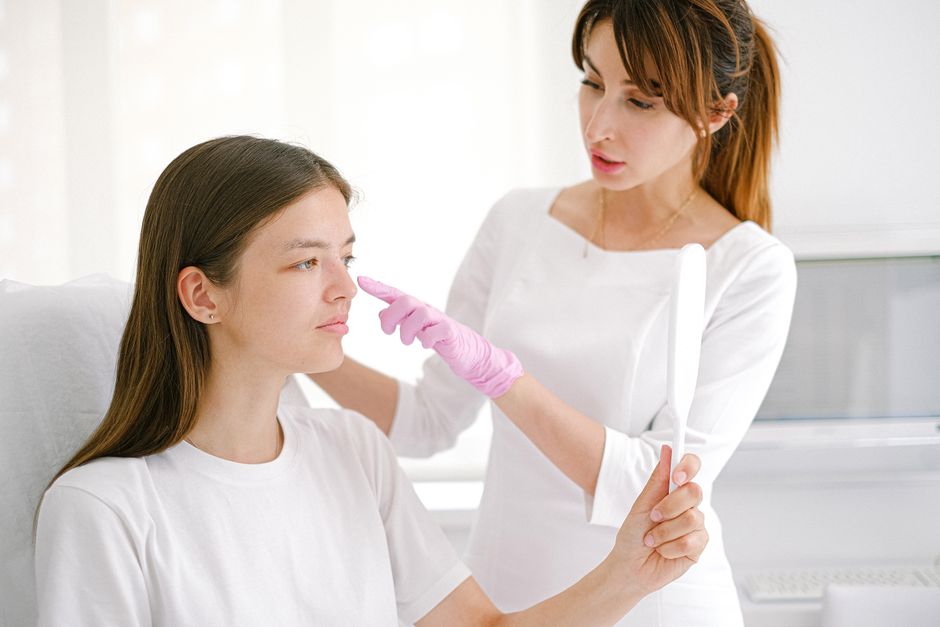
When a dermatologist freezes skin, they are using extreme cold to destroy unwanted tissue. The procedure is called cryotherapy or cryosurgery. Liquid nitrogen is applied to the skin, reaching temperatures around -320°F (-196°C). This intense cold causes ice crystals to form inside the cells, which damages their structure and cuts off their blood supply. The treated cells die and eventually fall off or are absorbed by the body, leaving room for healthier skin to form.
Why Does a Dermatologist Freeze Skin?
Dermatologists use cryotherapy to treat a wide range of skin issues. The most common targets are benign growths like warts, skin tags, and seborrheic keratoses. These are non-cancerous but can be bothersome or unsightly.
Freezing is also used for pre-cancerous lesions called actinic keratoses. These rough, scaly patches develop from years of sun exposure. Treating them early prevents them from progressing to squamous cell carcinoma, a type of skin cancer.
In some cases, dermatologists freeze small, superficial skin cancers like basal cell carcinoma or squamous cell carcinoma in situ. The doctor decides if a lesion is suitable for freezing based on its size, depth, and location. Not all skin cancers are treated this way. Thicker or more aggressive cancers require surgical removal.
What Does the Procedure Actually Feel Like?
The procedure is quick. Most treatments take between 5 and 30 seconds depending on the size and type of the lesion.
You will feel intense cold and a sharp stinging sensation when the liquid nitrogen touches your skin. It feels like a brief, deep burn from cold. The area may throb for a few minutes afterward. Some people describe a headache during treatment if the lesion is on the scalp or face. This is a normal nerve response and passes quickly.
Your dermatologist may use a spray device or a cotton-tipped applicator. The spray device is more common for larger areas. The cotton applicator gives more precise control for small or delicate spots like the eyelid. No anesthesia is needed for most patients because the cold itself numbs the area quickly.
What Happens to the Skin Right After Freezing?
Within minutes, the treated area becomes red and swollen. Over the next few hours, a blister forms. This blister is a normal part of the healing process. It means the body is clearing away the damaged cells.
The blister may fill with fluid or blood. Do not pop it. The intact blister acts as a natural bandage and reduces the risk of infection. If it breaks on its own, keep the area clean and apply a thin layer of petroleum jelly.
After about 5 to 10 days, the blister dries up and forms a scab. The scab will fall off on its own. Never pull it off early. Pulling it off can leave a scar or delay healing.
How Long Does Healing Take?
Healing time depends on the location and depth of the freeze. Facial lesions often heal faster because the skin there has a rich blood supply. Lesions on the legs or feet take longer.
A superficial freeze, like one for a small skin tag, may heal within a week. A deeper freeze for a wart or actinic keratosis can take 2 to 4 weeks. The skin may remain pink or red for several weeks after the scab falls off. This is called post-inflammatory erythema and it fades gradually.
Some lesions require more than one treatment. Warts on the hands or feet often need repeat freezing every 2 to 4 weeks. Actinic keratoses may also need a second session if the first freeze does not clear them completely.
What Are the Possible Side Effects and Risks?
Cryotherapy is generally safe, but it is not risk-free. Knowing the possible side effects helps you recognize what is normal and what needs medical attention.
- Pain: Most people feel stinging during the freeze and throbbing for a few hours. Over-the-counter pain relievers like acetaminophen can help if needed.
- Blisters: Almost everyone gets a blister. It is part of the healing process.
- Infection: Rare but possible. Signs include increasing pain, pus, spreading redness, or fever. Contact your dermatologist if these occur.
- Scarring: Less common than with surgery, but possible. Deep freezes or freezes on areas with thin skin are more likely to scar.
- Changes in skin color: The treated area may heal lighter or darker than the surrounding skin. This is more noticeable in people with darker skin tones. The color change can be permanent.
- Nerve damage: Very rare. Freezing near a superficial nerve can cause temporary numbness or tingling. This usually resolves within months.
What Happens When The Dermatologist Freezes Skin That Is Cancerous?
When freezing is used for skin cancer, the goal is complete destruction of the malignant cells. The extreme cold kills the cancer cells directly. It also damages the small blood vessels feeding the tumor, which contributes to cell death.
Cryotherapy is most effective for thin, well-defined skin cancers. The dermatologist may use a technique called curettage before freezing. This involves scraping the tumor with a sharp instrument called a curette before applying liquid nitrogen. The combination removes more tissue and improves the cure rate.
Patients need follow-up visits after cryotherapy for skin cancer. The dermatologist checks that the area has healed completely and that no cancer cells remain. Cure rates for properly selected lesions are high, but recurrence is possible. Any new growth in or near the treated area should be evaluated promptly.
How Should You Care for the Area at Home?
Proper aftercare reduces the risk of infection and improves the cosmetic outcome. Your dermatologist will give you specific instructions, but general guidelines apply.
Keep the area clean and dry for the first 24 hours. After that, you can wash it gently with mild soap and water. Pat it dry with a clean towel. Do not rub.
If the blister breaks, clean the area and apply a small amount of antibiotic ointment or petroleum jelly. Cover it with a bandage to keep it clean. Change the bandage daily.
Avoid picking at the scab. Let it fall off naturally. Protect the healing skin from sun exposure. The new skin is delicate and burns more easily. Use sunscreen on the area once the scab has fallen off.
What Should You Not Do After Cryotherapy?
Certain activities can interfere with healing or increase complications. Avoid them until your dermatologist says it is safe.
Do not soak the treated area in water. No swimming, hot tubs, or long baths for at least a week. Do not apply makeup to a treated area on the face until the blister has dried and the scab has formed. Do not use harsh chemical exfoliants or retinoids on the area.
If the treatment was for a wart on your foot, avoid running or prolonged standing for a few days. The area will be tender and pressure can worsen the blister. Wear comfortable shoes and consider a padded bandage.
Frequently Asked Questions
Does freezing skin hurt?
Yes, you will feel a sharp stinging sensation during the freeze and some throbbing afterward. The discomfort usually lasts only a few minutes to a few hours.
How long does a frozen skin lesion take to heal?
Most lesions heal within 2 to 4 weeks. Superficial treatments may heal in about a week, while deeper freezes on the legs or feet take longer.
Can I pop the blister after cryotherapy?
No, leave the blister intact. It acts as a natural bandage and protects the healing skin from infection.
Will freezing skin leave a scar?
Scarring is possible but less common than with surgery. Deep freezes and treatments on thin skin are more likely to leave a scar.
