
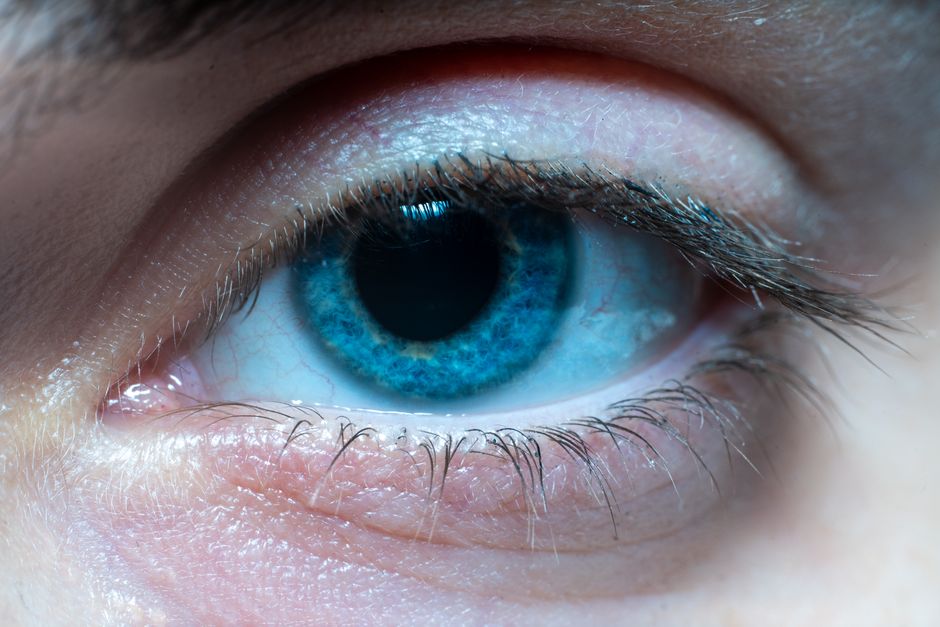
Your pupils get big for two main reasons: either the muscles in your iris are relaxing in low light, or your body is releasing adrenaline and other chemicals that tell the pupil to open wide. A pupil can also look larger because of certain medications, drugs, or a medical problem affecting the eye or the nerves that control it. Size alone does not tell you the cause. What matters is the pattern — whether both pupils are large, whether they react to light, and what else is going on at the same time.
Why Is Your Pupils So Big? The Basic Mechanism
The colored part of your eye is the iris. It holds two sets of tiny muscles that work against each other. One set circles the pupil like a ring and squeezes it smaller when it contracts. The other set radiates outward from the pupil like spokes and pulls it wider when it contracts.
Two branches of your nervous system control these muscles.
- The parasympathetic system travels through the third cranial nerve and tells the ring muscle to tighten. This makes the pupil smaller.
- The sympathetic system sends signals down your neck and into the eye to tell the spoke muscles to pull open. This makes the pupil bigger.
A large pupil usually means one of two things: the opening signals are turned up, or the closing signals are turned down. Almost every cause on this list fits into one of those two buckets.
The normal pupil changes size constantly. It typically ranges from about 2 to 4 millimeters in bright light and 4 to 8 millimeters in the dark. Those numbers vary from person to person, and they change with age. A pupil that is naturally wide in dim light is not a problem. A pupil that stays wide in a bright room is worth a closer look.
Common Everyday Reasons Your Pupils Look Bigger
Most of the time, large pupils are a normal response to your surroundings or your emotional state.
Low light. This is the most common reason by far. Walk into a dark room and your pupils widen within seconds to let in more light.
Strong emotions. Fear, surprise, excitement, and even seeing something you find appealing can trigger a small adrenaline release. Adrenaline drives the sympathetic system, and the pupils open up. This is the same reason pupils widen during a stressful moment or a close call.
Focusing on something close or interesting. When you look at something near your face, your pupils constrict as part of the near reflex. But when your attention is captured by something engaging, arousal can widen them. The two effects can overlap.
Age. Pupils tend to get smaller as people get older. A middle-aged adult’s pupils are usually smaller than a young adult’s, so a relatively large pupil in someone over 40 may stand out more.
Eye color. Lighter irises make the pupil more visible. The actual pupil size may be the same, but it looks bigger against a pale blue or green iris.
Medications and Substances That Widen the Pupil
Many common medicines and drugs cause the pupil to dilate. This is called mydriasis.
Some medications block the parasympathetic signal that normally keeps the pupil small. Others boost the sympathetic signal that opens it. Both end with a larger pupil.
- Antihistamines and some cold and allergy medicines
- Certain antidepressants, including some SSRIs and SNRIs
- Motion sickness patches containing scopolamine
- Some nausea medicines
- Stimulants used for ADHD
- Some asthma inhalers and decongestants
- Parkinson’s disease medications
- Certain anti-seizure drugs
Recreational drugs also widen the pupils. These include cocaine, amphetamines, MDMA, LSD, and psilocybin. Alcohol and opioids usually do the opposite and make pupils smaller, which is why emergency clinicians sometimes use pupil size as one clue among many.
Eye drops used in an eye exam deliberately dilate the pupil and can keep it wide for several hours. If you have ever had your eyes dilated at the doctor’s office, you already know the feeling.
One detail people often miss: a single medication applied to one eye, or a drug that reaches one eye more than the other, can cause one pupil to be large while the other stays normal. That asymmetry is a meaningful clue.





When One Pupil Is Bigger Than the Other
Unequal pupils are called anisocoria. Up to about one in five healthy people have a small, harmless difference between their two pupils. This is called physiologic anisocoria, and it does not need treatment.
The key question is whether the difference is new or has always been there. If you have photos from years ago showing the same slight difference, it is almost certainly benign.
A new difference, especially one that comes with other symptoms, needs medical attention. Warning signs include:
- A pupil that does not shrink in bright light
- Drooping eyelid on the same side
- Double vision
- Eye pain or a red eye
- Headache, especially a sudden severe one
- Weakness, numbness, or trouble speaking
A sudden large pupil with a drooping eyelid and double vision can point to a problem with the third cranial nerve, including a serious cause such as pressure from an aneurysm. This combination is a medical emergency. Do not wait to see if it improves.
A large pupil that reacts poorly to light, along with a drooping eyelid and reduced sweating on one side of the face, can suggest a sympathetic nerve problem in the neck. Some cases are harmless, but others are not, so this pattern also deserves prompt evaluation.
Medical Causes of Dilated Pupils
Several health conditions can cause the pupils to stay wide or to react poorly to light.
Head injury. A blow to the head can raise pressure inside the skull and affect the nerves that control the pupil. A pupil that becomes fixed and wide after a head injury is an emergency.
Adie’s pupil. This is a condition where one pupil is large and reacts very slowly to light. It is often harmless on its own but can be linked to other nerve problems, so it is usually checked by a doctor.
Third nerve palsy. Damage to the third cranial nerve can leave a pupil wide and unable to constrict. Causes range from diabetes and high blood pressure to pressure from a blood vessel or tumor.
Seizures. Some seizures cause pupil dilation, usually along with other clear symptoms.
Severe illness or low oxygen. In very sick patients, pupils can become wide and sluggish. This is a sign of a serious problem and is monitored in hospital settings.
Brain death. Fixed, wide pupils that do not respond to light are one of the clinical signs used in the formal evaluation of brain death. This is a hospital determination, not something to self-assess.
How Doctors Figure Out the Cause
When someone comes in with large pupils, the first step is a careful history. Doctors ask about medicines, eye drops, drug use, recent head injury, and when the change started.
Then they check the pupils directly. They look at size in light and in darkness, how quickly each pupil reacts, and whether the two pupils behave the same way. A swinging flashlight test compares how each pupil responds when light moves from one eye to the other.
Other tests may include a slit lamp exam to look inside the eye, eye drops that test how the pupil muscle responds, and imaging such as an MRI or CT scan if a nerve or brain problem is suspected.
The pattern of findings usually points to the cause. A pupil that reacts normally but is just wide in the dark is not the same as a pupil that is wide and fixed in bright light. Those two situations have very different meanings.
When to See a Doctor
Large pupils on their own, especially in dim light or during emotional moments, are normal and do not need medical care.
Get medical help right away if a large pupil comes with any of these:
- Sudden severe headache
- Head injury
- Drooping eyelid or double vision
- Eye pain, redness, or vision loss
- Confusion, weakness, or trouble speaking
- A pupil that stays wide in bright light and does not shrink
If the change is gradual, affects both eyes equally, and comes with no other symptoms, it is reasonable to mention it at your next routine visit. Your doctor can check whether it is simply your normal anatomy or something that needs a closer look.
Frequently Asked Questions
Why are my pupils so big in the dark?
In low light, your parasympathetic system reduces the signal that keeps the pupil small, so the pupil opens to let in more light. This is a normal reflex and not a sign of a problem.
Can stress make your pupils bigger?
Yes. Stress triggers adrenaline, which activates the sympathetic nerves that widen the pupil. This is a normal response and usually fades as the stress passes.
What does it mean if one pupil is bigger than the other?
A small difference between pupils is common and harmless in many people. A new or sudden difference, especially with a drooping eyelid, double vision, or eye pain, needs medical evaluation right away.
Do any medications cause dilated pupils?
Yes. Antihistamines, some antidepressants, motion sickness patches, stimulants, and certain other prescription medicines can widen the pupils. Tell your doctor about any new pupil change if you started a new medicine recently.
