
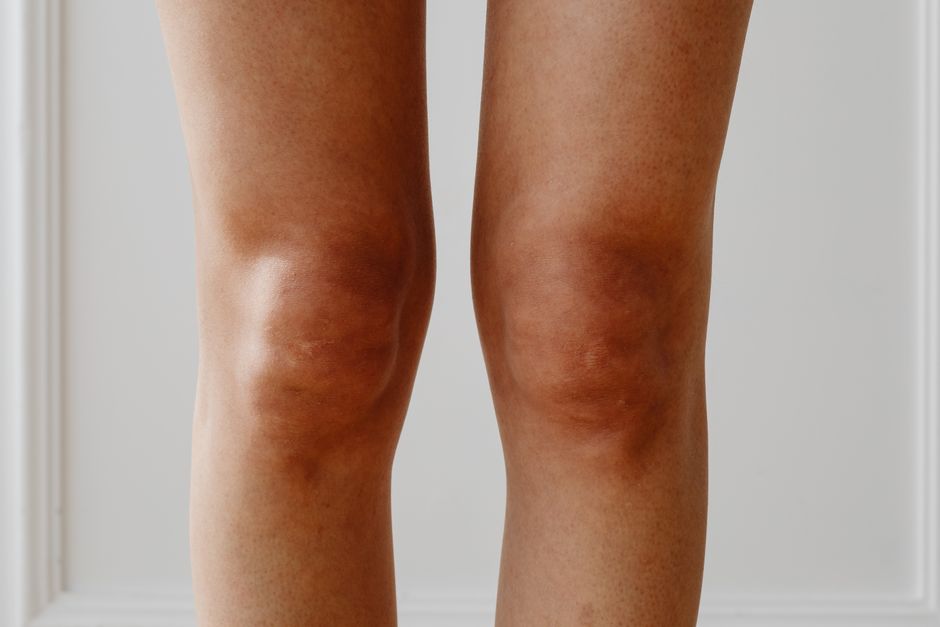
That snap, crackle, or pop you feel in your knee can be unsettling, but it is often harmless. The medical term for this sound is crepitus. Most of the time, knee popping is just gas bubbles bursting in the joint fluid or a tendon snapping over a bone. However, if the pop comes with pain, swelling, or a feeling that the knee will give way, it can signal a more serious problem like cartilage damage or a ligament injury.
Why Is Your Knee Popping? Common Causes
Understanding why your knee pops starts with knowing what is inside the joint. The knee is a hinge joint made of bone, cartilage, ligaments, tendons, and fluid. Each part can create a sound under certain conditions.
Most popping falls into one of these categories:
- Gas bubble release: Synovial fluid lubricates the joint. When you bend or straighten the knee, pressure changes can cause tiny gas bubbles to form and collapse. This creates a harmless pop, similar to cracking your knuckles.
- Tendon movement: Tendons connect muscle to bone. A tendon can snap over a bony bump as the knee bends. This is common and usually painless.
- Cartilage wear: The meniscus is a C-shaped piece of cartilage that cushions the knee. As it wears down with age, the joint surfaces become rougher. This can produce a grinding or popping sensation.
- Ligament movement: Ligaments connect bone to bone. After an injury, a ligament may move slightly out of its normal path and pop back into place.
If the pop is painless and happens occasionally, it is rarely a reason for concern. The knee is a complex joint, and some noise is normal.
When Knee Popping Signals a Problem
Pain changes everything. A popping knee without pain is usually benign. A popping knee with pain deserves attention.
See a healthcare provider if the popping is accompanied by any of these signs:
- Swelling that appears within hours of the pop
- Sharp pain during the pop or after it
- A feeling that the knee is unstable or will buckle
- Difficulty bearing weight on the leg
- Locking, where the knee gets stuck and cannot fully straighten
- Redness or warmth around the joint
These symptoms can point to a meniscus tear, a ligament sprain, or loose cartilage fragments inside the joint. A torn meniscus often produces a popping sensation at the moment of injury, followed by swelling and stiffness. An anterior cruciate ligament (ACL) tear can also make a pop sound at the time of injury. This pop is often loud and is frequently followed by rapid swelling.
The Difference Between Popping, Clicking, and Grinding
Not all knee noises are the same. The type of sound can offer clues about what is happening inside the joint.
Popping is a single, distinct sound. It often comes from gas release or a tendon moving over bone. If painless, it is usually harmless.
Clicking is a repetitive sound that happens with each bend of the knee. It can come from a slightly thickened fold of tissue called a plica, or from a tendon that tracks unevenly. Clicking without pain is generally not a concern.
Grinding or creaking sounds like sandpaper rubbing together. This often indicates cartilage wear, which is the hallmark of osteoarthritis. Grinding is more likely to be associated with pain and stiffness, especially in the morning or after sitting for a long time.
These categories overlap. Many people have a mix of sounds. The key factor remains the same: pain and swelling matter more than the sound itself.



Knee Popping and Osteoarthritis
Osteoarthritis is the most common cause of persistent knee noise in adults over 40. The cartilage that cushions the joint gradually wears away. Without this smooth surface, bones rub against each other during movement.
This friction produces a grinding or popping sensation. It is often worse after periods of inactivity. Many people with knee osteoarthritis notice stiffness in the morning that eases after a few minutes of movement.
Knee popping alone does not mean you have osteoarthritis. Many people with noisy knees have completely healthy joints. But if the popping is accompanied by deep aching pain, stiffness, and swelling after activity, osteoarthritis becomes more likely.
Research consistently shows that quadriceps strength helps protect the knee joint. Strong thigh muscles absorb shock and reduce the load on cartilage. Maintaining a healthy weight also reduces stress on the knee. Each pound of body weight places roughly four pounds of pressure on the knee joint during walking.
Meniscus Tears and Ligament Injuries
A meniscus tear often produces a distinct pop at the moment of injury. This frequently happens during a twisting movement while the foot is planted. The knee may swell over the next 24 to 48 hours, and bending or straightening the leg can become painful.
Ligament injuries also produce pops. An ACL tear is often described as a loud pop, sometimes audible to others nearby. The knee typically swells rapidly, within a few hours, due to bleeding inside the joint. The leg may feel unstable, as if the knee will give way.
These injuries require medical evaluation. An orthopedic specialist can perform physical tests and may order an MRI to confirm the diagnosis. Treatment ranges from physical therapy to surgery, depending on the severity of the tear and your activity level.
If you heard a pop and your knee swelled within a few hours, do not wait to see if it improves. Rapid swelling after a pop suggests internal bleeding, which is a sign of a significant injury.
Patellofemoral Pain Syndrome and Popping
The kneecap, or patella, sits in a groove at the front of the knee. Patellofemoral pain syndrome occurs when the kneecap does not track smoothly through this groove. This condition is common in runners, cyclists, and people who spend long hours kneeling.
This tracking problem can produce popping or clicking sounds with each step. The pain is typically felt at the front of the knee, around or behind the kneecap. It often worsens when going up or down stairs, squatting, or sitting with the knee bent for a long time.
Weak hip and thigh muscles contribute to poor kneecap tracking. Physical therapy that strengthens the glutes and quadriceps often improves symptoms. Taping the kneecap can provide temporary relief during activity.
The popping sound itself is not the problem. The pain and the underlying muscle weakness are. Strengthening exercises are the most evidence-based treatment for this condition.
When to See a Doctor for Knee Popping
Not every popping knee requires a doctor visit. Many people live with noisy knees for decades without any problems. The decision to seek care should be based on symptoms, not sound.
Make an appointment if you experience any of the following:
- Pain that lasts more than a few days
- Swelling, especially if it appears quickly
- A feeling that the knee is unstable or will give way
- Locking or catching that prevents full movement
- Difficulty bearing weight on the leg
- Redness, warmth, or fever, which can indicate infection
During the visit, the provider will examine the knee, test its range of motion, and check for tenderness along the joint line. Imaging may be ordered if a structural injury is suspected. An X-ray shows bone alignment and joint space narrowing. An MRI shows soft tissue damage, including cartilage and ligament tears.
Delaying care for a suspected meniscus or ligament injury can lead to further damage. A small tear can become larger with continued activity. Early diagnosis gives you more treatment options.
Can You Prevent Knee Popping?
You cannot always prevent knee popping. Some causes, like gas bubble release, are simply normal joint physiology. But you can reduce the risk of the painful causes.
Strengthening the muscles around the knee is the most effective prevention strategy. The quadriceps and hamstrings act as shock absorbers for the joint. Strong hips and glutes improve kneecap tracking. Even simple exercises like straight leg raises and wall sits can make a meaningful difference.
Maintaining a healthy weight reduces the load on the knee joint. Excess weight accelerates cartilage wear and increases the risk of osteoarthritis. Weight loss, even modest amounts, can reduce knee pain and improve function.
Wearing appropriate footwear matters. Shoes that provide good arch support reduce stress on the knees. If you run, replace shoes regularly, as worn-out cushioning increases impact forces.
Stretching the quadriceps, hamstrings, and calf muscles maintains flexibility. Tight muscles pull on the knee joint and alter its mechanics. Regular stretching, especially after exercise, helps keep the joint moving smoothly.
Frequently Asked Questions
Is knee popping without pain normal?
Yes, painless knee popping is generally normal and harmless. It usually comes from gas bubbles in the joint fluid or tendons moving over bone.
What does a knee pop with swelling mean?
A pop followed by swelling within a few hours often indicates a ligament or cartilage injury. Rapid swelling suggests bleeding inside the joint and requires medical evaluation.
Can knee popping be a sign of arthritis?
Knee popping can occur with osteoarthritis, but the sound alone is not diagnostic. Arthritis is more likely if the popping comes with aching pain, morning stiffness, and swelling after activity.
Should I stop exercising if my knee pops?
If the popping is painless, you can continue exercising. Stop and seek medical advice if the pop is accompanied by pain, swelling, or a feeling that the knee will give way.
