
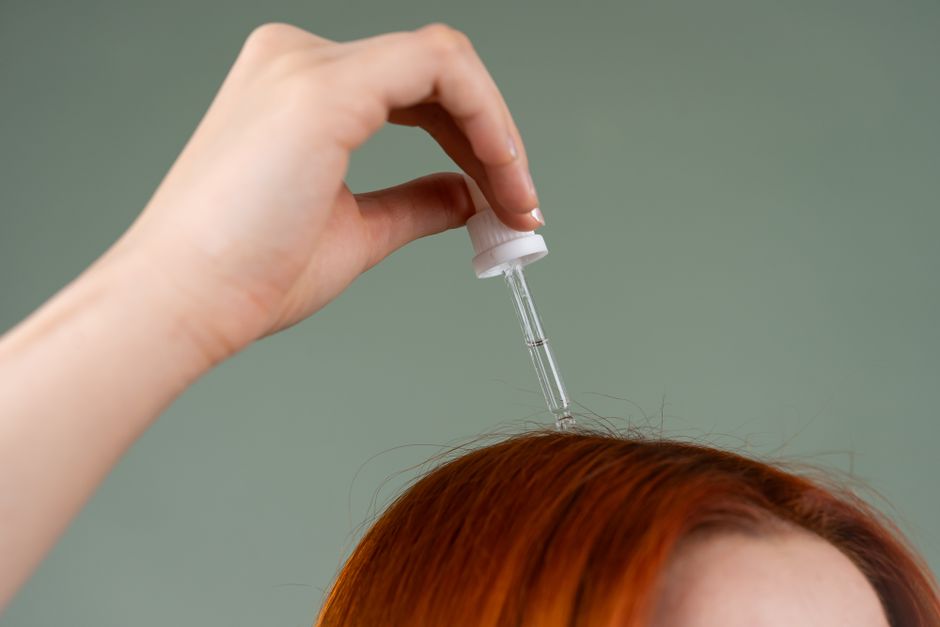
An itchy scalp is your skin telling you something is going on. The itch is a real signal, not a quirk of dry weather or a sign you need a different shampoo. It happens when nerve endings in your scalp get triggered by irritation, inflammation, or a buildup of something on the skin.
Most scalp itching comes down to a handful of causes. The most common is seborrheic dermatitis, a condition that makes the scalp flaky, red, and oily. Dandruff, which is a mild form of the same problem, is next. Other frequent causes include head lice, fungal infections, allergic reactions to hair products, and dry skin.
Understanding which one you have matters because the treatments are different. Scratching harder will not fix any of them.
Why Is Your Head Itching So Badly?
The itch signal starts in nerve fibers just under the skin’s surface. When something irritates those fibers — inflammation, a chemical released by yeast, or a physical irritant like a louse — they fire and send a message to your brain. Your brain interprets that signal as an itch and tells you to scratch.
That is the basic mechanism. What makes it so intense is often inflammation. Inflammatory conditions like seborrheic dermatitis release histamine and other compounds that make nerve endings more sensitive. Once that happens, even light touch can feel itchy.
Scratching gives brief relief because it interrupts the itch signal. But scratching also damages the skin barrier. That damage causes more inflammation, which causes more itching. This is why scalp itching tends to get worse the more you scratch.
Some people have a scalp that is simply more reactive. If you have eczema, psoriasis, or allergies elsewhere on your body, your scalp is more likely to react too. The skin on your scalp is thinner and more sensitive than many people assume.
What Causes an Itchy Scalp Most Often?
Seborrheic dermatitis is the leading cause. It affects the areas of skin with the most oil glands, and the scalp has more oil glands than almost anywhere else on the body. A type of yeast called Malassezia lives on everyone’s scalp. In people with seborrheic dermatitis, the immune system reacts to this yeast, causing redness, flaking, and itching.
Dandruff is a milder version of the same process. The flakes are dead skin cells that shed faster than normal. Dandruff is not caused by poor hygiene, and it is not contagious.
Other common causes include:
- Head lice — tiny insects that live on the scalp and feed on blood. The itching is an allergic reaction to their saliva, which is why it can take weeks to start after infestation.
- Fungal infections — ringworm of the scalp causes itchy, scaly patches and sometimes hair loss.
- Contact dermatitis — a reaction to ingredients in shampoo, hair dye, or styling products.
- Dry scalp — usually from cold weather, overwashing, or harsh products. Flakes are smaller and drier than dandruff.
- Psoriasis — causes thick, silvery scales and intense itching, often extending beyond the hairline.
Each of these looks different and responds to different treatments. A doctor or dermatologist can usually tell them apart by examining the scalp.
Is Dandruff the Same as a Dry Scalp?
No. They look similar but have different causes and need different approaches. Dandruff is driven by oil and yeast. Dry scalp is driven by lack of moisture.
The flakes tell the story. Dandruff flakes tend to be larger, yellowish, and greasy. They stick to the scalp and hair. Dry scalp flakes are smaller, white, and dry. They fall off easily.
This distinction matters because the treatments are opposite in some ways. Anti-dandruff shampoos reduce oil and yeast. If your scalp is actually dry, those same shampoos can make things worse by stripping what little moisture is left.
If you are not sure which one you have, try a gentle, fragrance-free shampoo for a couple of weeks. If the flaking and itching improve, dryness was likely the issue. If nothing changes, it is more likely dandruff or seborrheic dermatitis.





When Should You See a Doctor About an Itchy Scalp?
See a doctor if the itching has lasted more than a few weeks, if you have open sores or signs of infection, or if you notice sudden hair loss. These signs point to something that needs a diagnosis, not just a different shampoo.
You should also get checked if over-the-counter dandruff shampoos have not helped after several weeks of regular use. That suggests the cause is something other than dandruff.
Other reasons to seek medical care:
- Severe itching that disrupts sleep
- Redness, swelling, or warmth that spreads
- Pus or crusting on the scalp
- A rash that spreads to the face, neck, or ears
- Itching that started after a new medication
Head lice and fungal infections need specific treatment. Neither will go away with regular shampoo. A doctor can confirm the diagnosis and prescribe the right medication.
One thing worth knowing: an itchy scalp is rarely a sign of something serious. But it is also not something to ignore for months. Most causes are treatable once you know what you are dealing with.
What Actually Helps an Itchy Scalp?
The right treatment depends on the cause. There is no single product that works for every type of scalp itch. That is why figuring out the cause comes first.
For dandruff and seborrheic dermatitis, medicated shampoos are the main treatment. The active ingredients fall into a few groups:
| Ingredient | How It Works | Common Use |
|---|---|---|
| Zinc pyrithione | Reduces yeast and bacteria | Mild dandruff |
| Ketoconazole | Kills Malassezia yeast | Seborrheic dermatitis |
| Selenium sulfide | Slows skin cell turnover | Dandruff and flaking |
| Salicylic acid | Loosens scales and flakes | Buildup and scaling |
| Coal tar | Slows skin cell growth | Psoriasis and severe dandruff |
Most medicated shampoos need to stay on the scalp for several minutes before rinsing. Many people rinse too quickly, which reduces how well they work. Follow the directions on the label.
If one ingredient does not help after a few weeks, try another from a different group. Some clinicians recommend rotating between two types to prevent the scalp from getting used to one. The evidence for rotation is not strong, but it is a common approach.
For dry scalp, the fix is gentler. Wash less often, use lukewarm water, and choose a mild, fragrance-free shampoo. A moisturizing scalp treatment can help. Avoid products with alcohol, which dries the skin further.
For contact dermatitis, stop using the product that caused it. This can be tricky because reactions sometimes take days to appear. A dermatologist can do patch testing if the cause is not obvious.
For head lice, over-the-counter treatments containing permethrin or pyrethrin are usually effective. Follow the instructions exactly and comb out the nits. Lice treatment fails often because people do not repeat the treatment as directed or miss nits close to the scalp.
Does Scratching Make It Worse?
Yes. Scratching damages the skin barrier and triggers more inflammation, which leads to more itching. This cycle is called the itch-scratch cycle, and it is well documented in dermatology.
The relief from scratching lasts only seconds. The damage can last much longer. Over time, constant scratching can thicken the skin, cause sores, and lead to secondary infections.
If you need to do something about the itch right now, try these instead:
- Apply a cool compress to the scalp
- Use an over-the-counter hydrocortisone cream for short-term relief (not for lice or fungal infections)
- Switch to a fragrance-free shampoo while you figure out the cause
- Keep your nails short to limit damage if you do scratch
Hydrocortisone is not a long-term solution. It can thin the skin if used for too long. It also does not treat the underlying cause. Think of it as a temporary measure while you address the real problem.
Can Stress Make Your Scalp Itch More?
Stress can make existing scalp conditions worse. It does not cause dandruff or lice, but it can increase inflammation and make you more sensitive to itch.
Research on stress and skin conditions has found that psychological stress can trigger flare-ups of conditions like psoriasis, eczema, and seborrheic dermatitis. The exact mechanism is not fully understood, but it involves the body’s stress response and its effect on the immune system and skin barrier.
Stress can also lead to habits that worsen scalp health. People under stress may wash their hair less often, scratch more, or skip treatments. Poor sleep, which often comes with stress, can also affect skin recovery.
Managing stress will not cure an itchy scalp on its own. But if you have a chronic scalp condition, stress management may help reduce how often it flares. This is an area where the evidence is suggestive but not definitive.
What About Natural Remedies?
Some natural ingredients have evidence behind them. Others do not. Tea tree oil has shown some ability to reduce dandruff-causing yeast in small studies. Aloe vera may soothe irritated skin. But neither is a proven replacement for medicated treatment when the cause is seborrheic dermatitis or a fungal infection.
Be careful with essential oils. They can cause allergic contact dermatitis, especially if used undiluted. Some people react to tea tree oil itself. If you try a natural product and your scalp gets worse, stop using it.
No natural remedy has been shown in large human trials to cure scalp psoriasis, head lice, or fungal scalp infections. If you have one of these conditions, you need targeted treatment.
Apple cider vinegar is often mentioned as a scalp remedy. There is no strong evidence it treats dandruff or any scalp condition. It can irritate the skin, especially if used undiluted.
Frequently Asked Questions
Why does my head itch so badly at night?
Itching often feels worse at night because there are fewer distractions and your body’s cortisol levels are lower, which can increase inflammation. Body heat and sweating under blankets can also trigger itch.
Can an itchy scalp cause hair loss?
Itching itself does not cause hair loss, but the conditions behind it can. Scratching hard enough to damage hair follicles, or conditions like scalp ringworm and severe seborrheic dermatitis, may lead to temporary or permanent hair loss.
How long does it take for dandruff shampoo to work?
Most medicated shampoos start reducing flakes and itching within one to two weeks of regular use. If there is no improvement after several weeks of correct use, the cause may not be dandruff.
Is an itchy scalp a sign of a vitamin deficiency?
It can be, but this is uncommon. Deficiencies in iron, zinc, or certain B vitamins have been linked to scalp and skin problems, but most itchy scalps are caused by seborrheic dermatitis, dandruff, or another skin condition rather than a nutrient shortage.
