
You wash your hair in the morning, and by lunchtime it looks flat, shiny, and heavy. It feels like your scalp betrayed you. The truth is, your hair isn’t getting greasy on its own. Your scalp is producing the oil, and a mix of biology and daily habits controls how fast that oil travels down your strands.
Why Is Your Hair Getting Greasy So Fast?
Your scalp contains sebaceous glands that produce sebum, a natural oil. Sebum keeps your scalp and hair moisturized, but when your glands produce too much, your hair looks greasy. The speed at which this happens depends on your hormone levels, your genetics, and how often you wash or touch your hair.
For many people, the greasiness appears within hours of washing. This is often because the scalp is trying to compensate for a stripped moisture barrier. When you wash away all the oil with harsh shampoos, your glands can panic and overproduce to replace what was lost. This creates a cycle where washing more leads to producing more oil faster.
What Causes the Scalp to Overproduce Oil?
Hormones are the main driver of sebum production. Androgens, which are male sex hormones present in everyone, stimulate the sebaceous glands. When androgen levels fluctuate—during the menstrual cycle, puberty, pregnancy, or perimenopause—oil production can spike.
Genetics also play a role. Some people simply have larger or more active sebaceous glands. If your parents had oily scalps, you likely will too. This is not something you can permanently change, but you can manage the output.
Stress is another factor. Cortisol, the stress hormone, can increase sebum production. A study published in the journal Skin Pharmacology and Physiology found that stress increased sebum production in participants. This means that during high-stress weeks, your hair may look greasier faster, even if your routine has not changed.
How Washing Habits Affect Grease Production
Overwashing is a common mistake. If you shampoo every day with a strong cleanser, you strip the scalp of its natural protective barrier. The skin then signals the glands to produce more oil to protect itself. This can leave your hair greasier by the end of the day than if you had washed it less frequently.
Underwashing is also a problem for some. If you go several days without washing, oil and dead skin cells accumulate. This can clog hair follicles and lead to buildup that makes hair look heavy and dull.
The right washing frequency varies by person. Some people need to wash daily, especially if they exercise heavily or live in humid climates. Others can go two to three days. The goal is to find the longest interval that keeps your scalp comfortable and your hair looking clean, without triggering the rebound oil effect.




Hair Products That Make Grease Worse
Conditioners, serums, and styling creams can contribute to greasiness. Many of these products contain oils and silicones that coat the hair shaft. When applied to the scalp or the roots, they add weight and shine that reads as grease.
Apply conditioner only to the mid-lengths and ends of your hair. The scalp produces its own oil, so it does not need additional moisture. The ends of your hair are older, drier, and benefit from conditioning. This simple change can extend the time between washes.
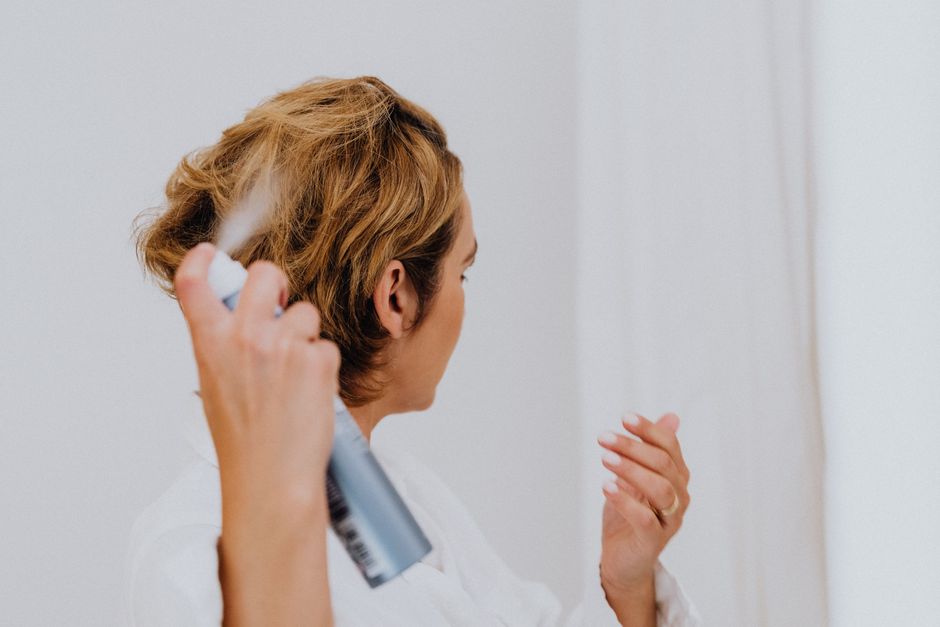
Dry shampoo is a temporary fix, not a solution. It absorbs oil at the root, but it does not remove it. If you use dry shampoo daily, it can mix with sebum and create a paste-like buildup that is harder to wash out. Use it sparingly and wash it out fully when you do shampoo.
How Your Environment and Diet Affect Oil
Humidity makes grease more visible. When the air is moist, the hair shaft absorbs water and swells, which pushes the sebum outward. This makes fine hair look flat and oily much faster than in dry climates.
Diet may play a role, though the evidence is not as strong as many believe. Some research suggests that high-glycemic foods, like white bread and sugary snacks, can increase sebum production. These foods cause a spike in insulin, which may stimulate androgen activity. However, no large clinical trials have confirmed that changing your diet will cure oily hair. The evidence is suggestive, not conclusive.
Dairy is another food group that has been studied. Some studies indicate a link between skim milk consumption and acne, which is related to sebum production. But again, the research is not definitive enough to recommend cutting out dairy for hair health alone.
What Type of Shampoo Should You Use?
Look for shampoos labeled “clarifying” or “for oily hair.” These typically contain stronger surfactants, like sodium lauryl sulfate, that remove excess oil effectively. They are good for occasional deep cleaning but can be too harsh for daily use.
Sulfate-free shampoos are gentler. They cleanse without stripping the scalp completely. For people with oily scalps, a sulfate-free shampoo may not feel clean enough. If that is your experience, alternate between a gentle shampoo and a clarifying one.
Avoid shampoos with heavy moisturizing ingredients like shea butter, coconut oil, or argan oil. These are designed for dry hair and will weigh down oily hair. Check the label and choose products that list water as the first ingredient and do not list oils in the top five ingredients.
Practical Changes That Reduce Grease Between Washes
Brushing your hair distributes oil from the root to the tip. While this can make the ends look healthier, it also drags oil down the shaft, making your hair look greasy faster. If you have oily hair, brush less frequently and clean your brush weekly to remove accumulated oil and product residue.
Touching your hair transfers oil from your hands to your strands. Your hands produce sebum too. If you habitually run your fingers through your hair, you are manually spreading oil from the scalp down the lengths. This habit alone can make hair look greasy hours after washing.
Wearing your hair in a loose ponytail or braid can help. Keeping hair off your face and scalp reduces friction and oil transfer. Tight styles can stress the hair follicle and may cause breakage, so keep it loose.
Consider washing your hair in cooler water. Hot water stimulates the sebaceous glands and can increase oil production. Warm water cleanses effectively without triggering the same response. A final cool rinse may help close the cuticle and reduce the appearance of grease.
When Greasy Hair Signals a Medical Issue
If your scalp suddenly becomes much oilier than usual, it may be worth a conversation with a doctor. Conditions like seborrheic dermatitis cause flaking, redness, and excess oil. This is a common condition that requires specific treatment, not just a different shampoo.
Hormonal disorders, such as polycystic ovary syndrome (PCOS), can also cause a sudden increase in oil production. PCOS often comes with other symptoms like irregular periods, acne, and thinning hair on the scalp. If you notice these together, speak with a healthcare provider.
Certain medications, including some birth control pills and hormone therapies, can alter sebum production. If the change in your hair started shortly after starting a new medication, mention it to your prescribing doctor. Do not stop taking medication without medical advice.
Frequently Asked Questions
Can washing your hair every day make it greasier?
Yes, for some people. Daily washing with strong shampoo strips the scalp, which can trigger the glands to produce more oil to compensate.
Does dry shampoo stop your hair from getting greasy?
No, dry shampoo only absorbs oil temporarily. It does not remove the oil, and daily use can cause buildup that makes hair look worse.
Is greasy hair a sign of a health problem?
Usually not, but a sudden and dramatic increase in oil can be linked to hormonal changes or conditions like seborrheic dermatitis. If other symptoms appear, check with a doctor.
Why does my hair get greasy within hours of washing?
This often happens when the scalp has been stripped of its natural moisture. The glands overproduce sebum to protect the skin, creating a fast rebound effect.
