
Bright green stool is almost always caused by one of two things: either you ate something with a lot of green food coloring or chlorophyll, or your stool moved through your intestines faster than normal and never finished turning brown. Brown is not the natural color of waste. It is the color bile becomes after bacteria in your colon finish processing it. Anything that interrupts that process, or adds a strong green pigment on top of it, can turn your stool green.
That is the short answer. The longer answer depends on how long it has been going on, whether you feel sick, and what else has changed in your diet, medications, or bathroom habits. Most cases are harmless and resolve within a day or two. A smaller number point to something worth checking with a doctor.
Why Is Your Feces Bright Green?
Stool color comes from bile, a yellow-green fluid your liver makes to help digest fat. Bile starts out green, then shifts to brown as it travels through your colon and gut bacteria break it down. Green stool means one of two things is happening: the bile did not spend enough time in your colon to turn brown, or something green was added to your stool along the way.
Fast transit is the most common reason. When food moves through your digestive tract quickly, there is less time for bacteria to convert that green bile into brown. The result is stool that looks green, often bright green.
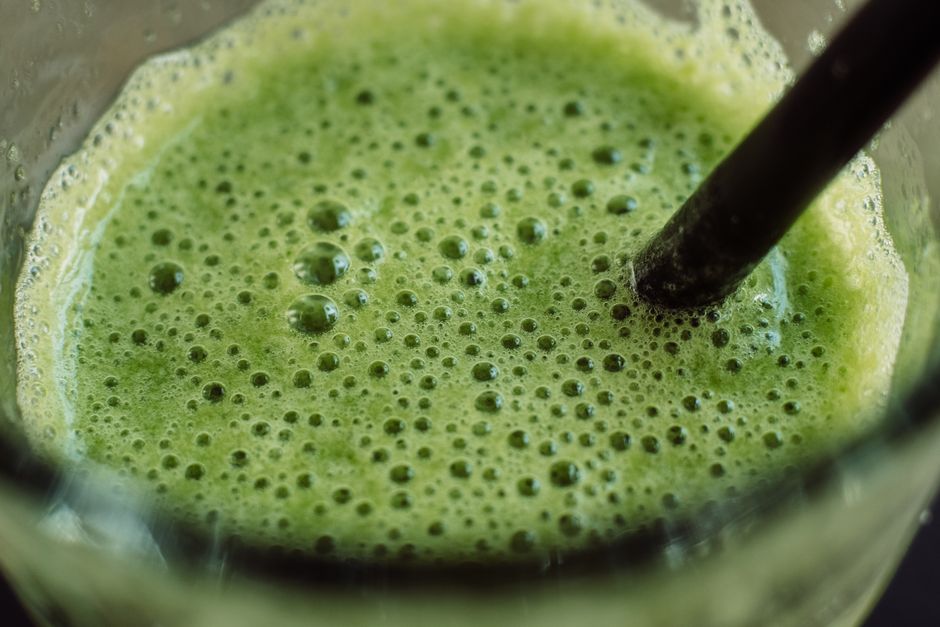
Adding green pigment is the other reason. Artificial green food coloring is strong enough to survive digestion and show up in your stool. So is chlorophyll, the green pigment in plants. A large serving of spinach, kale, or a green smoothie can do it.
What green stool is not is a sign that your liver is failing or that you have some rare disease. Those conditions exist, but they are uncommon causes. Diet and transit speed explain the large majority of cases.
What Foods and Drinks Turn Stool Green?
Anything with heavy green food dye is a likely culprit. That includes lime-flavored gelatin, green sports drinks, green frosting, some popsicles, and certain candies. Food dye is designed to be stable, and it can pass through your digestive system largely intact.
Leafy greens and other chlorophyll-rich foods can also do it. Spinach, kale, Swiss chard, collard greens, and spirulina or chlorella supplements all contain chlorophyll. Eating a large amount of any of these in one sitting can tint your stool green.
Other foods and supplements sometimes linked to green stool include:
- Matcha and wheatgrass powder
- Blueberries, black licorice, and some dark purple foods (which can look green or black in stool)
- Iron supplements, which often turn stool dark green or black
- Some herbal or “detox” powders that contain green algae or grass blends
The timing matters. Food dye and chlorophyll typically show up in stool within a day or so of eating them. If you can trace your green stool back to something you ate, that is usually the whole explanation.
When Does Fast Digestion Cause Green Stool?
Diarrhea is the most common non-food cause of green stool. When your intestines move contents through quickly, bile does not have time to turn brown. The faster the transit, the greener the stool tends to look.
Several things can speed up transit:
- A stomach bug or foodborne infection
- Food poisoning
- Lactose intolerance or another food intolerance
- Irritable bowel syndrome with diarrhea
- Certain medications, including some antibiotics and laxatives
- Crohn’s disease or ulcerative colitis during a flare
- Anxiety or stress affecting gut motility
Antibiotics deserve their own mention. They can cause green stool in two ways. Some directly change how gut bacteria process bile, and many cause diarrhea that speeds up transit. Both effects can happen at once.
If your green stool comes with diarrhea, cramping, or urgency, the color is likely a side effect of the fast transit, not a separate problem. Treating the underlying cause is what matters.




Can Green Stool Be a Sign of Something Serious?
Green stool by itself is rarely a sign of something serious. The color alone does not tell you much. What matters more is what comes with it.
There are a few situations where green stool is worth a closer look. One is a blockage or narrowing in the bile ducts. If bile cannot flow normally from your liver to your intestine, it can back up, and the bile that does reach your gut may behave differently. This is uncommon and usually comes with other signs like jaundice, pale stool, dark urine, or pain.
Another is a condition that speeds up transit so much that bile never gets processed, such as a severe intestinal infection or an inflammatory bowel disease flare. Again, the color is not the main issue. The diarrhea, pain, fever, or blood in the stool is.
Parasitic infections and certain bacterial infections can also cause green, watery stool. These are diagnosed by testing, not by color. If you have persistent diarrhea, fever, or you have traveled somewhere with poor sanitation, that is worth a medical visit.
The honest position: green stool on its own, without other symptoms, is not a red flag. Green stool with diarrhea lasting more than a few days, fever, blood, severe pain, or signs of dehydration is worth getting checked.
What Does It Mean If Your Stool Is Green and You Have Other Symptoms?
The combination of symptoms is more informative than the color. Here is how to think about common pairings.
Green stool with diarrhea. This is the most common pairing and usually means fast transit. It often follows a stomach bug, food poisoning, or a reaction to something you ate. It usually settles within a few days.
Green stool with cramping or bloating. This can point to a food intolerance, irritable bowel syndrome, or a temporary gut upset. It is not specific to any one condition.
Green stool with fever. This suggests an infection. Most are short-lived, but a fever with bloody diarrhea or severe pain needs medical attention.
Green stool with weight loss or ongoing changes in bowel habits. This is the pattern worth raising with a doctor, especially if it lasts more than a few weeks. It does not mean cancer, but persistent changes in bowel habits are a standard reason to get evaluated.
Green stool with pale skin or yellow eyes. This can suggest a bile flow problem and should be checked promptly.
Should You Worry About Green Stool?
Most people do not need to worry about green stool. If it showed up once or twice, you feel fine, and you can connect it to something you ate or a short bout of diarrhea, there is usually nothing to do but wait.
Green stool is one of the least specific changes you can see in the toilet. It is a color, not a diagnosis. Doctors do not treat green stool. They treat the cause behind it, if there is one.
Things that do warrant a call to your doctor:
- Green stool lasting more than a few days without an obvious cause
- Diarrhea lasting more than two days in an adult
- Blood in your stool, or black tarry stool
- Severe or worsening belly pain
- Fever with diarrhea
- Signs of dehydration, like dizziness, dry mouth, or little urine
- Yellowing of your skin or eyes
- Unintentional weight loss
If none of those apply, the most useful thing you can do is look back at what you ate and drank over the past day or two. In most cases, the answer is there.
Frequently Asked Questions
Is bright green poop dangerous?
No, bright green poop is usually harmless and most often caused by food dye, leafy greens, or fast digestion. It only becomes a concern when it comes with fever, blood, severe pain, or lasts more than a few days.
What is the most common cause of green stool?
The most common cause is something you ate, especially food with green dye or a large amount of chlorophyll-rich greens. Diarrhea and other causes of fast transit are the next most common reason.
Can green stool mean I have a parasite?
Some intestinal infections, including certain parasites, can cause green watery stool, but color alone cannot identify the cause. Diagnosis requires stool testing by a doctor.
How long does green stool last?
Green stool from food or dye usually clears within a day or two once you stop eating the cause. Green stool from diarrhea typically resolves as the diarrhea does, often within a few days.
