
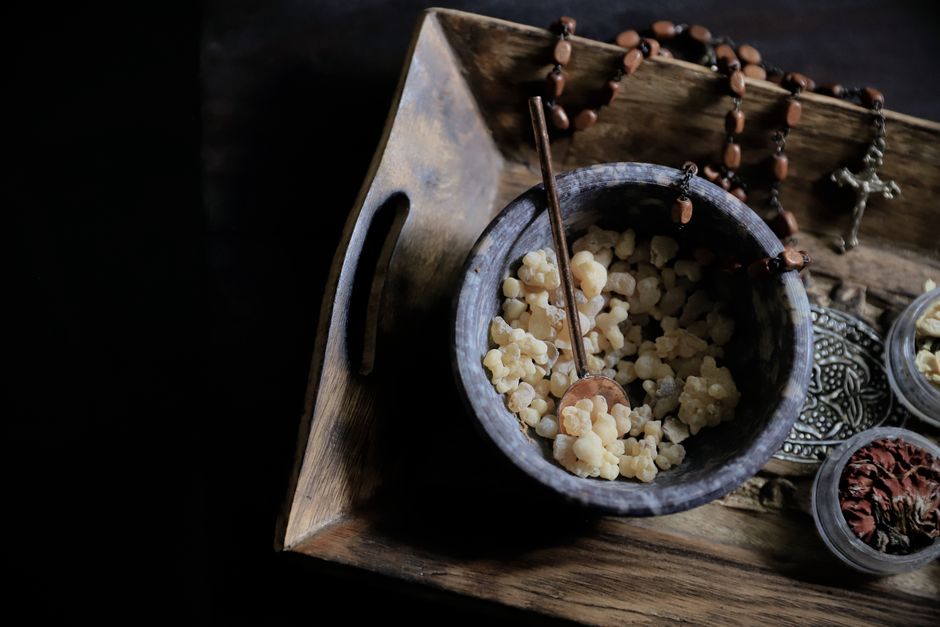
Frankincense is an ancient resin with a long history of use in traditional medicine, and modern research is now examining whether those traditional uses hold up to scientific scrutiny. The resin comes from trees in the genus Boswellia, and early evidence suggests it may help with inflammation, joint pain, and certain digestive issues, though human studies are still limited. While it is not a cure for any condition, frankincense shows genuine promise in specific areas, and understanding what it can and cannot do helps you make an informed choice.
What Is Frankincense and How Does It Work?
Frankincense is a sticky sap harvested from Boswellia trees, which grow mainly in parts of Africa, India, and the Middle East. When the sap dries, it forms resin lumps that can be burned as incense, used in skincare, or processed into supplements. The active compounds in frankincense are called boswellic acids, and these are the components most studied for health effects.
Boswellic acids appear to work by influencing the body’s inflammatory response. They have been shown in laboratory studies to block an enzyme called 5-lipoxygenase (5-LOX), which is involved in producing inflammatory molecules. This mechanism is different from many conventional anti-inflammatory drugs, which target different pathways. That difference matters because it may mean fewer side effects for some people, although this has not been fully proven in large human trials.
The resin also contains other compounds with antioxidant properties. Antioxidants help neutralize free radicals, which are unstable molecules that can damage cells over time. This is a plausible explanation for some of the traditional uses, but antioxidant activity alone does not translate directly into clinical benefit.
What Is Frankincense Good For?
The strongest evidence for frankincense relates to inflammatory conditions, particularly osteoarthritis and rheumatoid arthritis. Some clinical trials have found that extracts of Boswellia serrata, a common species used in supplements, can reduce pain and improve joint function in people with osteoarthritis. The effect appears modest but real, and it often takes several weeks of daily use before benefits become noticeable.
Research published in the journal Phytomedicine and other peer-reviewed sources has examined Boswellia for arthritis with generally positive results. However, study quality varies, and not all trials have been large or well-controlled. Some studies suggest it works as well as certain non-steroidal anti-inflammatory drugs (NSAIDs) for pain relief, but this comparison is not firmly established across all trials.
Frankincense is also being studied for inflammatory bowel conditions like ulcerative colitis and Crohn’s disease. Some small trials have shown symptom improvement, but the evidence is not strong enough to recommend it as a treatment. It should never replace standard medical care for these serious conditions.
Beyond these areas, frankincense is sometimes used for asthma, skin conditions, and oral health. The evidence for these uses is weaker, and more research is needed before any firm conclusions can be drawn.
Joint Health and Arthritis: What the Research Shows
Osteoarthritis is the most studied condition for frankincense supplementation. This condition involves the breakdown of cartilage in joints, leading to pain and stiffness. The inflammatory pathway that boswellic acids target is active in osteoarthritis, which provides a biological basis for why the resin might help.
Several randomized controlled trials have compared Boswellia extract to placebo in people with knee osteoarthritis. Many of these trials reported reduced pain, improved knee function, and less stiffness after 30 to 90 days of use. Some trials also found that frankincense allowed people to reduce their use of conventional painkillers. This is a meaningful outcome, as long-term NSAID use carries risks to the stomach, kidneys, and heart.
However, there are important limitations. Trial sizes are often small, and the preparations used vary between studies. Some used a standardized extract called Aflapin, while others used different Boswellia products. This makes it hard to compare results directly. The overall direction of the evidence is positive, but it is not definitive.
For rheumatoid arthritis, an autoimmune condition, the evidence is thinner. Some early studies suggest anti-inflammatory effects, but no large trial has confirmed that frankincense modifies the disease course. People with rheumatoid arthritis should continue their prescribed medications and discuss any supplement use with their rheumatologist.





Digestive Health and Inflammatory Bowel Disease
Inflammatory bowel disease (IBD) includes ulcerative colitis and Crohn’s disease, both marked by chronic inflammation of the digestive tract. Because boswellic acids reduce inflammation, researchers have investigated whether frankincense could help manage these conditions.
A few small clinical trials have shown that a specific Boswellia extract called H15 reduced symptoms in people with ulcerative colitis. Some participants achieved remission during the study period. These results are promising but come from small studies with short durations. No large, long-term trial has confirmed that frankincense is as effective as standard IBD medications like mesalamine or biologics.
Frankincense is not a substitute for IBD treatment. If you have IBD and are considering frankincense, talk to your gastroenterologist first. It may have a role as an adjunct therapy, but that role has not been clearly defined by research.
The resin has also been studied for general digestive complaints like indigestion and bloating. Evidence here is largely anecdotal, and no clinical guidelines recommend frankincense for these issues.
Frankincense Oil, Incense, and Skin Use
Frankincense essential oil is popular in aromatherapy and skincare. When inhaled, the oil may promote relaxation, and some small studies suggest it can reduce stress and anxiety. These effects are likely related to the scent and the act of deep breathing rather than any direct chemical action on the brain.
Burning frankincense resin as incense has been practiced for thousands of years in religious and cultural ceremonies. Some research has examined whether the smoke has antibacterial properties in the air. While laboratory studies show some antimicrobial activity, this does not mean burning incense protects you from infection. In fact, burning any material produces smoke particles that can irritate the lungs, especially for people with asthma or respiratory conditions.
For skin, frankincense oil is sometimes diluted and applied topically for signs of aging or minor wounds. Some lab studies show the oil has anti-inflammatory and antimicrobial effects on skin cells. But there is no clinical evidence that frankincense oil reverses wrinkles or heals wounds faster than standard care. Always dilute essential oils in a carrier oil before applying to skin, as undiluted oils can cause irritation or allergic reactions.
Potential Risks and Side Effects
Frankincense supplements are generally well tolerated when taken at recommended doses for short periods. The most common side effects are mild digestive issues like nausea, stomach pain, and diarrhea. These are usually temporary and resolve when the supplement is stopped.
More serious concerns exist for certain groups. Pregnant women should avoid frankincense supplements because the resin has been used traditionally to stimulate menstruation, and its effects on pregnancy are not well studied. No clinical guidelines exist for this population, and the risk cannot be ruled out. Breastfeeding women should also err on the side of caution due to a lack of safety data.
Frankincense can interact with medications. Because it affects inflammatory pathways, it may interact with blood thinners like warfarin. Some case reports suggest it can increase the risk of bleeding. It may also interact with NSAIDs, though the combination is not necessarily dangerous. Always tell your doctor about any supplements you take, especially if you are on prescription medication.
The quality of frankincense supplements varies widely. The FDA does not regulate supplements as strictly as prescription drugs, so the amount of active ingredient in a product may not match the label. Look for products that specify the boswellic acid content, typically standardized to 60-70%, and choose brands that test their products by a third party.
How to Choose and Use Frankincense
If you decide to try frankincense, the supplement form is the most studied for internal use. Capsules containing Boswellia serrata extract are the most common. The typical dose used in clinical trials ranges from 300 to 500 mg taken two to three times daily, but you should follow the dosing instructions on the product you purchase. No official guideline establishes a universal dose.
For joint pain, give it time. Clinical trials that showed benefit generally ran for at least 30 days. Do not expect immediate relief. If you notice no change after two to three months, the supplement is probably not helping you.
Frankincense oil is for topical or aromatic use only. It is not meant to be swallowed. When using it on the skin, always dilute it in a carrier oil like jojoba or coconut oil. A typical dilution is 3-5 drops of essential oil per tablespoon of carrier oil.
If you have a chronic condition, are pregnant, or take prescription medications, speak with your healthcare provider before starting frankincense. This is not a suggestion — it is a necessary step to avoid potential interactions.
Frequently Asked Questions
Can frankincense help with arthritis pain?
Some clinical trials show that Boswellia extract can reduce pain and improve joint function in people with osteoarthritis. The effect is modest and typically appears after several weeks of daily use.
Is frankincense safe to take every day?
Frankincense supplements are generally well tolerated at recommended doses for short periods, with mild digestive side effects possible. Long-term safety beyond several months has not been well studied.
Does frankincense interact with medications?
Frankincense may interact with blood thinners like warfarin and could increase bleeding risk. Tell your doctor about any supplements you take, especially if you are on prescription medication.
Can I use frankincense oil on my skin?
Yes, but always dilute frankincense essential oil in a carrier oil before applying to skin. Undiluted oil can cause irritation or allergic reactions in some people.
